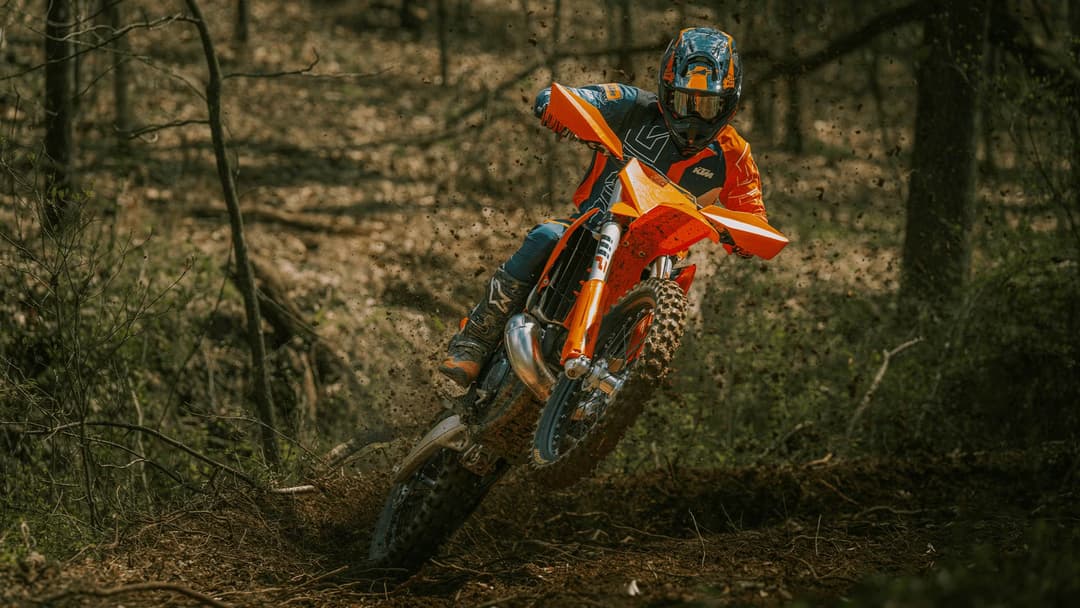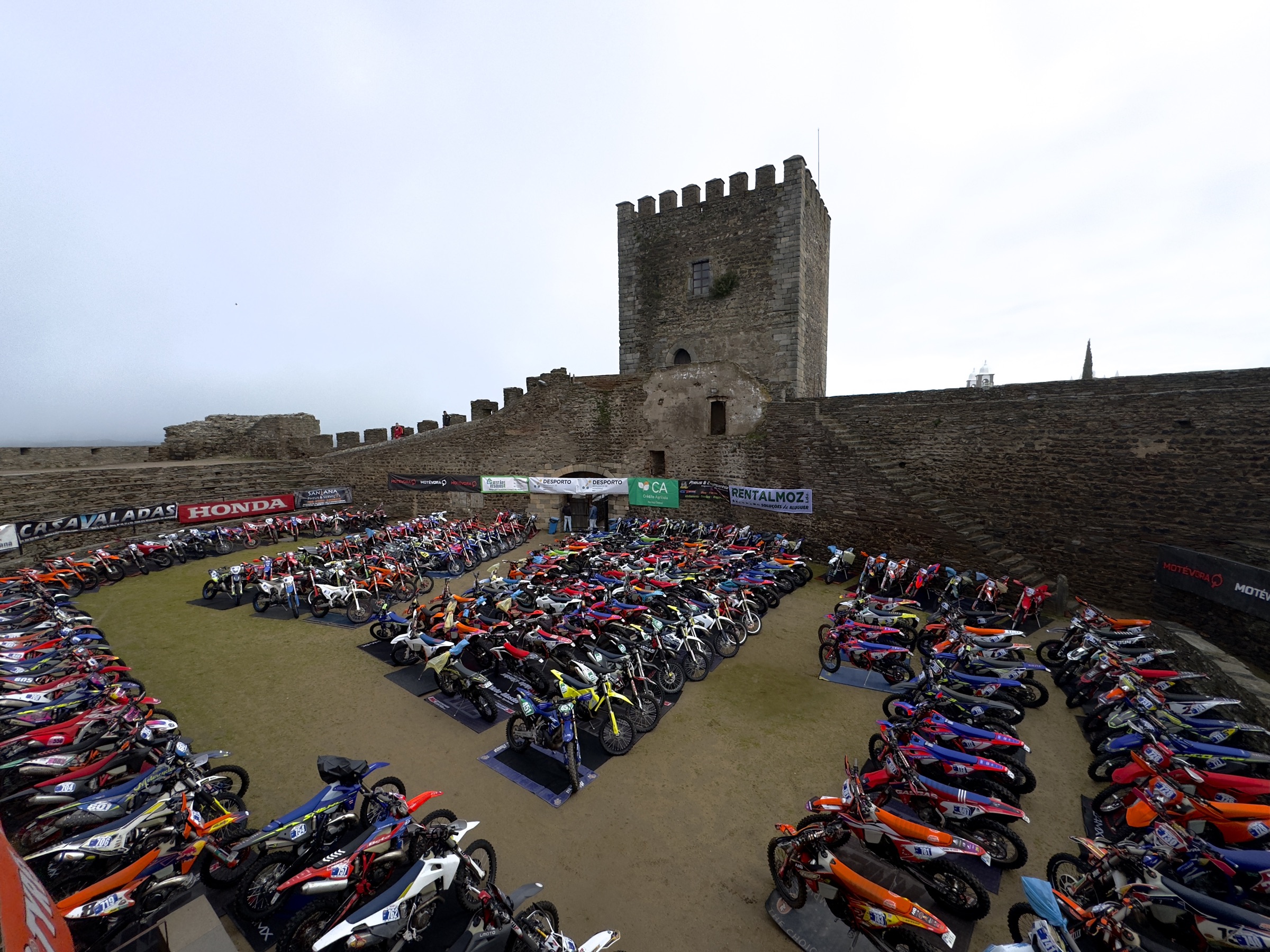
This page is the path from "I want to try enduro" to riding with confidence. It covers the bike, the kit, where you can ride, how to learn, who to ride with, and what it costs. If you want to race, it covers that too. Every price and rule below comes from a published source: a maker, a club, a governing body or a government. The sources are listed at the end, each with the date we checked it. Where it's our own view, we say so.
The short version
- Bike: a 250 or 300 two-stroke, or a 250 or 350 four-stroke enduro bike, suits most adult beginners. Pick one you can lift, push and control when you're tired.
- Kit before parts: helmet and boots first, then knee protection, then chest and back protection, gloves and goggles. Buy these before any performance parts.
- Where: only where motorbikes are allowed. That means byways, permitted trails, enduro parks and club events. The rules change by country.
- Learning: start on flat, open ground. Clutch, throttle, brakes and standing position come first.
- Who with: friends. Most riders we know don't race. A club helps you find people and places to ride.
- Racing, if you want it: get the licence or membership your country needs, and enter the easiest class.
- Cost: the bike and kit are the main costs. Racing adds a licence or membership and entry fees. The costs table below gives UK, US and Portugal figures.
What enduro is, in one minute
As a sport, enduro is off-road racing over a long course, against the clock. The UK's Auto-Cycle Union (ACU) describes the original format, the time card enduro. Each rider gets "a set time to ride between the start and time control A", with "time penalties incurred for any minutes lost". Timed "special tests" decide most results, and riders are "timed to the nearest thousandth of second".
Hard enduro is the slow, steep, rocky branch. Cross-country and hare and hounds races are run as laps or loops. Our guide to what enduro is explains the formats. What is an enduro motorcycle? explains the bikes.
The best enduro bike for beginners
There is no single best bike. There is a best bike for your weight, height, budget and riding. Here is how to narrow it down.
What a beginner bike needs
- Smooth, easy power. You'll spend your first year riding slowly. A bike that pulls cleanly at low revs is easier than one that only works when revved.
- Low enough weight to pick up. You will drop it, often. In our experience, enduro bikes are built light and tough for exactly that: they're made to be dropped and to take a beating, and most riders over about 50 kg can pick one up once they learn how. If you can't lift yours on a slope, you'll wear yourself out.
- Suspension set for your weight. KTM's 2027 300 EXC manual says the bike is set up for a rider of "75 kg … 85 kg" in full kit. Outside that range, the suspension settings must be adjusted. Small differences can be taken up with spring preload. For large ones, "the springs must be replaced". The bike setup lesson explains sag.
- Electric start. You'll stall on climbs. Restarting with a button is far easier than kicking a bike on a slope.
Our advice rests on what makes slow riding easy, and on the makers' service schedules below. It matches our beginner bike and gear guide. A 125 two-stroke is lighter and gentler for smaller or younger riders. A 450 is more bike than a beginner needs.
Two-stroke or four-stroke
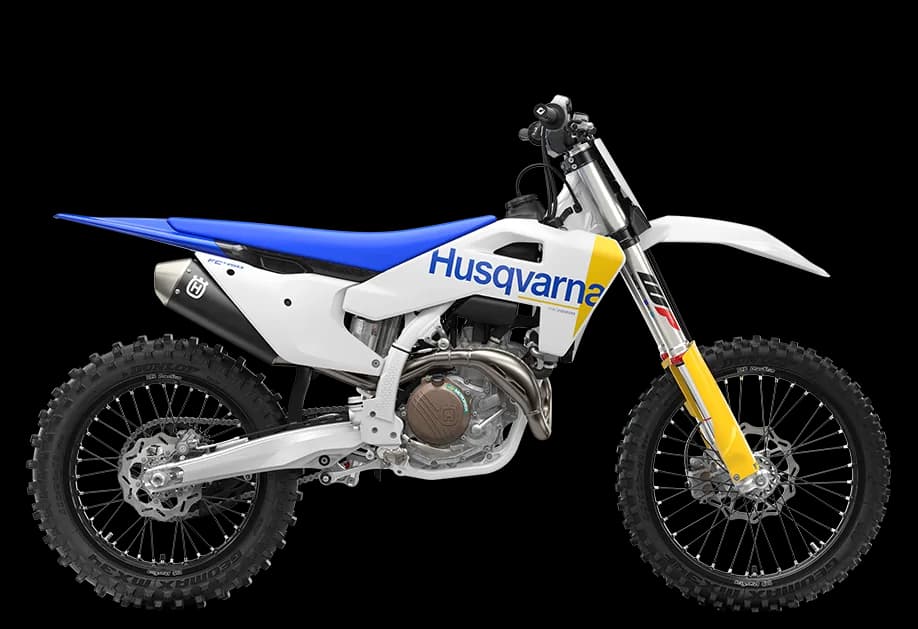
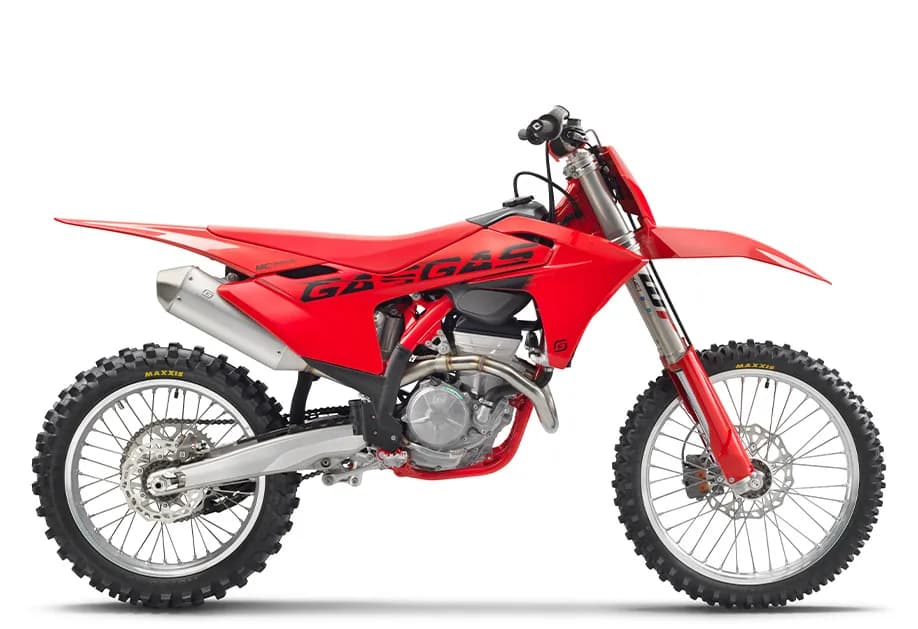
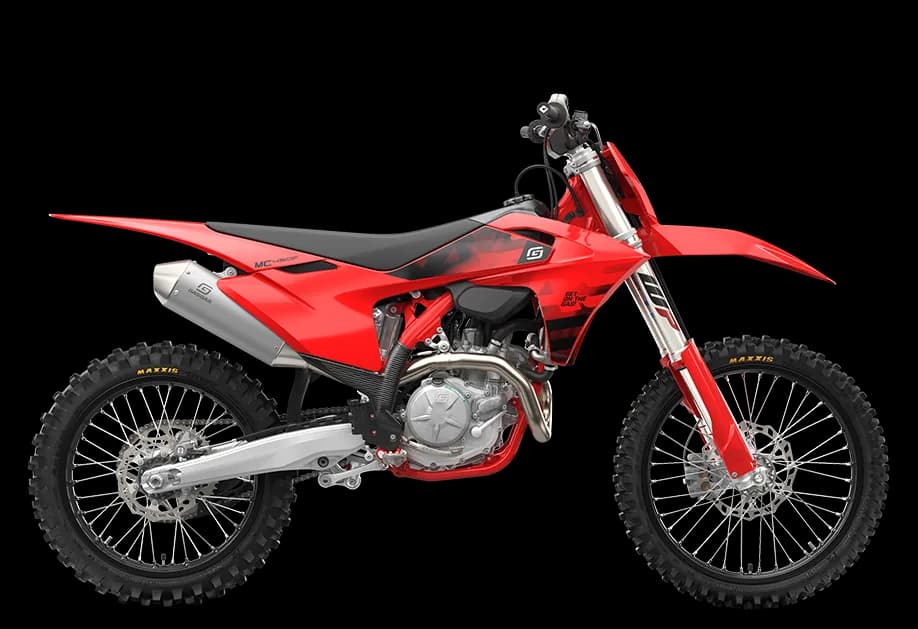
Both work. The difference a beginner feels most is the workshop time. KTM, Husqvarna and GASGAS publish the same service schedule for each engine type in their 2027 owner's manuals:
| Job | 300 two-stroke (KTM 300 EXC, Husqvarna TE 300, GASGAS EC 300) | 350 four-stroke enduro (KTM 350 EXC-F, Husqvarna FE 350, GASGAS EC 350F) |
|---|---|---|
| Engine or gearbox oil | Gearbox oil every 45 hours | Engine oil and filter every 15 hours |
| Air filter | Clean every 15 hours | Clean every 15 hours |
| Piston | Every 45 hours; KTM and Husqvarna say every 10 hours on sand | In the engine service at 90 hours |
| Valve clearance | No valves | Check every 45 hours |
| Fork and shock service | Every 45 hours | Every 45 hours |
The two-stroke is simpler, with no valves to check. It needs a top end more often. The four-stroke needs oil more often, but goes longer between engine services. The bike setup lesson has the schedules for KTM, Husqvarna, GASGAS, Beta, Sherco and Yamaha.
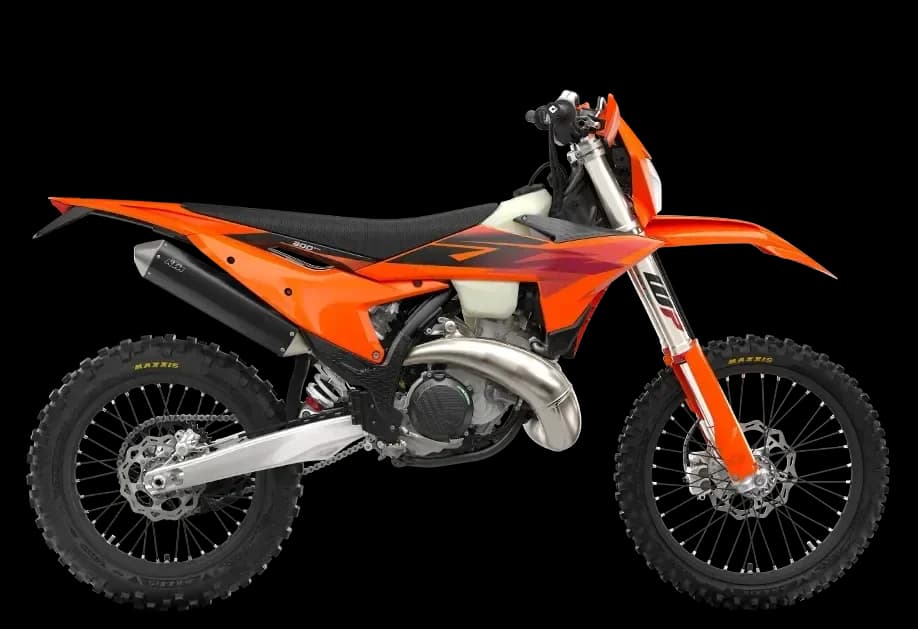
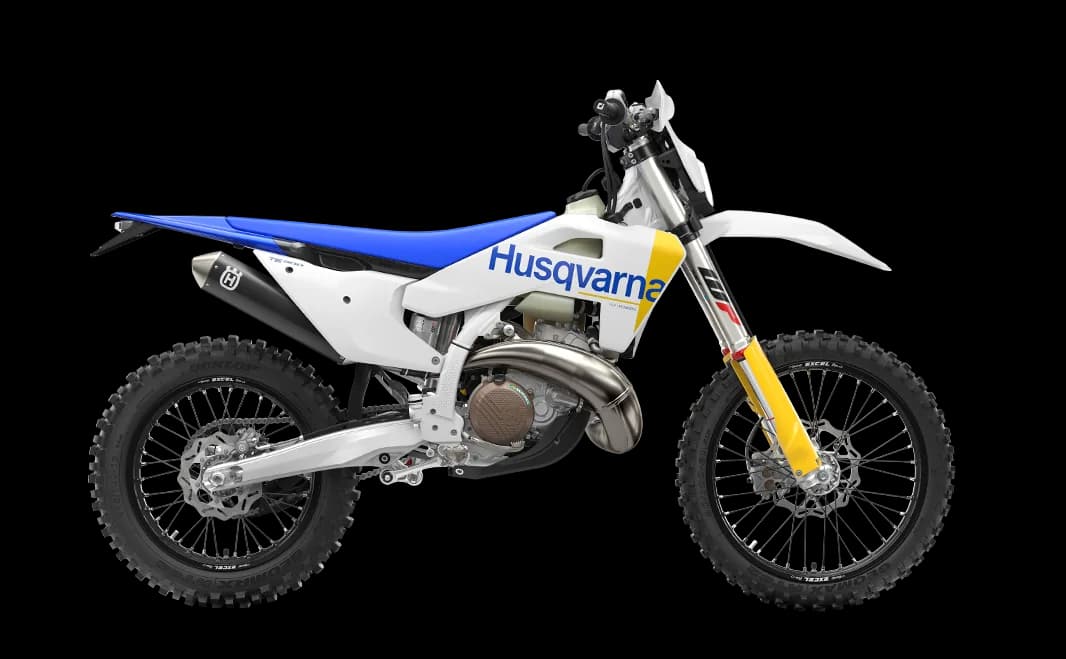
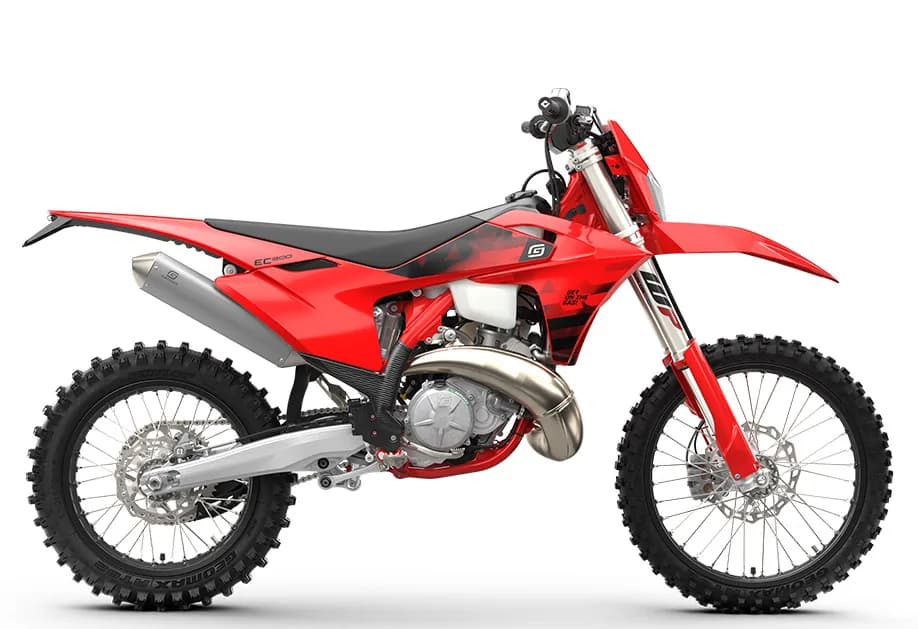
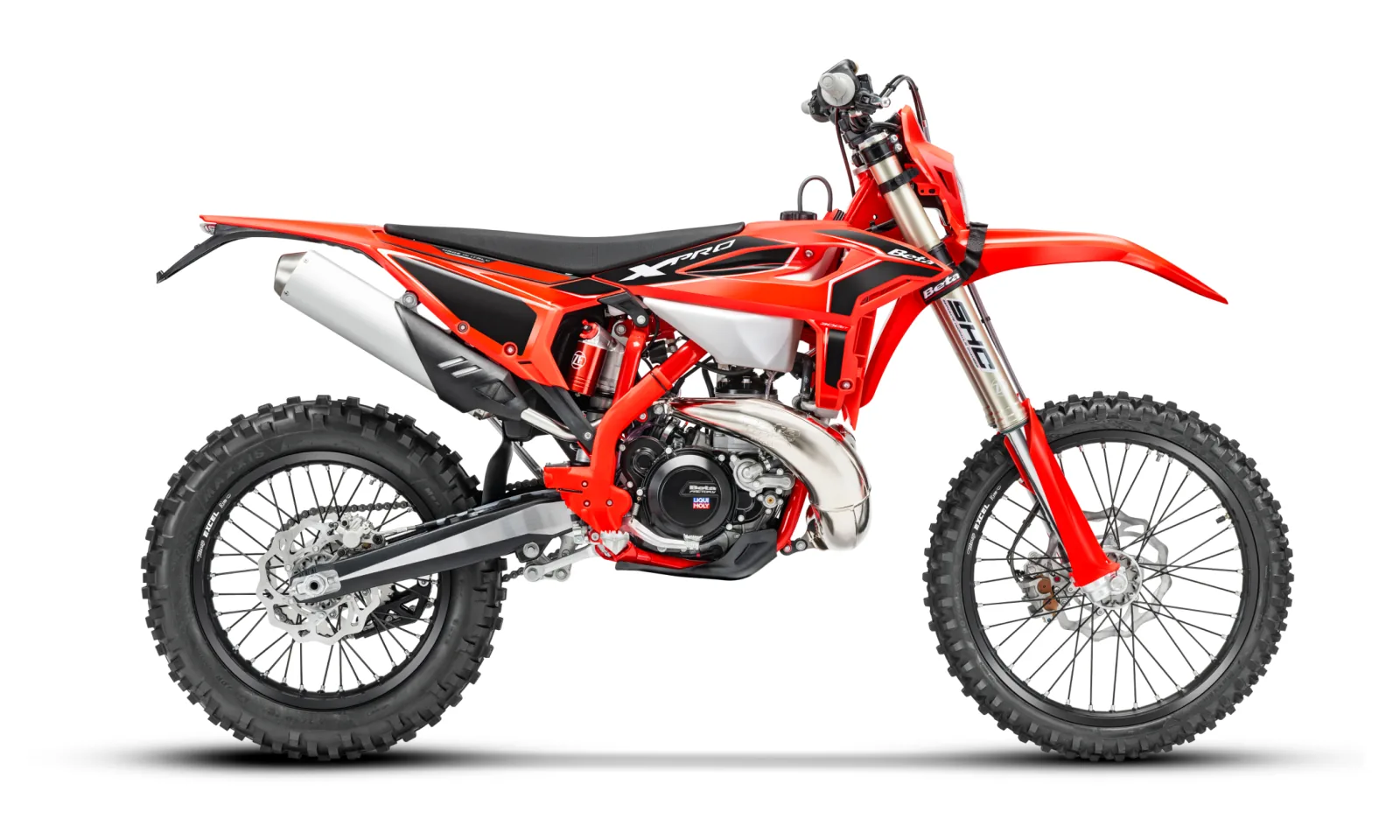
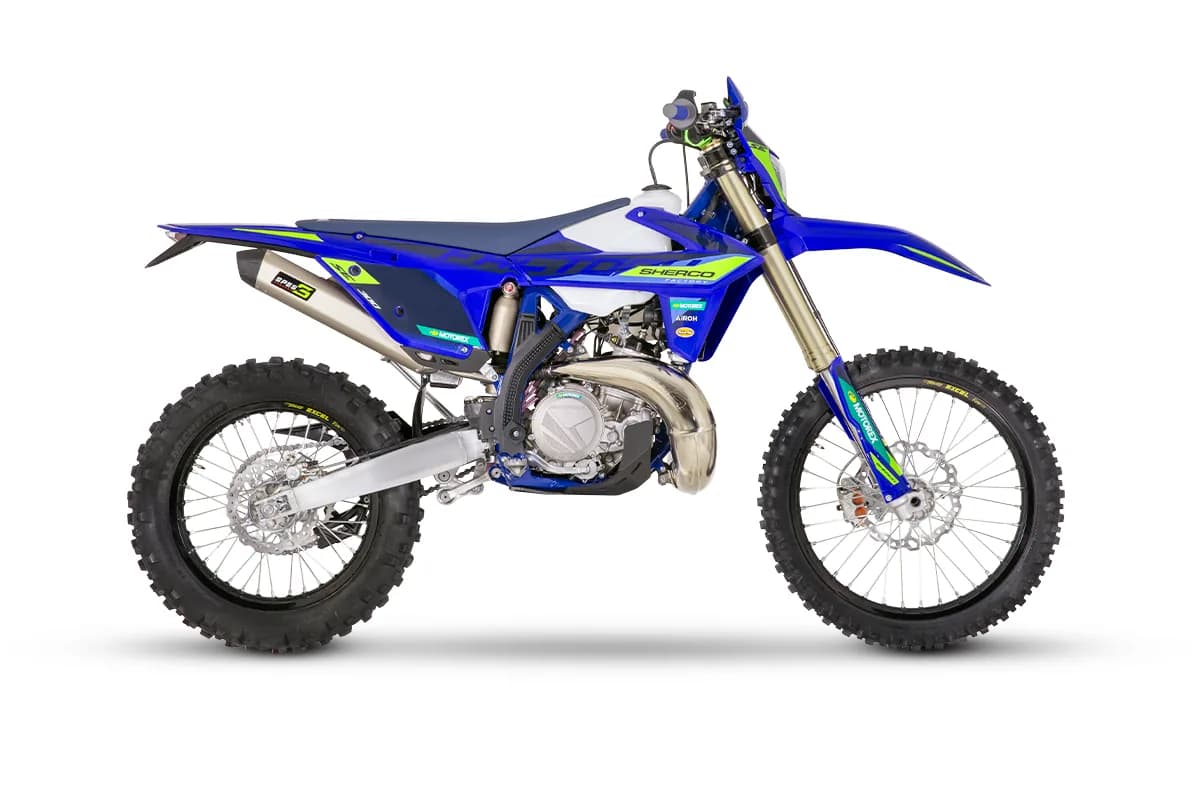
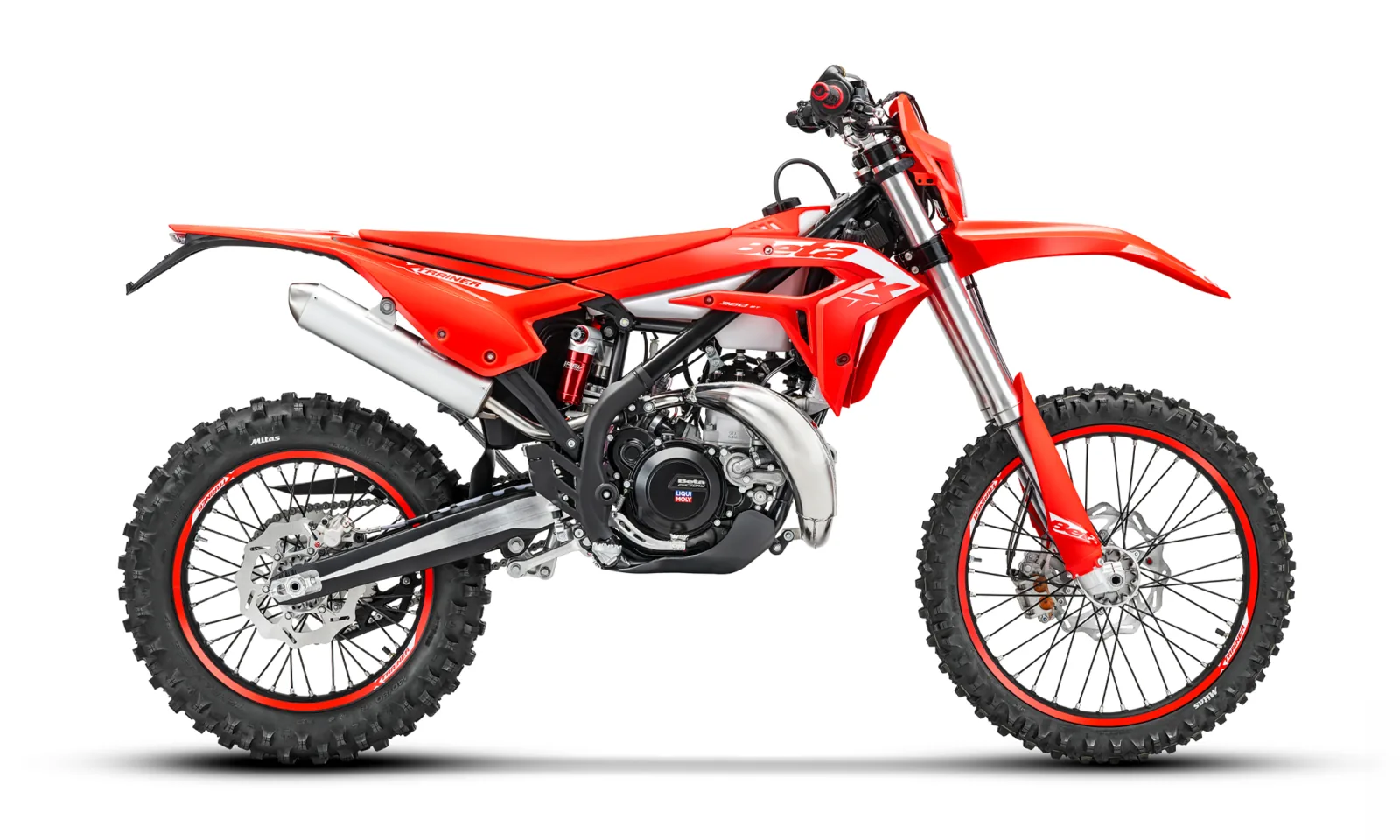
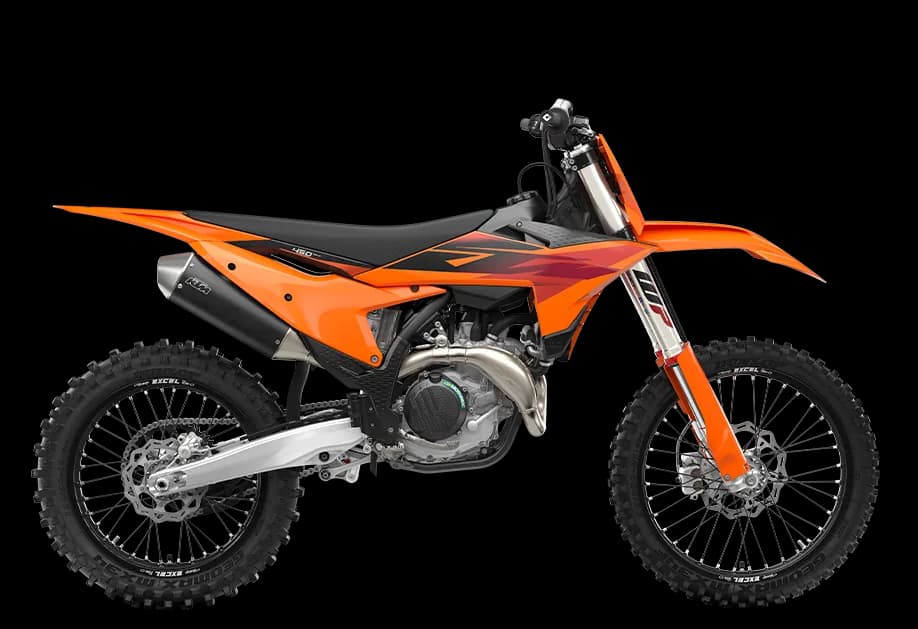
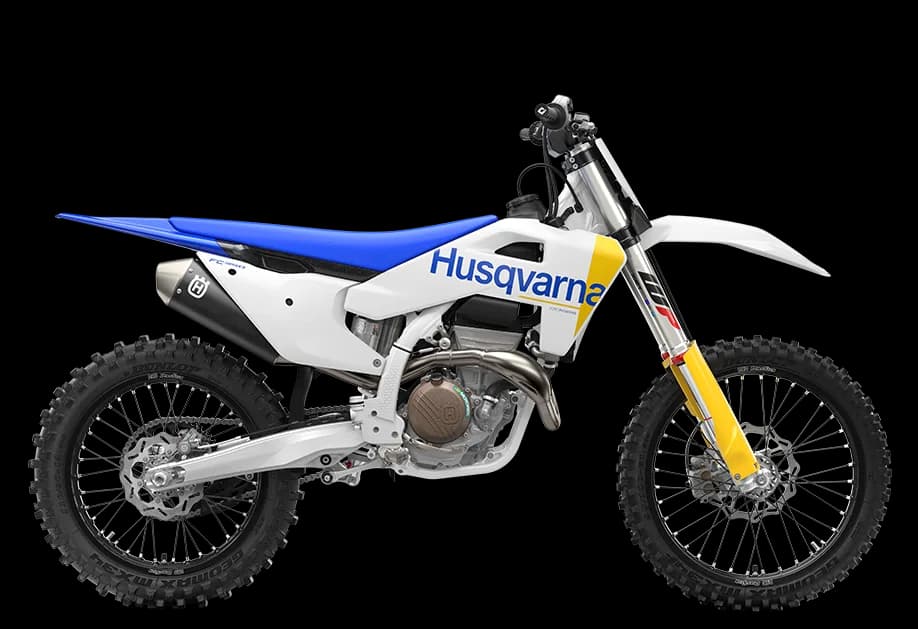
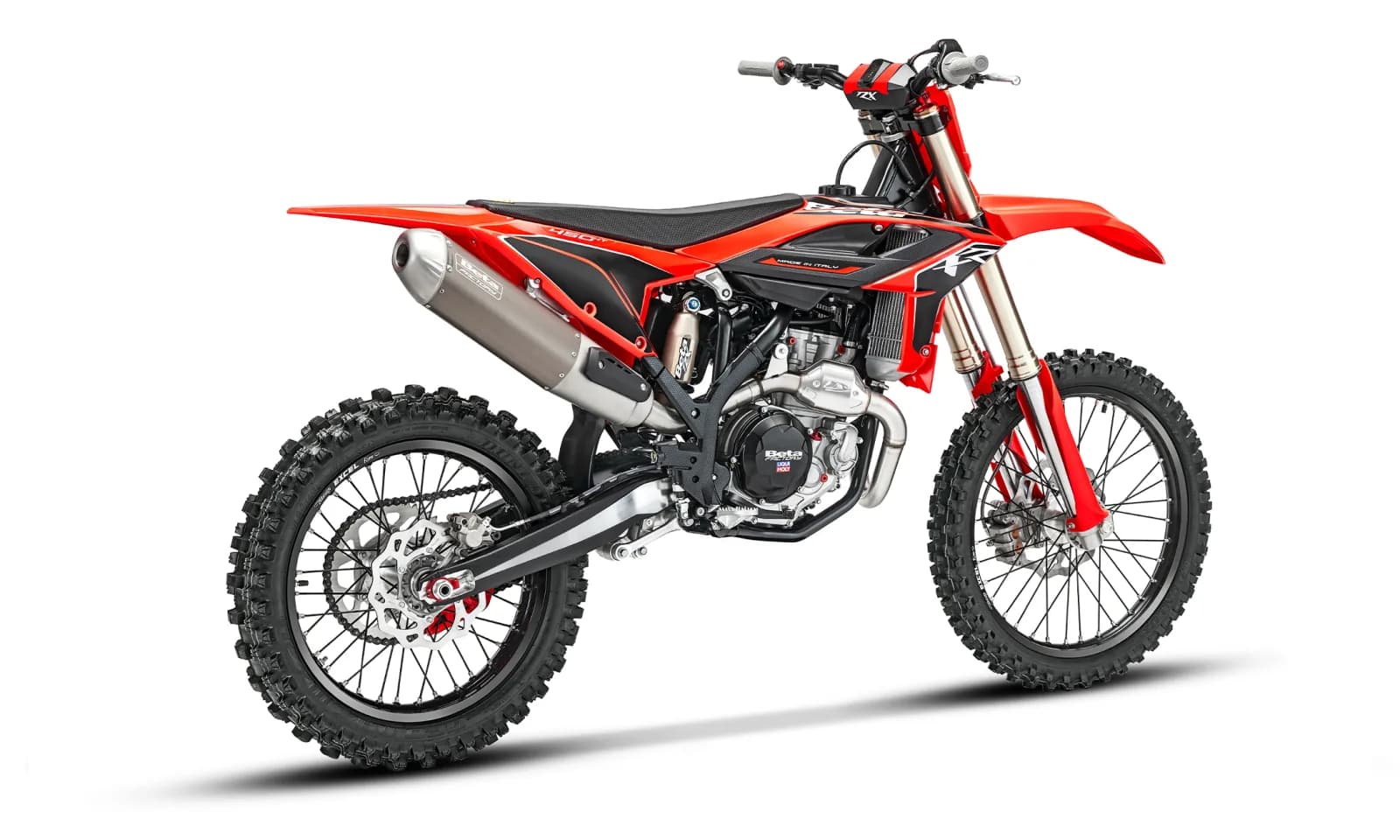
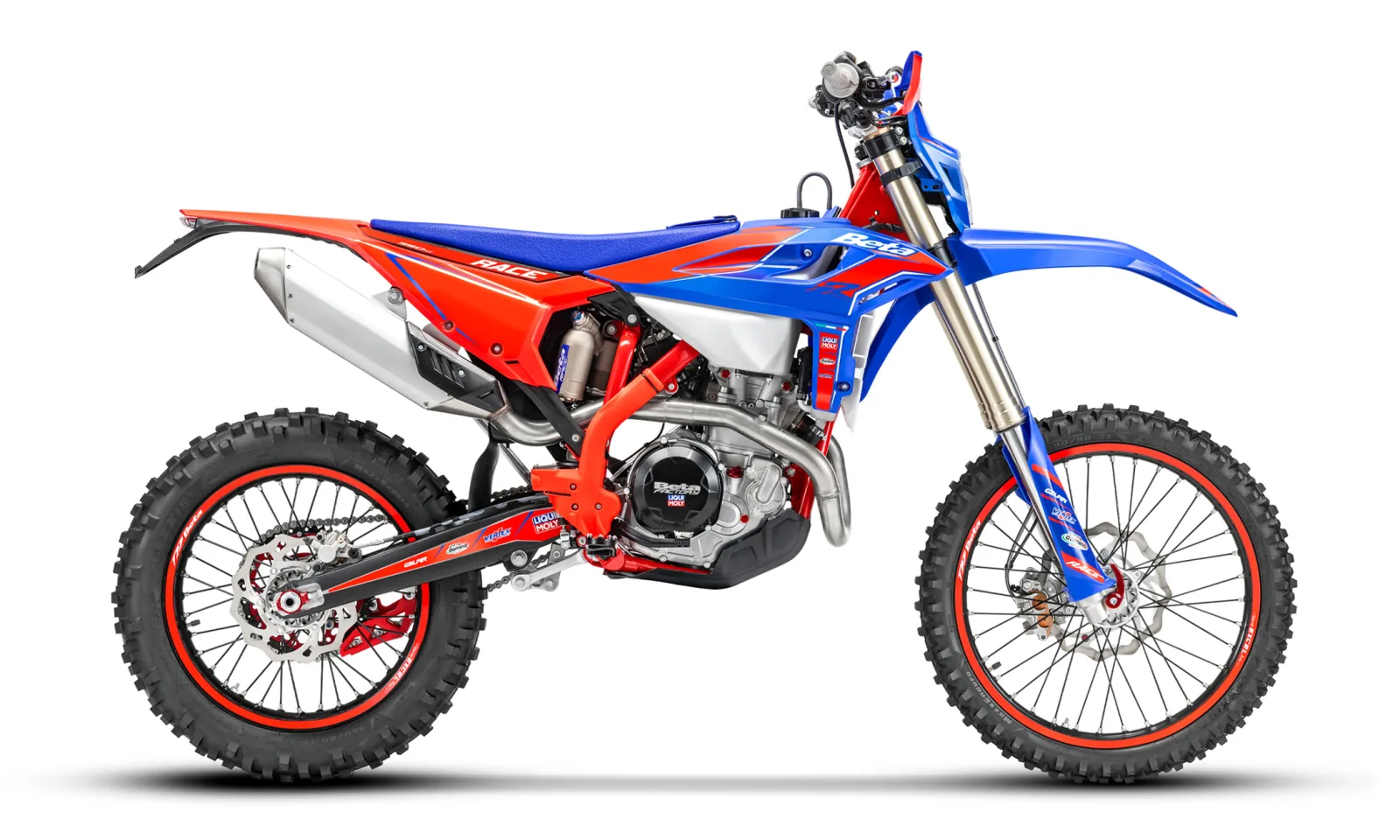
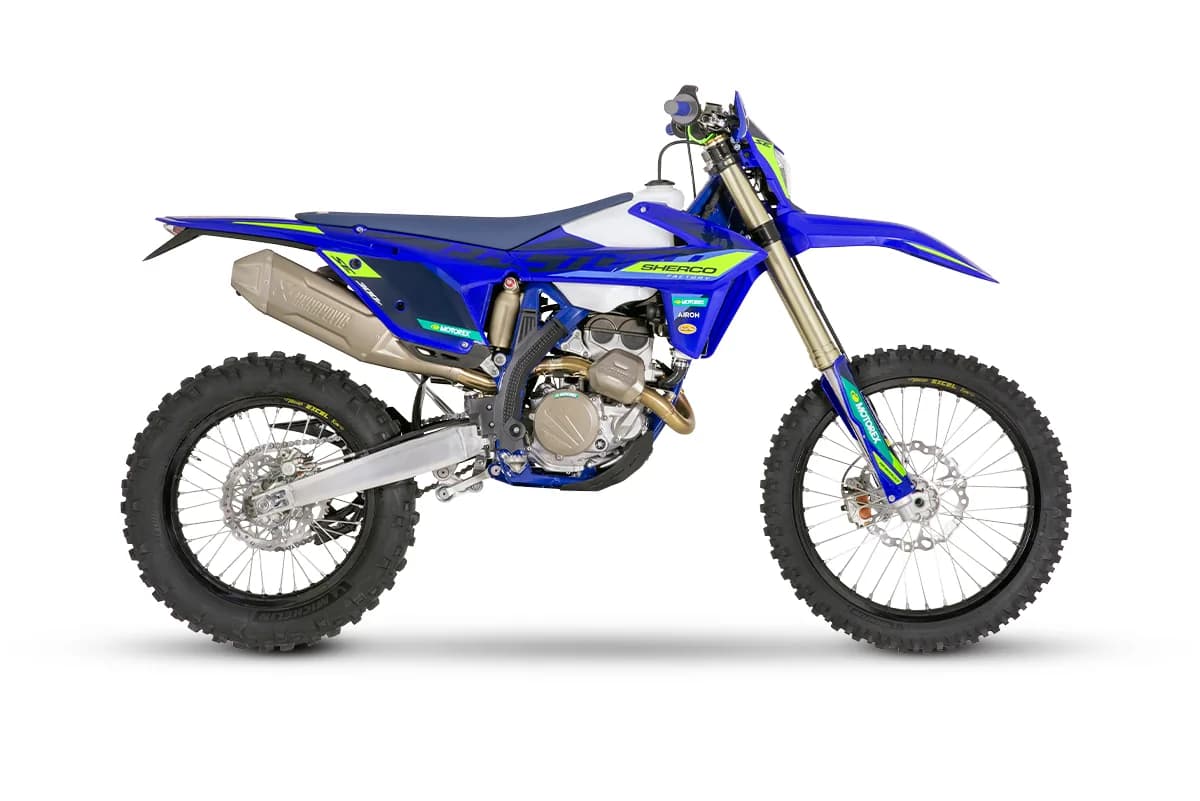
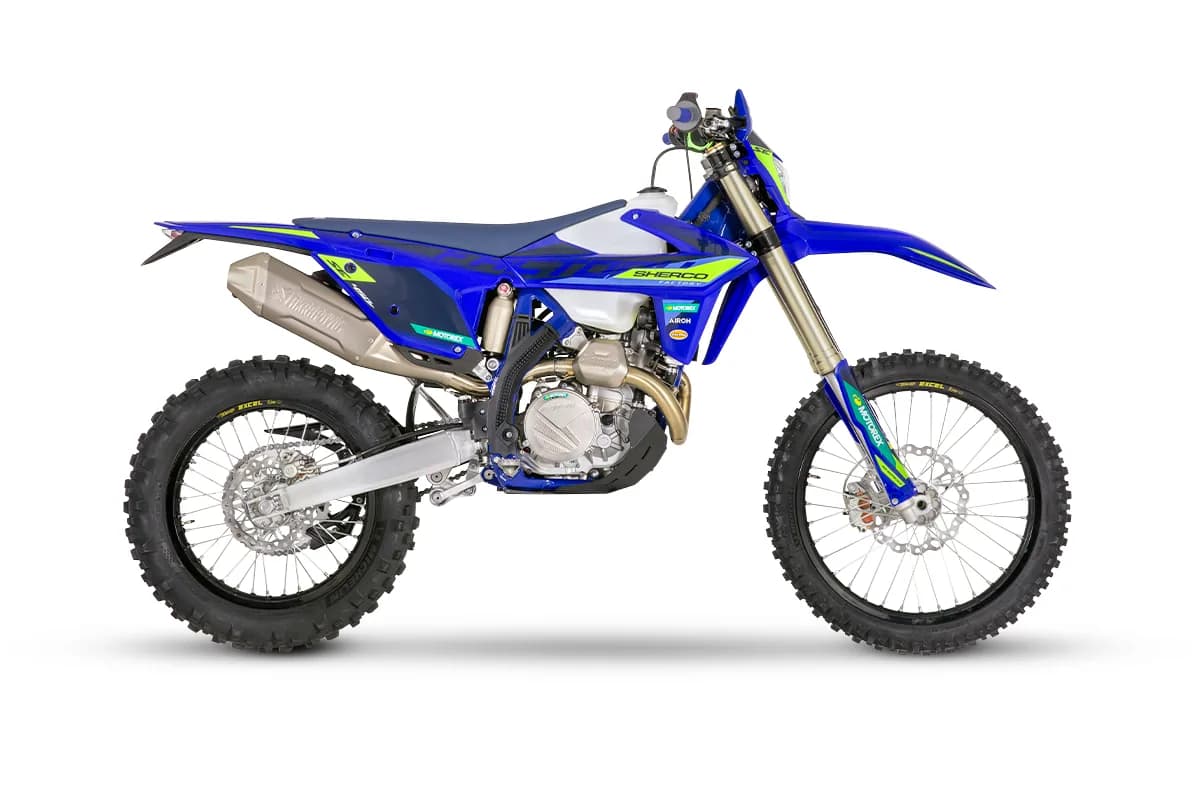
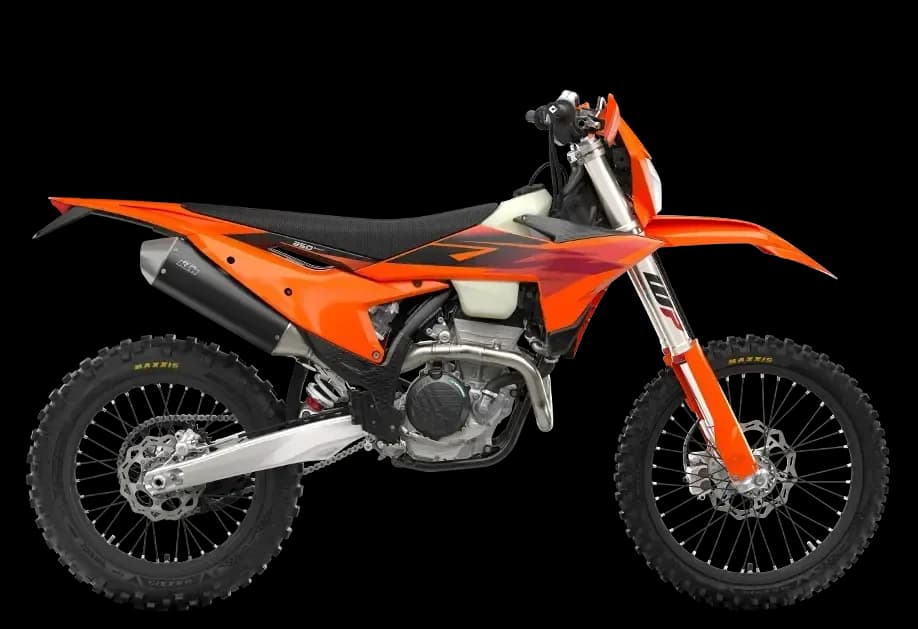
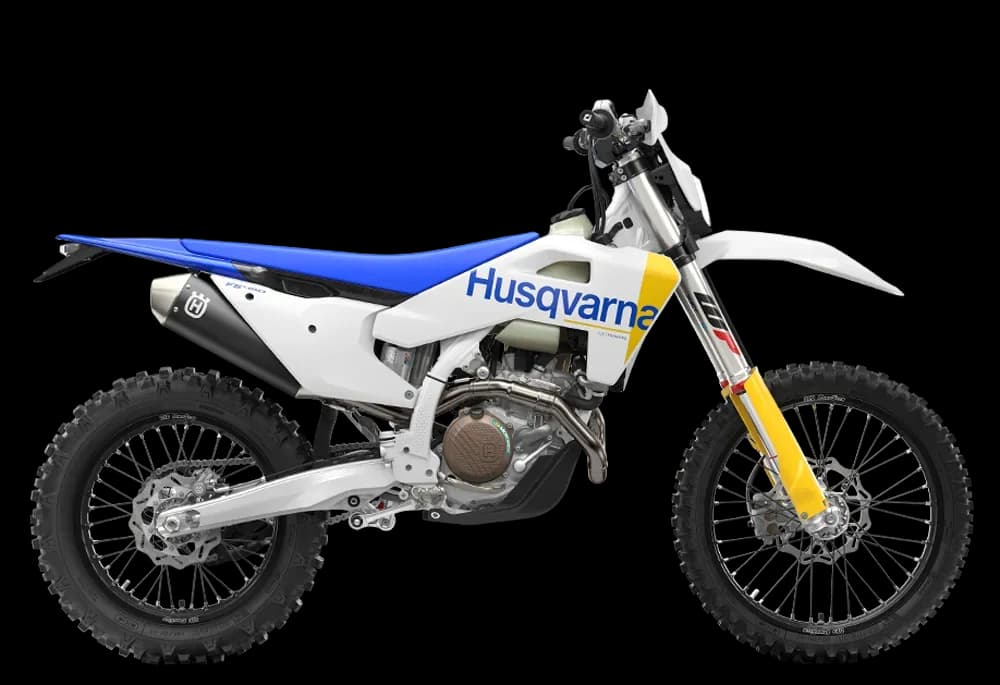
To compare models, start with the two-stroke and four-stroke lists. The KTM 300 EXC, Husqvarna TE 300, GASGAS EC 300, Beta RR 300 and Sherco 300 SE Factory are the common 300s. For four-strokes, see the KTM 350 EXC-F and the race-spec Beta 350 RR Race Edition. The 300 two-stroke buyer's guide goes deeper, and compare bikes puts two side by side.
Road-legal or competition-only
Check this before you buy. In the US, KTM's 2027 XC-W page says "Closed-course competition use only". In California, a 2022-or-newer competition bike can't get the state's Green or Red Sticker. From 2026, California residents need a $30 Sanctioned Event Permit to race one.
In Portugal, the national enduro championship checks a road driving licence, the bike's registration papers and its insurance.
New or used
A new bike comes with a warranty and a known history. If you buy used, ask for the service record. KTM, Husqvarna and GASGAS manuals say the scheduled work must be done by an authorised partner and logged in the electronic proof of service, "as otherwise all warranty claims will be void". A used bike with no record could need a top end, a clutch and a suspension service soon after you buy it.
What new bikes cost
Makers' list prices for 2027 models, checked 14 October 2026. UK prices include VAT, delivery to the dealer and pre-delivery inspection, but not registration. US prices are before freight or destination charges.
| Bike (2027) | UK list price | US list price |
|---|---|---|
| KTM 300 EXC (UK) / 300 XC-W (US) | £10,249 | $11,949 + $690 freight |
| Husqvarna TE 300 | £10,449 | $12,049 + $690 freight |
| GASGAS EC 300 | £9,349 | $11,149 + $690 freight |
| Beta RR 300 Race | – | $11,590 + $595 destination |
| Beta RR 300 X-Pro | – | $10,990 + $595 destination |
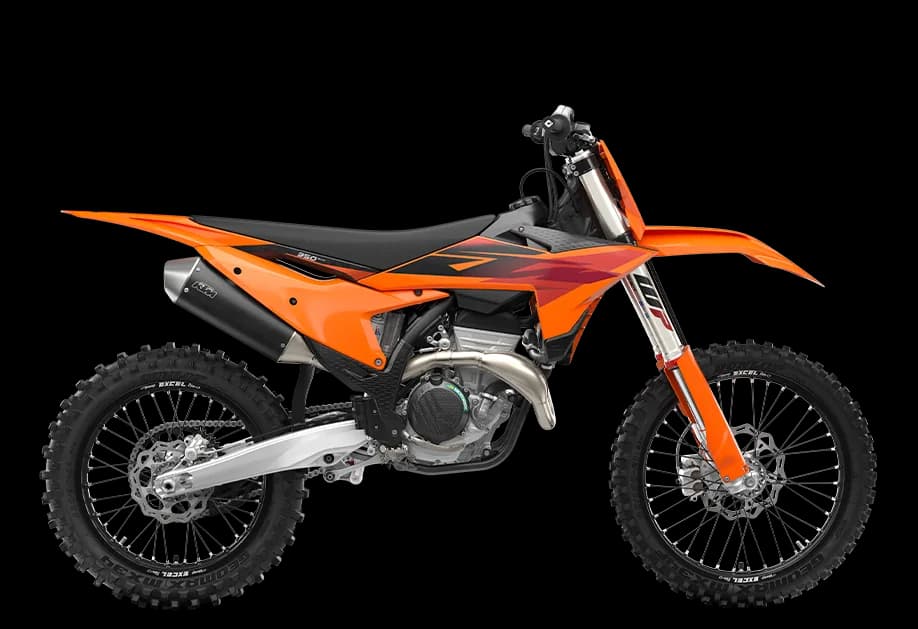
| KTM 250 EXC-F | £10,349 | – |
| GASGAS EC 350F | £9,649 | – |
| KTM 125 XC-W | £8,799 | – |
| Husqvarna TE 125 | £8,999 | – |
| KTM 150 XC-W | – | $10,499 + $690 freight |
| Yamaha WR250F | £8,950 | $9,199 + $675 destination |
| Yamaha YZ125X | – | $7,299 + $675 destination |
A dual-sport trail bike is the cheaper way in. Honda's CRF300L costs £5,899 on the road in the UK (2025 model) and €6,050 in Portugal. Honda lists it in its adventure range. It is a road bike that can ride trails, not a race bike.
The minimum safe kit
Buy protection before you buy parts for the bike. A 1991 survey of 365 riders at the 1989 Enduro World Championship found the knee, collarbone and hand were injured most often (see the safety overview). Even so, the helmet and boots come first. The helmet protects your brain. Boots matter next most. A 2015 review of enduro injury studies found the ankle and foot were the most common sites of fractures and dislocations (36%), and in our experience a dropped bike can land on them. Knee protection comes after that.
| Item | What to look for | Our guide |
|---|---|---|
| Helmet | UN ECE 22.06 approval (DOT FMVSS 218 in the US). Buy new: the 22.06 label says to replace a helmet after a violent impact, and a used helmet's history is unknown. | Helmets |
| Goggles | Fit with your helmet. Roll-offs for mud. | Goggles |
| Boots | Tall motocross boots, ideally EN 13634. | Boots |
| Knee protection | Pads (EN 1621-1) or braces. | Knee protection |
| Chest and back | EN 1621-3 chest and EN 1621-2 back protection. | Chest protector |
| Gloves | Off-road gloves. EN 13594 if you want a rating. | Gloves |
| Jersey and pants | Tough, vented, room for armour. | Pants and jersey |
| Water | A hydration pack on longer rides. | Hydration |
The FIM's 2026 technical rules for enduro world championships are a useful benchmark. They make chest and back protectors compulsory, require boots at least 30 cm tall, and require gloves. On UK roads, the law requires a helmet approved to UNECE 22.05 or 22.06 (or BS 6658 with a Kitemark). In the EU, riding gear that claims impact or abrasion protection is personal protective equipment under Regulation (EU) 2016/425. The beginner bike and gear guide explains what each label means.
Then protect yourself on the bike. In our view, wraparound handguards come first. They shield your hands from branches and rocks, and in a fall. After that, guard the expensive parts: the brake discs, the chain and the clutch slave cylinder. Then check whether your bike has a skid plate. Some come with one and some don't. Radiator guards are mainly for extreme riding. Our enduro bike protection guide covers each part.
Where to ride legally
Riding off-road without permission can bring fines and closes trails for everyone. Each country works differently.
- UK. In England and Wales, off-road, motor vehicles are limited to byways open to all traffic and other roads with vehicle rights. Footpaths, bridleways and restricted byways are closed to them. Enduro parks and club practice days are the other option. Our UK guide covers where to ride.
- US. Riding is managed by land agencies and states, often through permits. California charges $54 for a two-year Green Sticker for each off-highway vehicle. Oregon charges $10 for a two-year off-road motorcycle permit, and every rider needs a free online safety card. See our US guide.
- Portugal. The traffic code covers every public road, paved or not, so a registered and insured bike can use unpaved public roads. Riding on beaches, dunes and cliffs is banned, and some protected areas ban riding off roads and tracks. At very high fire danger, forest roads in priority zones close. Our Portugal guide sets out the rules.
The destinations hub has guides for other countries.
How to learn
Learn the controls first, then balance, then terrain. KTM's owner's manual gives new owners the same advice. It says to get used to the bike "on suitable terrain before undertaking a more challenging ride", to "ride as slowly as possible and in a standing position", and to ride off-road with "another person with another vehicle".
A practical order using our free training lessons:
- Safety first. Read the safety overview, the stop-or-go criteria and first aid basics.
- Controls. Work through Controls 101: throttle, clutch, front brake, rear brake and gear selection.
- Balance and body. Body positioning, static balance, figure-eights and clutch feathering.
- Terrain. Then hill climbs and descents, logs and rocks and water crossings.
- Fitness. Enduro is long. The endurance lesson helps you last the day.
The training start page lays out the full plan. A coached day at a riding school or enduro park speeds this up, and a riding partner makes it safer.
Who to ride with
Most riders we know don't race. In our experience, enduro, from classic trail riding to extreme, is mostly ridden for fun. It's a day out, not a league match. Find riders you like and build your own group.
A club is the quickest way to find people to ride with, practice days and legal places to ride.
Your first race, if you want one
Racing is there for the riders who want it, and clubs run the events. The rules and costs below show what a first race takes.
UK
The ACU is the main governing body. A 2026 ACU competition licence costs £98 for the season and includes personal accident insurance. The ACU says your licence is only valid with "a valid club membership". Riders must be 16 or older for time card enduros. The ACU says the most popular ability classes are "Sportsman, Clubman, Expert and Championship". Enter the easiest class the event offers. The AMCA is a second governing body, with a £25 enduro licence valid to 31 January 2027.
A single event shows the real cost. The Welsh Trail Riders Association's Early Bird Enduro on 4 October 2026 charged £90 to enter, plus £25 for an ACU one-event licence.
US
You need AMA membership to race in AMA-sanctioned events. It costs $49 a year, or you can buy a one-event pass. In the East, the East Coast Enduro Association (ECEA) says "All ECEA events require AMA membership". Clubs set their own entry fees. ECEA's beginner FAQ says bikes may be sound tested "to stay under 96dB", and "most factory bikes will pass". Some events also need "a license plate, headlight, and tail light", because they use public roads to link the trails. Check the event flyer.
Portugal
The Federação de Motociclismo de Portugal (FMP) runs a Hobby class in its 2026 national enduro championship, built to bring in new riders. You don't need a sports licence. Entry costs €70 for a one-day event or €80 for two days, and includes personal accident insurance. Hobby riders take easier routes around the hardest sections and ride only two laps a day. You must be under 50 and not have held a sports licence in 2024, 2025 or 2026. The minimum age is 14, with a driving licence for the type of bike you ride.
If you then want a full licence, the FMP's 2026 one-discipline licence costs €260 a year, or €235 through a club. National championship entry is €60 for one day and €80 for two in most classes, and €50 and €60 in the women's class.
Realistic costs
These are the published figures, checked on 14 October 2026. Kit, tyres, fuel, travel and repairs come on top and vary widely.
| Cost | UK | US | Portugal |
|---|---|---|---|
| New 300 two-stroke, list price | £9,349–£10,449 | $10,990–$12,049, plus $595–$690 delivery | – |
| Road-legal trail bike (Honda CRF300L, 2025) | £5,899 on the road | – | €6,050 |
| Membership or race licence, per year | ACU £98 (plus club membership); AMCA enduro £25 | AMA $49 | FMP enduro licence €260, or €235 through a club |
| One race, entry | £90 + £25 one-event licence (WTRA, 2026) | Set by each club | €50–€80 licensed; Hobby €70–€80 with insurance |
| Riding permits | – | California Green Sticker $54 for 2 years; Oregon $10 for 2 years | – |
Road licences cost extra if you need one. In the UK, a CBT lets riders 17 and over ride a bike up to 125 cc and 11 kW on L plates. Bigger bikes need a full licence. The motorcycle theory test costs £23, Module 1 costs £15.50 and Module 2 costs £75 on weekdays.
Running costs follow the service schedule. On a KTM 300 EXC, the manual calls for a piston every 45 hours and a fork and shock service every 45 hours. Ride 50 hours a year and you'll do each about once a year. On dry or wet sand, the KTM and Husqvarna TE 300 manuals say to change the piston every 10 hours, so 50 hours of sand riding means five pistons.