Lesson 5 of 6 in Controls 101
Gear Selection
In hard enduro, choose the lowest gear that lets the engine pull smoothly without you slipping the clutch all the time, and choose it before the obstacle, not on it. For most technical riding that means second gear. First is for very steep climbs, very tight turns and restarts on steep slopes. Third is for flowing, slippery or rocky trail where you want softer, smoother drive. The right gear gives traction and keeps the clutch cool.
Updated September 2026. Sources are listed below. How we work
On this page
- Why gear selection matters in hard enduro
- How much difference one gear makes
- What the numbers mean on the trail
- Which gear for which terrain
- Shifting technique for technical riding
- Gear selection drills
- Gear choices that cost you the climb
- A 25-minute gear selection session
- You're ready to move on when…
- Gear selection questions
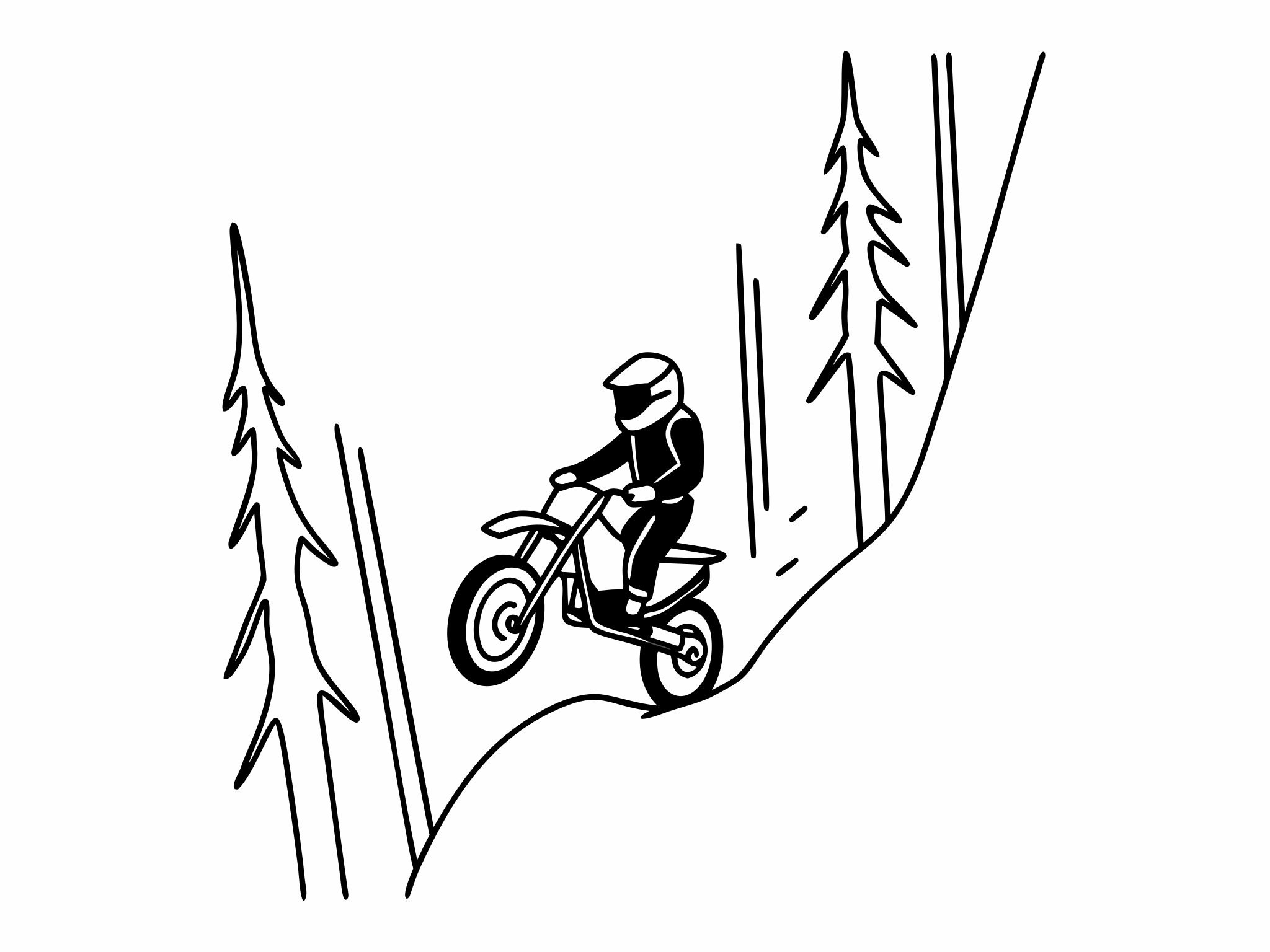
Why gear selection matters in hard enduro
Your gear decides how hard the rear tyre is pushed for every bit of throttle and clutch you give it. In a low gear the gearbox multiplies the engine's torque a lot, so small inputs make big, sudden changes at the tyre. In a taller gear the same inputs make smaller, smoother changes, but the engine has less leverage and can bog.
Get it wrong one way and the tyre spins, the front lifts and the bike is twitchy. Get it wrong the other way and the engine bogs, you slip the clutch to keep it alive, and the clutch overheats. KTM's owner's manual sums up the clutch side: "Ride at a low engine speed instead of at a high engine speed with a slipping clutch." In practice that means picking a gear the engine can pull without constant slipping.
The second reason is timing. Changing gear means pulling the clutch and cutting drive for a moment. On flat trail that doesn't matter. Halfway up a loose climb or on top of a rock step, that moment without drive is often enough to stop the bike. Chris Hollis's advice in Transmoto's enduro how-to is to "choose an entry speed and gear, and then stick to it. And be ready to adjust on the fly." On a climb, adjusting usually means clutch and body position, not the gear lever.
How much difference one gear makes
These are the internal gearbox ratios of the 2024 KTM 250 and 300 EXC from KTM's owner's manual. The final drive (sprockets) multiplies all of them by the same amount, so the gaps between gears stay the same whatever sprockets you run.
| Gear | Gearbox ratio (manual) | Reduction | Road speed vs the gear below, same revs |
|---|---|---|---|
| 1st | 13:33 | 2.54 : 1 | — |
| 2nd | 16:30 | 1.88 : 1 | about 35% faster |
| 3rd | 18:26 | 1.44 : 1 | about 30% faster |
| 4th | 22:26 | 1.18 : 1 | about 22% faster |
Swipe the table sideways to see every column.
What the numbers mean on the trail
Going from first to second on this gearbox gives about a third more speed for the same engine revs. It also means about a quarter less force at the rear tyre for the same throttle. That is the whole trade-off in one step:
- Second instead of first: smoother, less likely to spin or lift the front, needs more clutch or momentum on steep ground.
- First instead of second: more pulling force for steep climbs and restarts, but every input is sharper, and the bike runs out of revs sooner.
That's why we default to second for technical riding. It's the gear where a steady throttle and a slipping clutch give the finest control, without the sharp response of first. Drop to first when the pull runs out; go to third when the ground is slippery or flowing.
For how sprocket choice shifts all of this, see the enduro gearing guide.
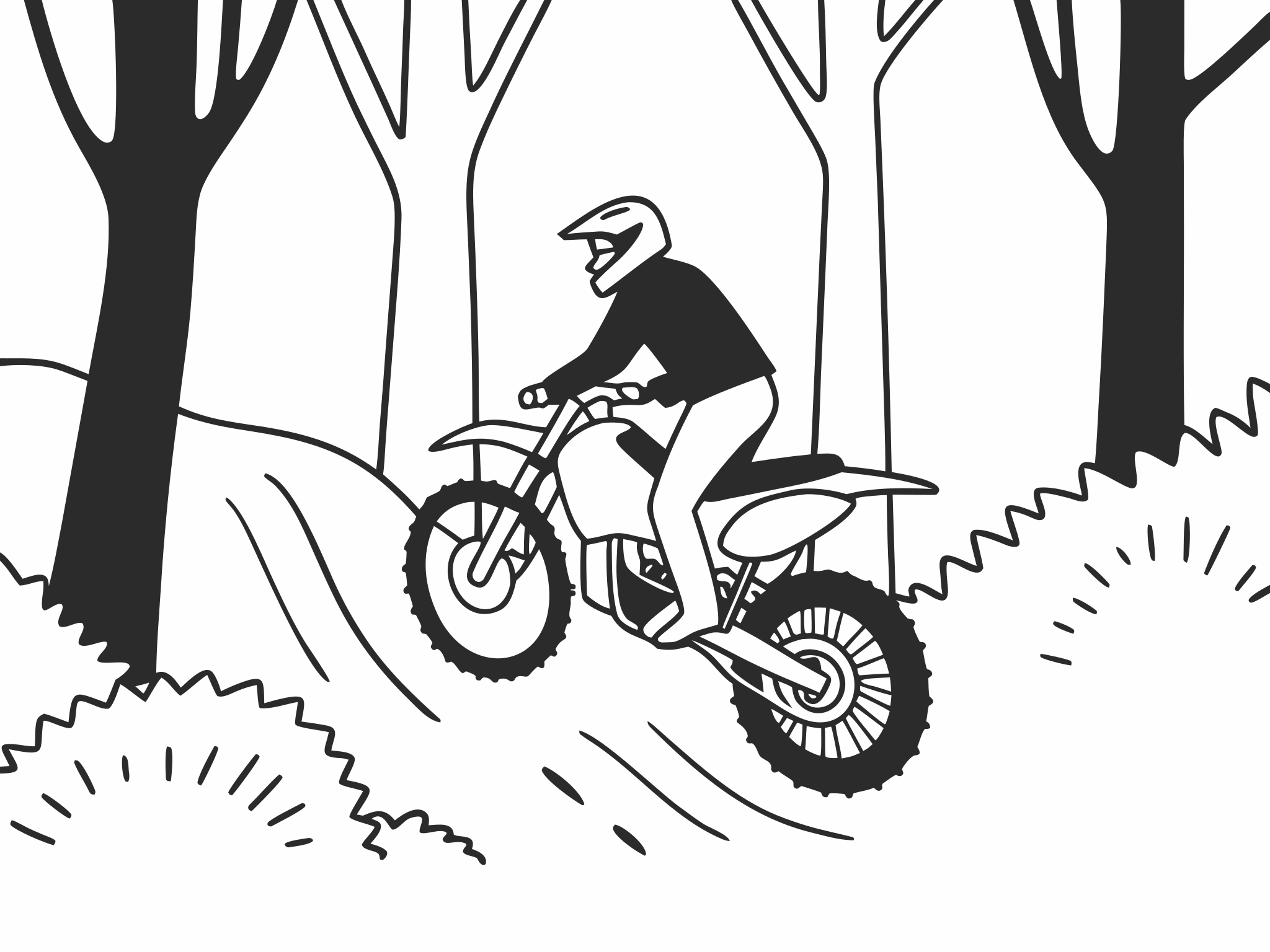
Which gear for which terrain
A starting point for a typical 250 or 300 two-stroke or 350 four-stroke with standard enduro gearing. Adjust for your bike, your sprockets and the grip on the day.
| Situation | Usual gear | Why |
|---|---|---|
| Creeping over roots and rocks | 2nd | Smoothest drive at walking pace with the clutch slipping. |
| Very steep climb from a standstill | 1st | Maximum pull. KTM's manual says first is "for steep inclines". |
| Steep climb with a run-up | 2nd or 3rd | Carry momentum; avoid a shift on the face. |
| Tight switchbacks and full-lock turns | 1st or 2nd | Slow enough to turn, with enough pull to stand the bike up. |
| Slippery roots, wet rock, mud | One gear taller than feels natural | Softer drive spins the tyre less. |
| Rocky, flowing trail at speed | 3rd | Smooth drive, less wheelspin, fewer shifts. |
| Steep descent | 1st or 2nd | Engine braking helps hold speed down. |
Swipe the table sideways to see every column.
Shifting technique for technical riding
- Shift before the feature. Look ahead, decide the gear on the approach and change while the ground is still easy.
- Keep your boot near the lever. Stand with the ball of your left foot on the peg and your toe close to the shift lever, so a shift is a small toe movement.
- Set the lever for standing. KTM lets you reposition the shift lever on its splines. Set it so you can shift up and down from your standing position.
- Don't downshift at high revs. KTM's manual warns: "If you change down at high engine speed, the rear wheel blocks and the engine races." Slow down first, then shift.
- Use engine braking. Hollis shifts "down a gear earlier" before corners to let the engine help slow the bike. On descents the same idea keeps your brakes cooler.
- Know where neutral is. On most dirt bikes, including these KTMs, neutral sits between first and second, a half-click up from first. On a hill, don't go looking for it: restart in gear, as the kill/start lesson explains.
Gear selection drills
Use a short loop with a flat section, a tight turn and a gentle hill.
1One loop, one gear
Ride the loop in second gear only, using the clutch to manage the tight turn and the hill. Then ride it in first only, then third only. Notice where each gear felt twitchy, where it bogged and where you had to slip the clutch most.
2Pre-select on the approach
Put a marker five bike-lengths before the hill. Your gear change must be finished by the marker. Ride the hill without touching the gear lever. Repeat with the marker closer until the change becomes part of your approach.
3Same hill, two gears
Climb the same gentle hill five times in first and five times in second. Count the attempts where the tyre spun or the front lifted, and the attempts where the engine bogged. The better gear is the one with fewer problems, not the one that felt fastest.
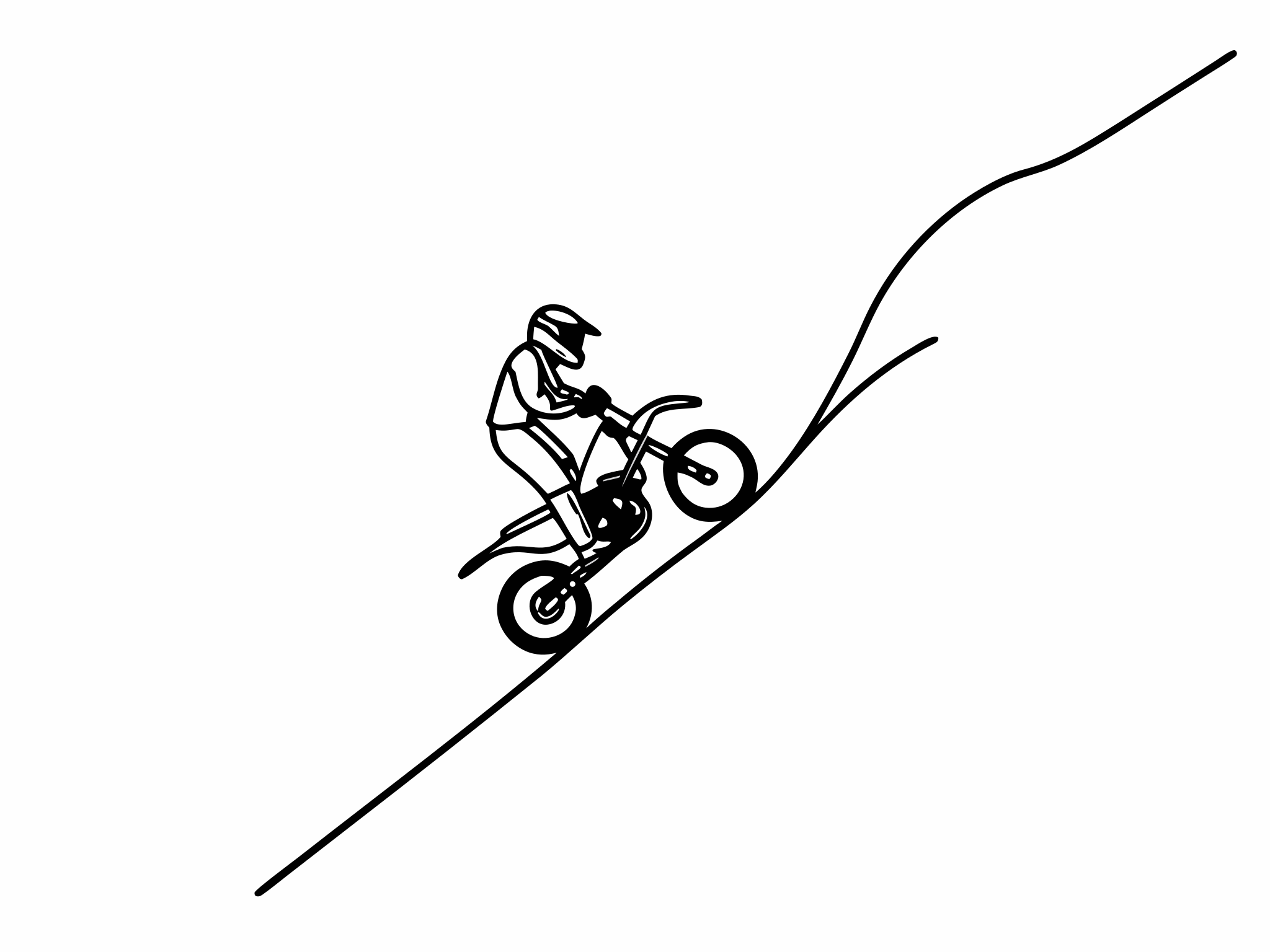
Compare gears on the same hill. Count spins and bogs, not how fast it felt. 4Slippery-ground swap
Find a patch of wet grass, roots or loose dirt. Ride across it in the gear that feels natural, then one gear taller. Most riders find the taller gear spins the tyre less. Learn how that feels on your bike.
Gear choices that cost you the climb
Shifting halfway up a climb.
Fix: The drive cut stops the bike. Choose the gear at the bottom. If you must shift, do it on a flatter step in the hill, or stop, hold on the rear brake and restart.
Revving in too low a gear.
Fix: The tyre spins and the front lifts. Go up a gear and let the clutch control speed.
Lugging in too tall a gear.
Fix: The engine bogs and you slip the clutch to keep it alive. Go down a gear before the section so the engine can pull without constant slip.
Downshifting at high revs before a feature.
Fix: The rear wheel can lock and the bike slides. Brake first, then shift.
Riding everything in first.
Fix: First makes every input sharp. Use second for most technical riding and save first for steep climbs, restarts and very tight turns.
A 25-minute gear selection session
| Time | Drill | What to focus on |
|---|---|---|
| 0–8 min | One loop, one gear (2nd, then 1st, then 3rd) | Where each gear twitches, bogs or needs clutch. |
| 8–14 min | Pre-select before the marker | Change finished before the hill. |
| 14–20 min | Same hill, two gears | Count spins and bogs. |
| 20–25 min | Slippery-ground swap | One gear taller on low grip. |
Swipe the table sideways to see every column.
You're ready to move on when…
- You choose your gear before every hill and technical section, without thinking about it.
- You can ride a whole technical loop in second, using the clutch instead of shifting.
- You know which gear your bike prefers for steep climbs, tight turns and slippery ground.
- You never shift on the steep part of a climb.
- You finish a session without clutch smell from lugging in too tall a gear.
Gear selection questions
Why do riders use second gear for technical sections?
Second softens the engine's response compared with first, so the tyre spins less and the front lifts less, while the clutch still gives fine control at walking pace.
Should I change my sprockets instead?
Sprockets shift every gear at once. If you're always in first and still slipping the clutch hard, lower overall gearing can help. The gearing guide explains how to choose.
What if I pick the wrong gear on a hill?
Don't shift on the face. If the bike is bogging or spinning, stop with the rear brake, hold it, and restart in the right gear. The kill/start lesson shows how.