Course 2 of 5 · Beginner
Riding Fundamentals
This is the foundation of everything that follows. You'll learn how the bike makes and holds traction, how the clutch and brakes shape power, and how your body position keeps balance effortless. The course has seven parts: Controls 101, body positioning, full-lock figure-eights, cornering, ruts and berms, static balance, clutch feathering and front-end lifts. Almost all of it is practised on flat ground at walking pace, and every lesson ends with clear signs that you're ready to move on.
Updated October 2026. Sources are listed below. How we work
On this page
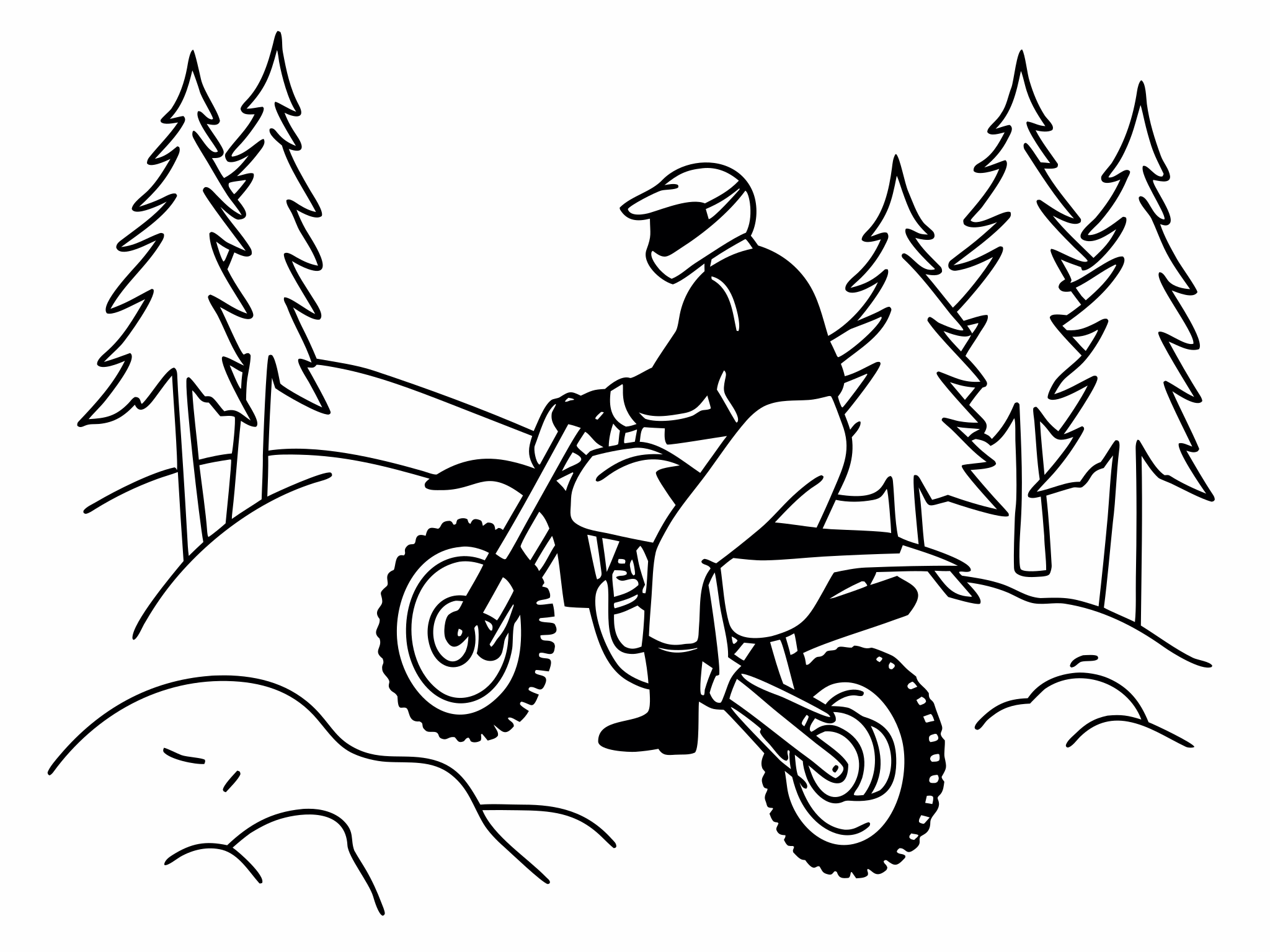
Why it matters
Hard enduro rewards smooth inputs over speed. The better your fundamentals, the calmer you ride difficult terrain and the less you fight the bike.
Most of hard enduro is slow. Rock gardens, root climbs, log crossings and tight switchbacks are ridden at walking pace or slower, where speed can't cover a mistake. What gets you through is control: a throttle that doesn't surge, a clutch that meters drive a millimetre at a time, a stance that lets the bike move under you, and the balance to stop and think.
Chris Hollis, a multiple national off-road champion, put it plainly to Transmoto: in technical terrain your mental approach "will only get you so far, and at the end of the day, it comes down to your throttle, brake and clutch control." Dirt Bike Magazine's balance feature describes the same gap from the other side: older riders with fading low-speed skills rely on momentum and "the 'slam with speed to overcome the ugly' approach". The fundamentals are how you stop needing it.
What you'll build
- Control of the friction zone and throttle steadiness. A quiet right hand and a busy left hand, so drive reaches the tyre in steps small enough to grip.
- Neutral standing posture and lower-body steering. Weight on the pegs, legs as suspension, and the pegs and knees doing much of the steering.
- Slow-speed balance and precise front-end placement. Turning at full lock, stopping without a dab, and putting the front wheel exactly where the obstacle needs it.
Expect to revisit these ideas often. Mastery is quiet and repeatable, not dramatic.
The seven lessons and where they lead
Work through them roughly in this order. Each one uses the ones before it.
| Lesson | What it trains | Where you'll use it later |
|---|---|---|
| Controls 101 | Throttle, clutch, both brakes, gear choice and restarts | Everything |
| Body positioning | The standing stance, peg steering, weight forward and back | Climbs, descents, rocks, roots |
| Full-lock figure-eights | Every control at once in slow, tight turns | Switchbacks, trees, pivot turns |
| Cornering, ruts and berms | Turning at trail speed: flat turns, berms, ruts, and reading the trail ahead | Every trail ride and race |
| Static balance | Holding the bike still, feet up | Reading a line, waiting on a climb, stoppies |
| Clutch feathering | Crawling at walking pace or slower | Rock gardens, root climbs, hill climbs |
| Front-end lifts | Lifting and placing the front wheel | Logs and rocks, wheelies |
Swipe the table sideways to see every column.
Where and how to practise
You need less than you think:
- A flat, grippy area about the size of a tennis court, with a gentle slope nearby. Short grass on firm soil or dry hard dirt is ideal.
- Four to six markers. Cones, bottles or stones.
- A low log or kerb about 15 to 20 centimetres high for the lift lesson, a bigger log or rock for the balance lesson, and a short trail with roots and small rocks.
- Your full riding gear. Slow drills still end in tip-overs. See the gear guide.
- A bike set up for standing. Levers, pedal and bars adjusted so you can reach every control from your standing stance. Controls 101 has the checklist.
How to practise:
- Short, frequent sessions. Twenty to forty minutes of focused drills beats a whole day of riding round. Every lesson includes a timed session plan.
- Both directions, every time. Most riders have a weak side. The drills only count when both sides match.
- Seated first, then standing. The Motorcycle Safety Foundation's turning exercises follow this order: practise "in the sitting position first, then the standing position."
- Rest the clutch. Slow drills slip the clutch constantly. Two minutes off every ten keeps it from overheating.
- Film yourself. A phone video shows where your weight really is and whether the engine note is steady. What you feel and what you do are often different.
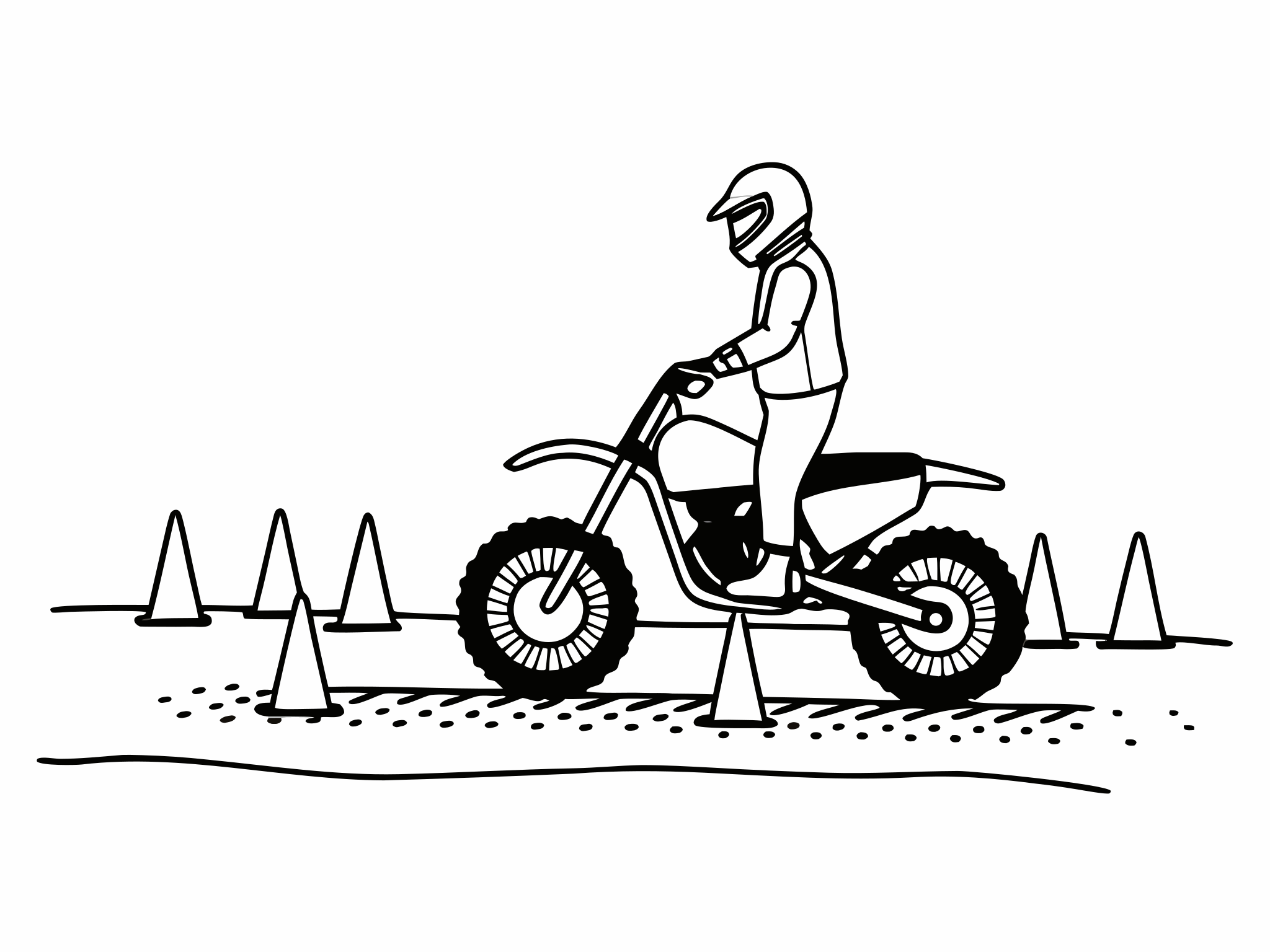
How you'll know you're done
Each lesson ends with a checklist of things you can do, not time served. Move on when every item is repeatable, not when you've done a set number of sessions.
You've finished the fundamentals when you can:
- Crawl 50 metres at walking pace in second gear without stalling or surging.
- Ride full-lock figure-eights in both directions without a dab.
- Stop from walking pace and balance for five seconds with both feet on the pegs.
- Lift the front onto a low log and ride the rear up after it.
- Stand through an easy trail for ten minutes without tired arms.
Then take the skills onto real terrain in Advanced Techniques, and on to the precision work in Advanced Skills. If you're new to the training plan, Start Here shows the full path.
Lessons in this course
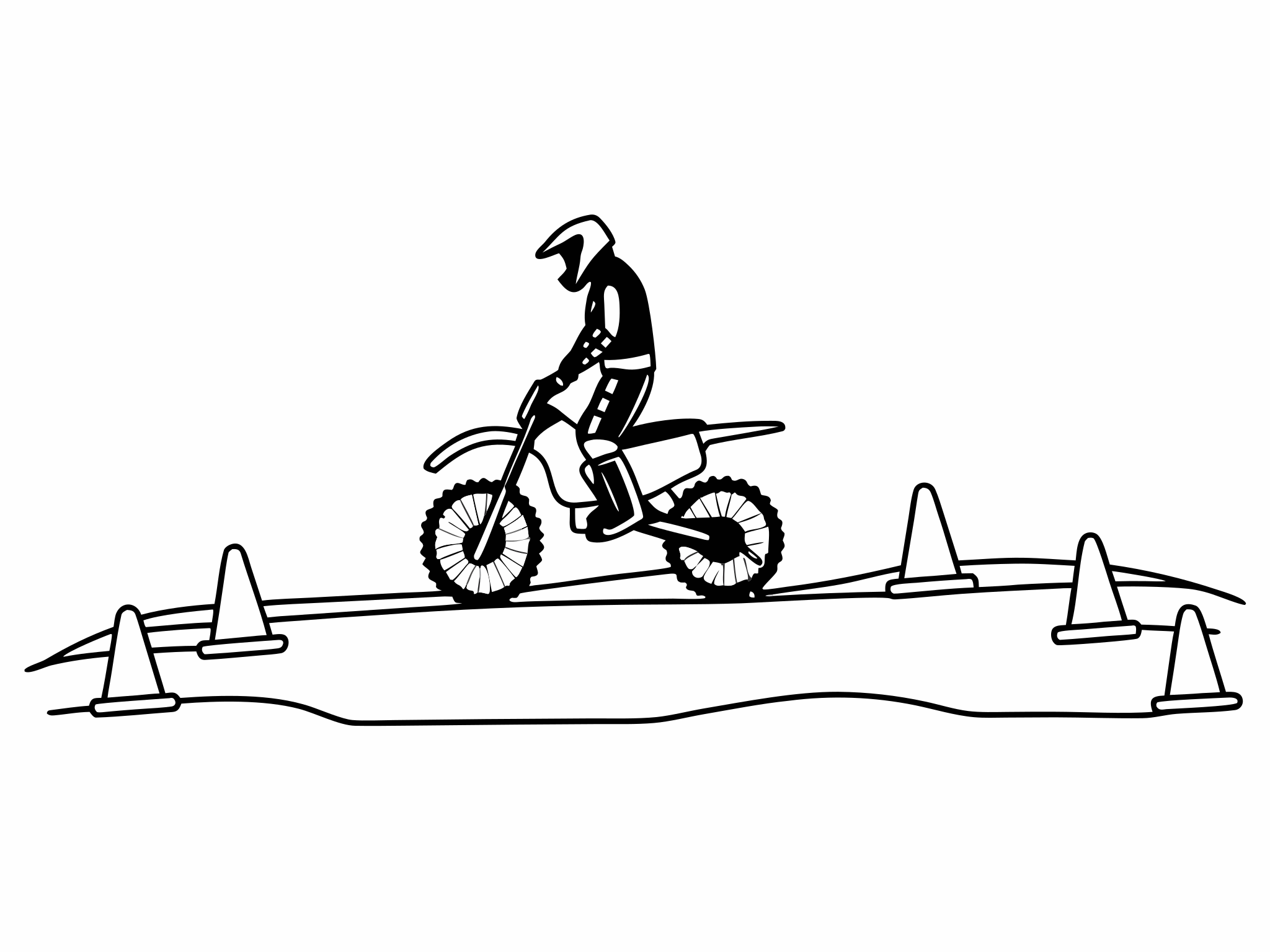 1Controls 101Controls 101 for hard enduro: throttle, clutch, both brakes, gear choice and restarts. What each control does, the order to learn them, and drills.
ThrottleClutch ControlFront BrakeRear BrakeGear SelectionKill/Start Controls
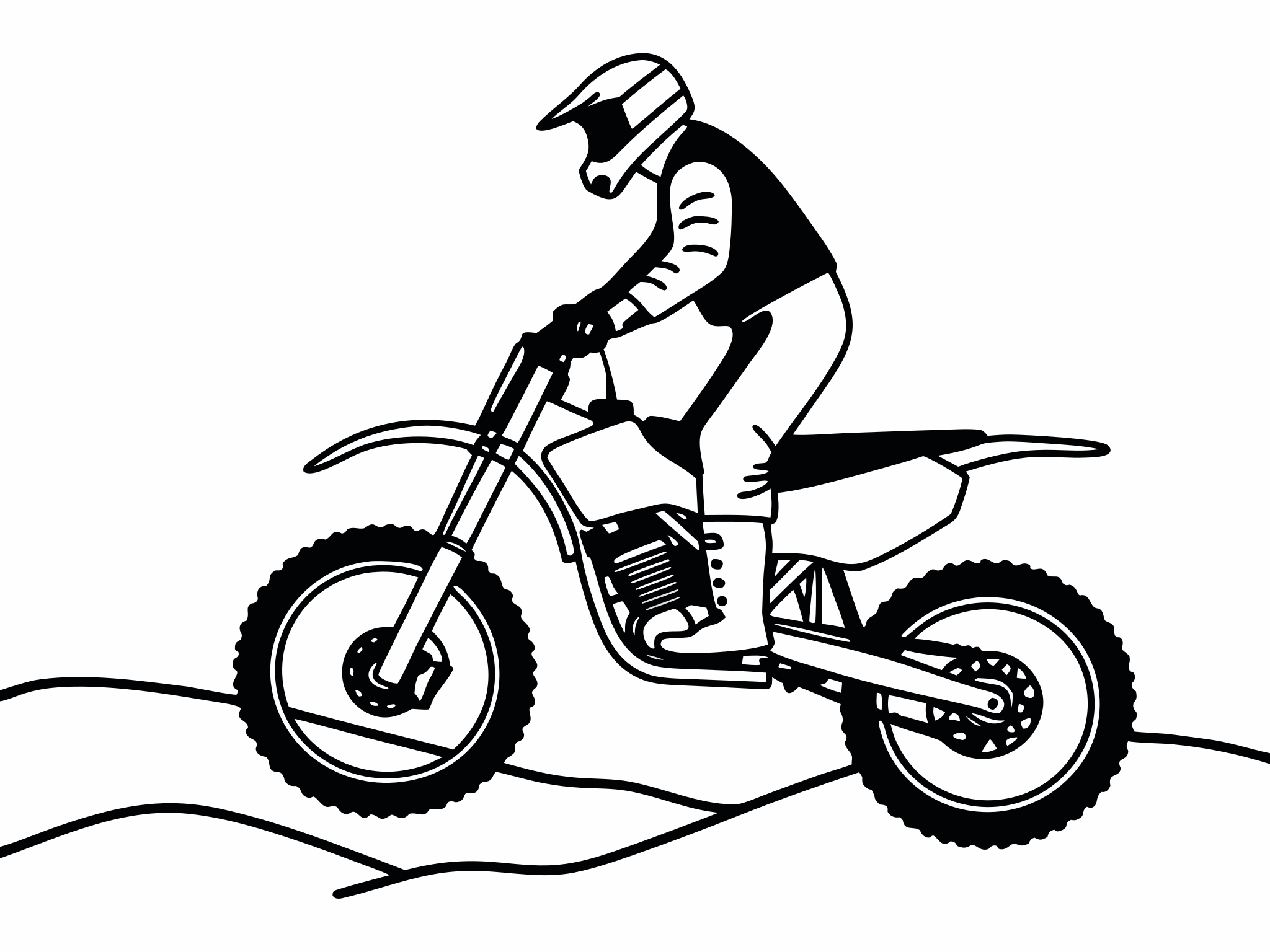 2Body PositioningBody positioning for hard enduro: the standing attack position, steering with your legs and pegs, weight shifts for climbs, descents and rocks, and when to sit.
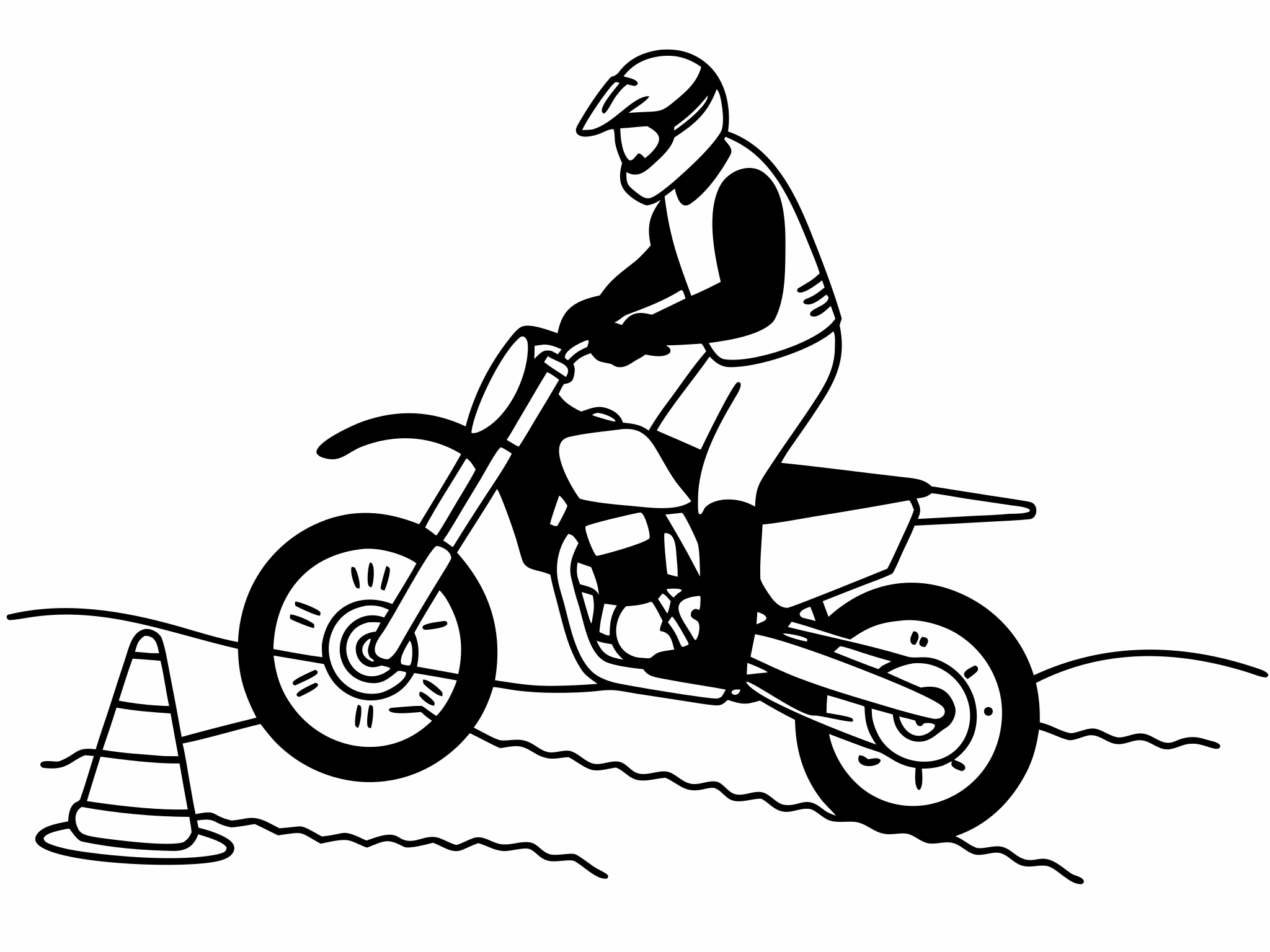 3Full‑Lock Figure‑EightsFull-lock figure-eights for hard enduro: slow tight turns with clutch, rear brake drag and outside-peg weight. Setup, technique, drills and progress cues.
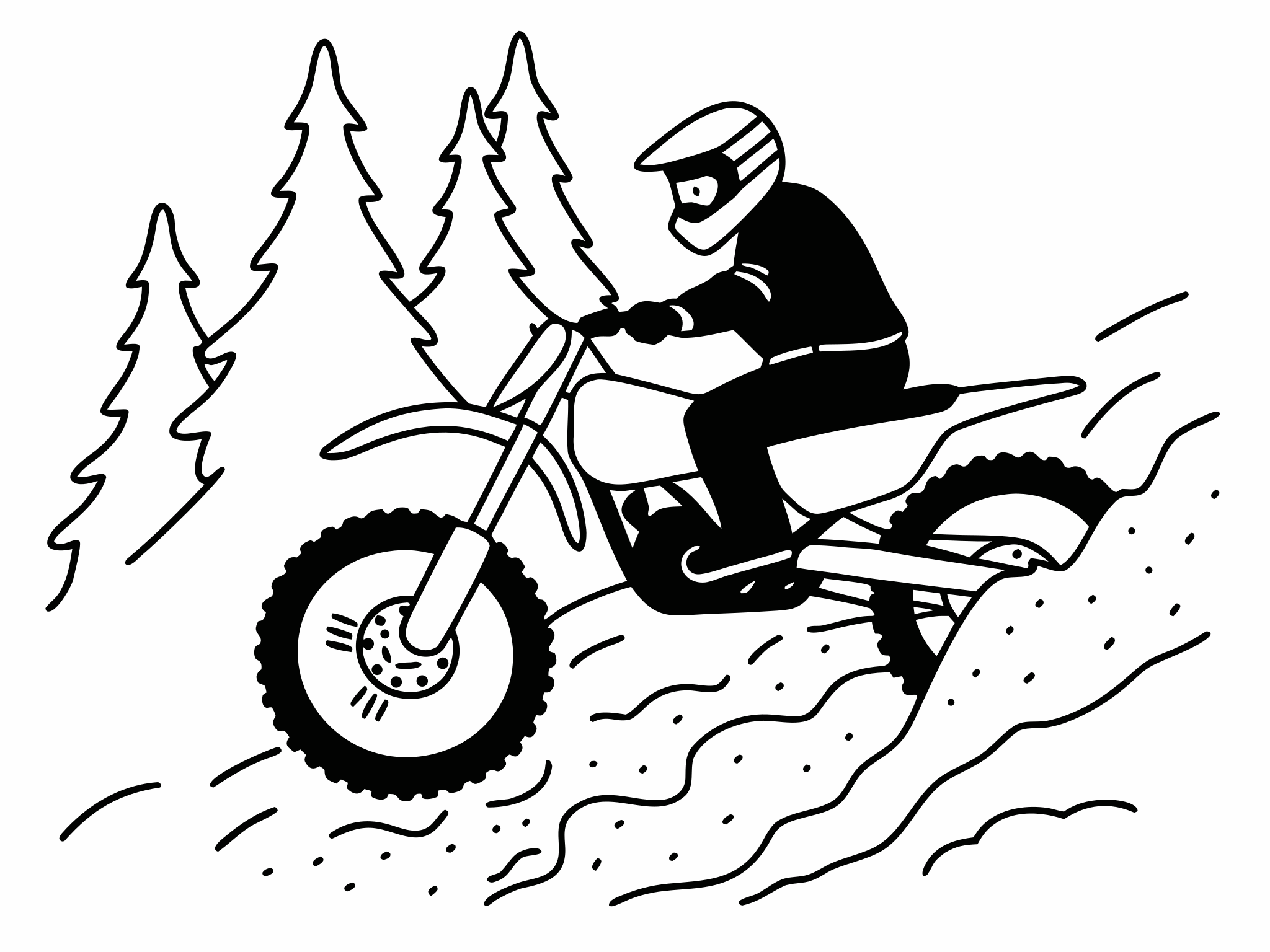 4Cornering, Ruts and BermsCornering for enduro at speed: standing vs seated turns, outside-peg weight, leg out, braking and gear on the way in, ruts, berms and reading the trail ahead.
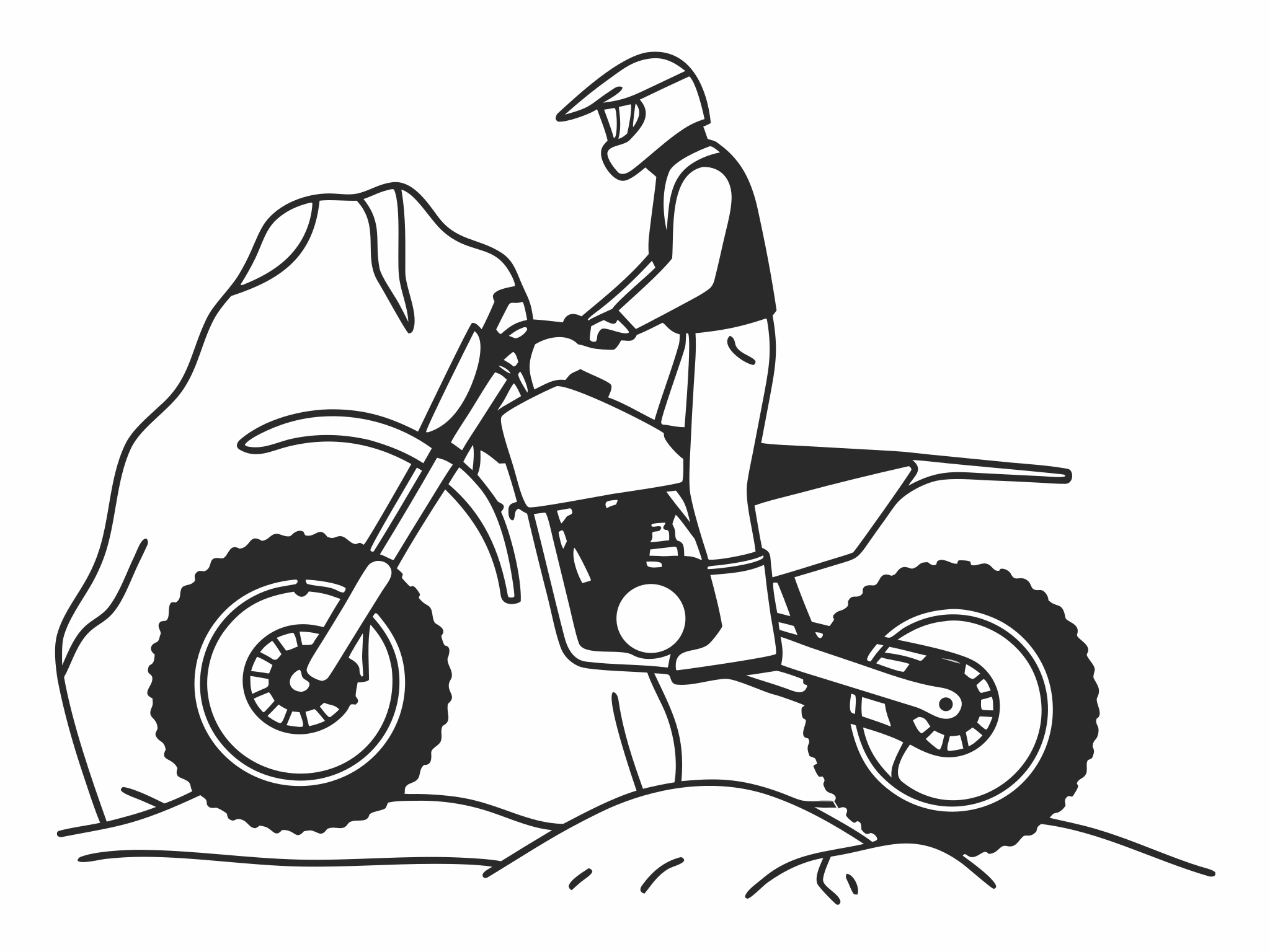 5Static BalanceStatic balance for hard enduro: hold a dirt bike still with both feet on the pegs to read a line or wait your turn. Technique, drills and progress cues.
 6Clutch FeatheringClutch feathering drills for hard enduro: crawl at walking pace or slower with a steady throttle, read the engine note, and keep the clutch cool. A drill page.
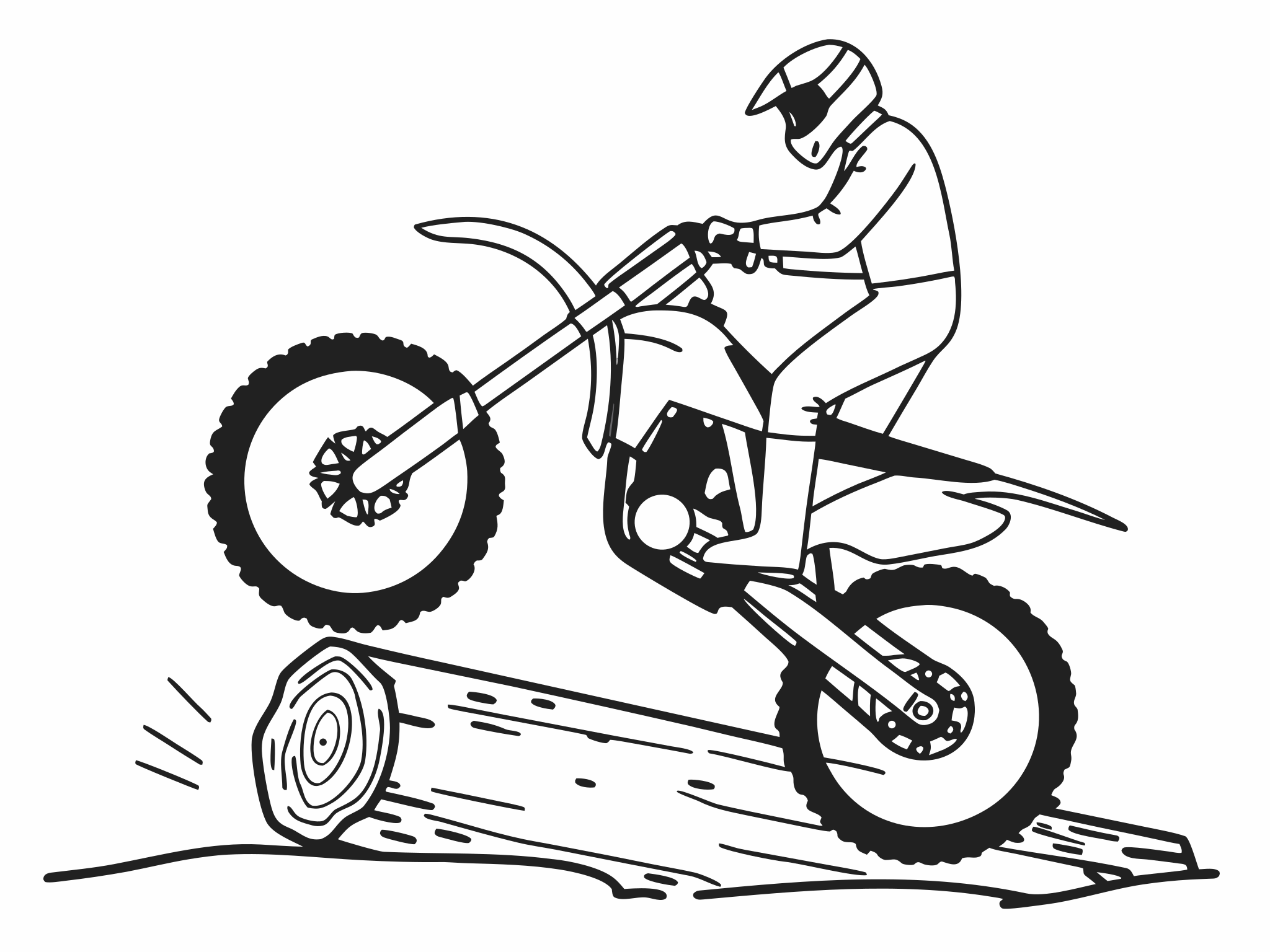 7Controlled Front‑End LiftsControlled front-end lifts for hard enduro: preload the fork, time a short clutch release and cover the rear brake to put the front wheel on logs and steps.