Lesson 1 of 7 in Riding Fundamentals
Controls 101
Controls 101 is the foundation of hard enduro training. Before steep climbs, logs, pivots and race pace, you need calm hands and feet: a steady throttle, a precise clutch, progressive brakes, the right gear and a reliable restart. Learn them in this order — throttle, clutch, rear brake, front brake, gear selection, kill/start — slowly and on flat ground, until each one is predictable. Then combine them in turns, on hills and over roots and rocks.
Updated September 2026. Sources are listed below. How we work
On this page
Fast answer
Train controls in this order: throttle calmness, clutch friction zone, rear brake cover, front brake feel, gear selection, and kill/start resets. Practise each one slowly until the bike feels predictable, then combine them in turns, hills, rocks, roots and tight trail.
Every technique later in this training plan — front-end lifts, pivot turns, logs and rocks, hill climbs — is these six inputs combined with body position. Chris Hollis made the same point to Transmoto: in technical terrain your mental approach "will only get you so far, and at the end of the day, it comes down to your throttle, brake and clutch control."
The six controls and what each does in hard enduro
| Control | Its job in hard enduro | Full lesson |
|---|---|---|
| Throttle | Sets a steady baseline of drive. Calm, rolled inputs keep the rear tyre gripping. | Throttle |
| Clutch | Real traction control. Meters drive at walking pace, holds the bike on slopes and times front-wheel lifts. | Clutch control |
| Rear brake | The calm button. Steadies descents and tight turns, brings the front down, holds the bike on hills. | Rear brake |
| Front brake | The main stopping power on grippy ground. Controls pitch and holds the bike still at full lock. | Front brake |
| Gear selection | Decides how sharp every input feels. Chosen before the obstacle, never on it. | Gear selection |
| Kill/start | The stop button and the hill-restart routine. Turns a stall into a ten-second pause. | Kill/start controls |
Swipe the table sideways to see every column.
Why this order
Throttle first, because everything else depends on a quiet right hand. If the throttle is jumping, you can't feel what the clutch or brakes are doing.
Clutch second, because at the slow speeds of hard enduro it does most of the fine work. With a steady throttle, the clutch decides how much drive reaches the tyre.
Rear brake third, because it's the safety net for the clutch. Every clutch drill that lifts the front or stops on a slope needs your right foot ready.
Front brake fourth, because it's the most powerful control on the bike and the one that punishes a grab. It's easier to learn once your body position is steady.
Gear selection and kill/start last, because they're about choosing and recovering: picking the gear that makes the other controls easy, and getting going again when it all stops.
In practice you'll overlap them. That's fine. The order is about where your attention goes first.
How the controls work together
Almost nothing in hard enduro uses one control on its own. Dirt Bike Magazine's full-lock turning drill has the rider "applying pressure to the front and rear brakes while using smooth throttle control and lightly slipping the clutch". Its rider on a rock ledge "held pressure with the rear brake and clutch while applying steady throttle". The combinations below are the ones you'll use most.
Common combinations
| Situation | Throttle | Clutch | Brakes | Gear |
|---|---|---|---|---|
| Creeping over roots and rocks | Steady, slightly above idle | Slipping at the bite point | Foot over the rear | 2nd |
| Tight full-lock turn | Steady | Light slip | Light drag, both | 1st or 2nd |
| Holding still on a slope | Steady or closed | At the bite, or in | Rear brake holding | 1st |
| Hill restart | A little, steady | Bite before brake release | Rear, then released | 1st |
| Small front-wheel lift | Steady, a touch higher | Short, quick release | Foot ready to tap rear | 1st or 2nd |
| Loose descent | Closed | Out (engine braking), or in if the rear locks | Progressive front, steady rear | 1st or 2nd |
Swipe the table sideways to see every column.
Set up every control for standing
Hard enduro is mostly ridden standing, and controls set up while sitting in the garage are often in the wrong place for it. Before your first session, stand on the pegs in your riding stance and check each control:
- Levers: angled so your wrists are straight, with reach set so one or two fingers cover each lever without stretching. On the 2024 KTM 250 and 300 EXC, clutch reach is set with a screw at the lever, and KTM asks for at least 3 mm of free travel at the front brake lever.
- Rear brake pedal: reachable with a small toe movement from your standing position, without sliding your foot along the peg. KTM specifies 3 to 5 mm of free travel at the foot brake lever on the same models.
- Shift lever: positioned so you can shift up and down from your standing position. On the KTMs it moves on its splines.
- Stop button: reachable with your thumb from a normal grip.
Make one change at a time and ride between changes. Each lesson has the detail for its own control.
30-minute controls session
Use this when you want to touch every control in one session. For deeper work on one control, use the session plan in its own lesson.
| Time | Drill | What to focus on |
|---|---|---|
| 0–5 min | Warm up with steady throttle and light rear brake | Quiet engine note, relaxed arms. |
| 5–13 min | Clutch creeps in second gear, seated and standing | No lurch, no stall. |
| 13–20 min | Full-lock turns using clutch and rear brake | Both directions, no dabs. |
| 20–25 min | Progressive front brake stops on flat ground | Touch, then squeeze. No skids. |
| 25–30 min | Slope holds, kill/start resets and a calm restart | Clutch bites before the brake releases. |
Swipe the table sideways to see every column.
Pass criteria
You've finished Controls 101 when:
- The bike moves at walking pace without lurching.
- Your engine note stays steady through turns and small bumps.
- You can stop and restart on a gentle slope without rushing or rolling back.
- You choose your gear before every hill without thinking about it.
- You can explain which control fixed the problem when a drill goes wrong.
Controls 101 questions
How long does Controls 101 take?
It depends on how often you ride and where you start. Use the pass criteria, not the calendar: move on when every item is repeatable, not when you've done a set number of sessions.
Do I need a special bike to practise?
No. Any dirt bike with a manual clutch works, and a flat, grippy area with a gentle slope nearby is enough. Setting the controls up for standing makes more difference than the model.
What comes after Controls 101?
Carry on through the fundamentals: body positioning, figure-eights, static balance and front-end lifts. If you haven't yet, read Start Here for the full path.
Lessons in Controls 101
 1ThrottleThrottle control for hard enduro: hold a steady engine note, roll on instead of snapping it open, and let traction decide. Setup, drills and common mistakes.
 2Clutch ControlClutch control for hard enduro: find the friction zone, crawl without stalling, lift the front and climb without cooking the clutch. Drills and a session plan.
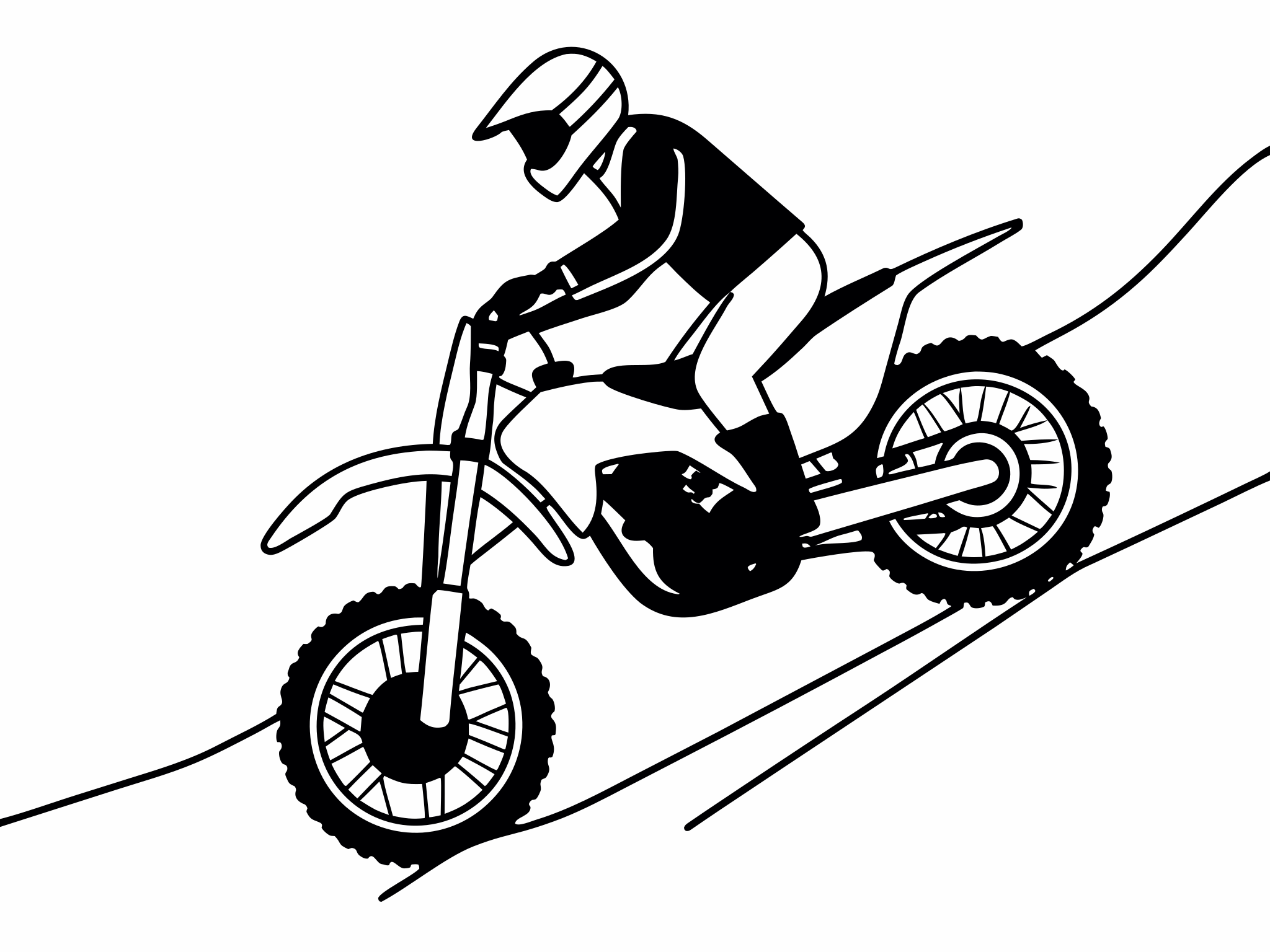 3Front BrakeFront brake technique for hard enduro: squeeze progressively, load the tyre before you brake hard, and know when to favour the rear. Setup, drills and mistakes.
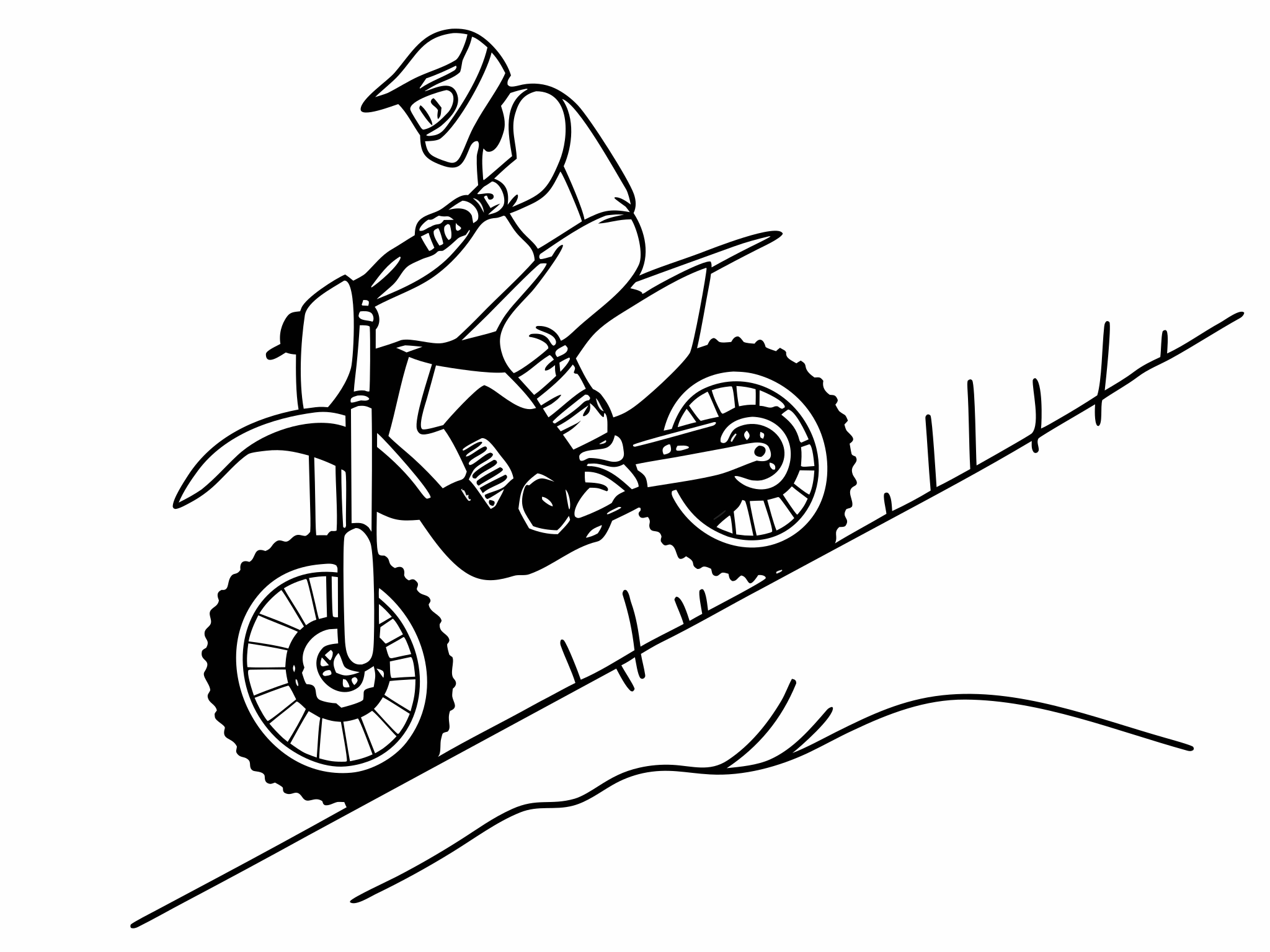 4Rear BrakeRear brake control for hard enduro: steady descents, calm tight turns, wheelie control and hill holds, plus pedal setup, drills and avoiding brake fade.
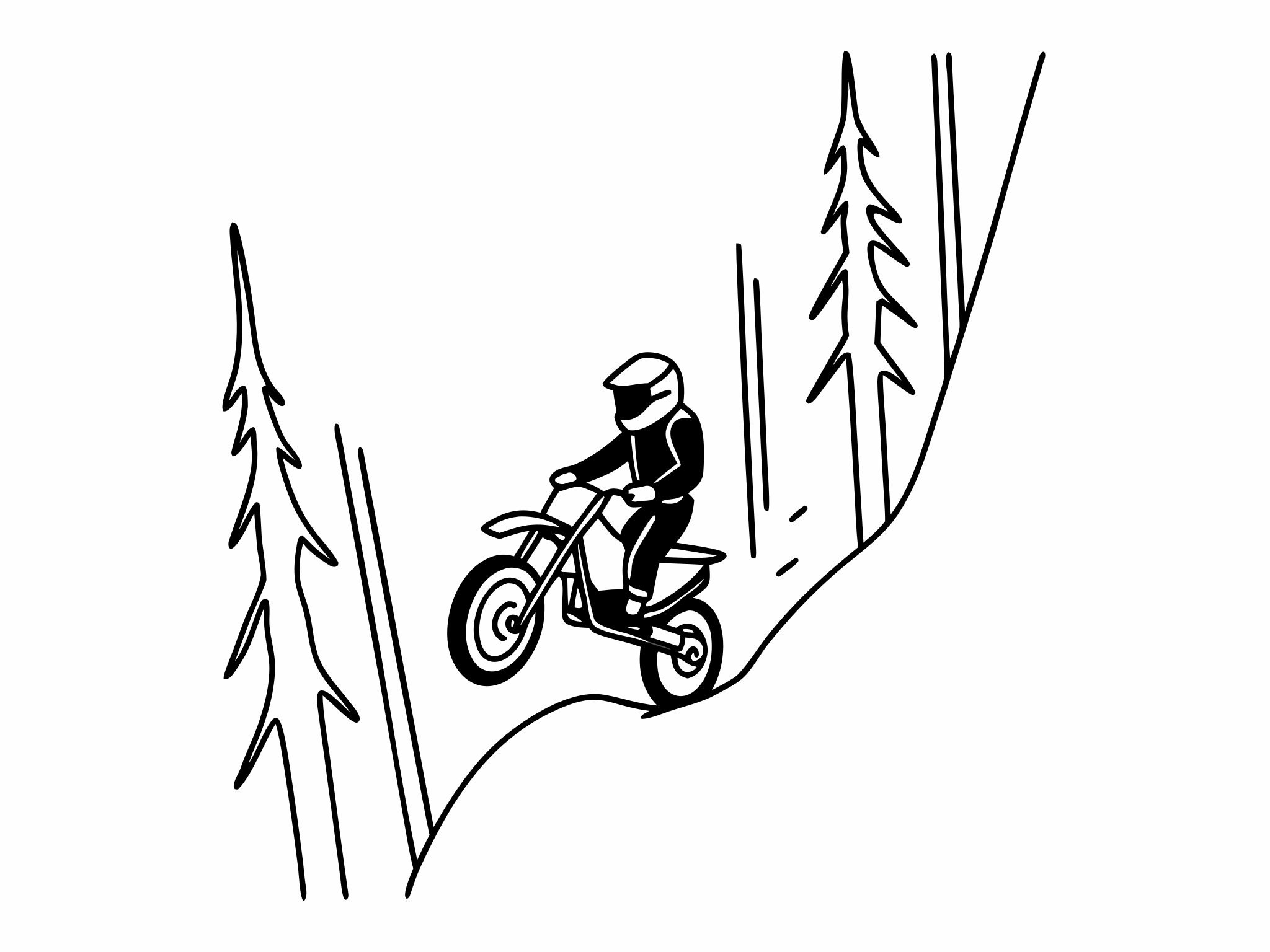 5Gear SelectionGear selection for hard enduro: when to use first, second or third, why you pick the gear before the obstacle, and how gearing affects traction and clutch heat.
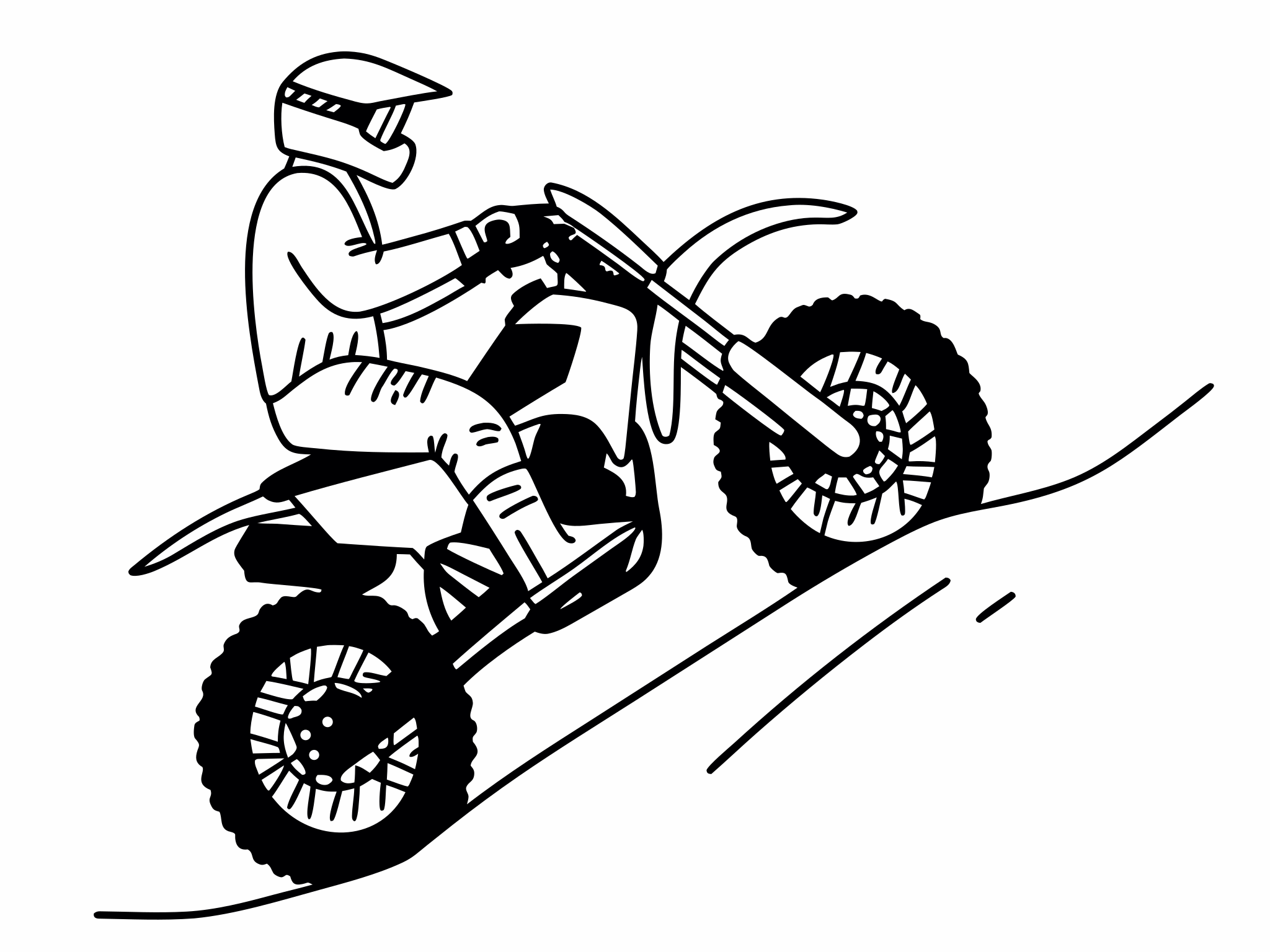 6Kill/Start ControlsKill switch, starter and hill restarts for hard enduro: hold the bike when you stall, restart in gear on a slope, and turn around when a climb fails.