Lesson 6 of 7 in Riding Fundamentals
Clutch Feathering
Clutch feathering is the continuous, fine slipping of the clutch that lets you crawl at walking pace or slower with the throttle held steady. Your fingers make small, constant movements around the bite point, and the engine note tells you which way to move them. This is the drill page: slow races, crawl lines, crawling against the rear brake, and crawling over roots, rocks and up a rocky climb. For the whole clutch skill — finding the bite point, hill holds and lifts — start with clutch control.
Updated October 2026. Sources are listed below. How we work
On this page
- Why crawling matters
- What feathering feels like
- Read the engine note
- Set up for a crawl
- Feathering against the rear brake
- Heat: the price of feathering
- Clutch feathering drills
- Feathering mistakes and their fixes
- A 30-minute crawl session
- Progress cues: you're ready to move on when…
- Clutch feathering questions
Why crawling matters
The clutch is your traction control. Feathering lets you move at sub-walking speeds and place the bike exactly where you want it.
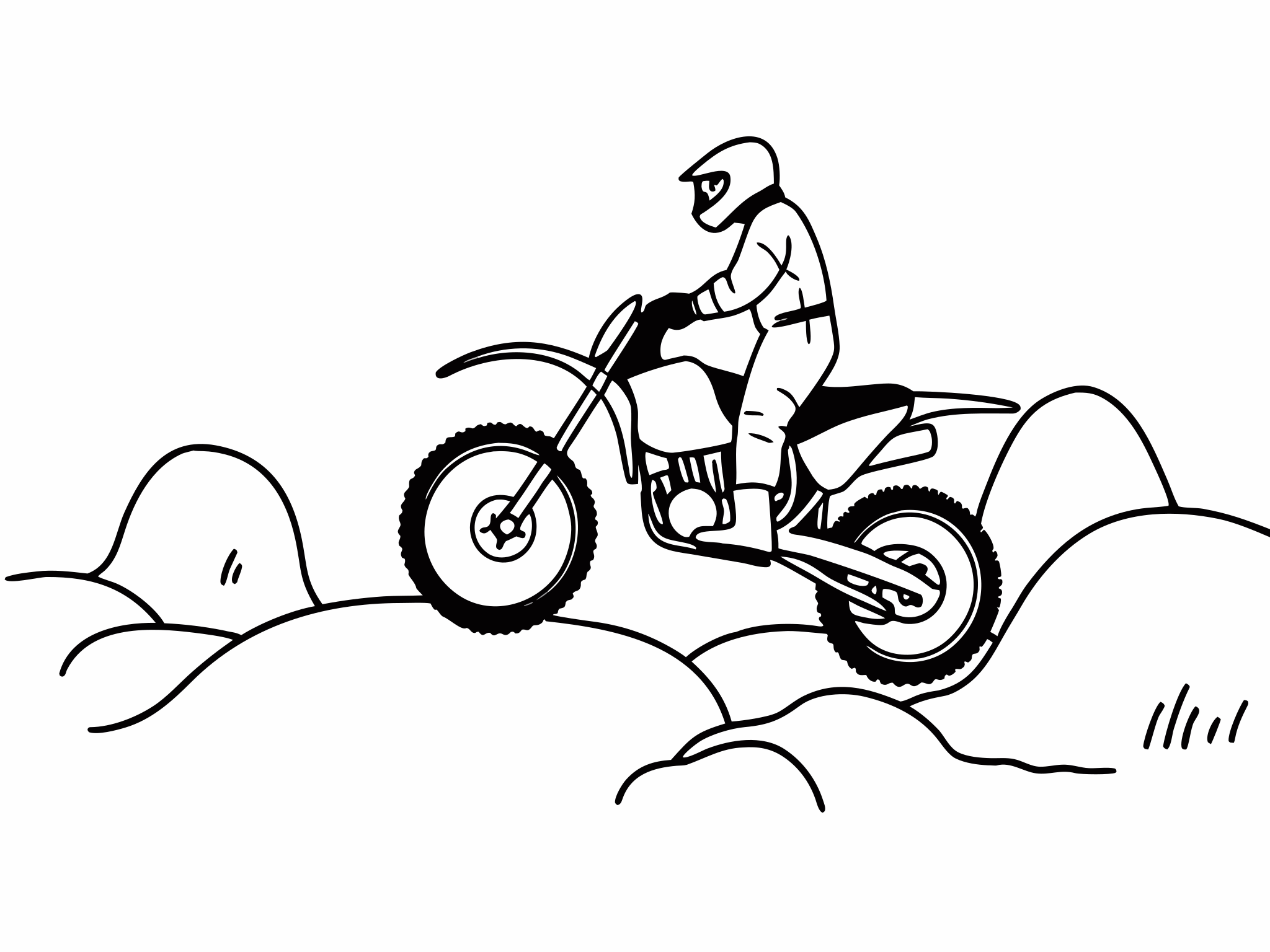
A lot of hard enduro happens at that speed: rock gardens, root-covered climbs, stream beds, steep technical sections where the next move is a metre away. Going slowly isn't the problem. Going slowly without control is: the bike stalls, lurches, spins the tyre or falls over, and you get off to push.
A controlled crawl gives you three things:
- Grip. A tyre turning slowly and steadily bites. A tyre hit with surges of drive spins.
- Time. At walking pace you can pick the next rock, see the root, and choose your line before you commit.
- Energy. Australasian Dirt Bike (ADB) editor Mitch Lees describes the payoff of a good crawl up a rocky hill: "Groveling up hills with no energy used will make a hill look easier than it is".
His instruction for the crawl is the core of this page: "meter your speed with the clutch so that your feet can walk slowly with the bike."
What feathering feels like
Feathering isn't holding the lever still at the bite point. The ground changes under you every second, so the drive has to change too. Your throttle hand stays put and your clutch fingers do the adjusting, in movements of a few millimetres:
- The bike slows but the revs hold: let the lever out a touch.
- The revs sag and the engine starts to labour: pull the lever in a touch so the revs recover, then feed it out again.
- The bike surges or the tyre starts to spin: pull it in a touch.
- The bike needs to stop: pull it in and use the rear brake.
The engine note is your gauge. Lees describes the sound to aim for as "low, almost stalling and not spiking". He calls it monotone: "You want the bike to stay at the same revs the entire time." If the revs rise and fall, your right hand is moving. If they sag, the clutch is too far out.
Good feathering is quiet. No lurches, no clutch smell, no bursts of revs. From the side it looks like the bike is idling along on its own.
Read the engine note
| What you hear or feel | What it means | What to do |
|---|---|---|
| Revs steady and low, bike creeping | It's working | Keep your fingers where they are, tiny corrections only |
| Revs sagging, engine labouring | Too much clutch out for the throttle | Pull the lever in a touch, or add a small, steady amount of throttle |
| Revs rising and falling | Your throttle hand is moving | Brace your thumb against the throttle housing and hold the grip still |
| Tyre spins, bike slews sideways | More drive than grip | Pull the clutch in slightly; don't roll off completely |
| Bike lurches forward | Lever released too far, too fast | Smaller lever movements; hold the lever still once it bites |
| Bite point moving, clutch smell | Clutch overheating | Stop and let it cool; see below |
Swipe the table sideways to see every column.
Set up for a crawl
- Gear. Second on flat or gently rolling ground. It's smoother than first and less likely to jerk. First on steep climbs and descents, where Lees describes the target crawl as "walking speed and in first gear". The gear selection lesson explains why.
- Throttle. Set it slightly above idle and leave it. On a two-stroke, a little more engine speed makes the crawl much more stable.
- Fingers. One or two fingers on the lever. Lees: "Four fingers on the levers will limit your feel and cause fatigue."
- Right foot. Over the rear brake pedal. You'll use it constantly.
- Stance. Standing on flat ground and over roots and rocks, knees soft and weight through the pegs. On a steep, rocky climb where you're learning, sitting with your feet ready to paddle is acceptable. That's the technique Lees teaches on the climb.
Feathering is also easier on a clutch that's adjusted and serviced. A cable clutch needs the right free play; a hydraulic one needs clean fluid. The clutch control lesson covers lever setup.
Feathering against the rear brake
The most useful crawl technique in hard enduro is to feather the clutch against a light, steady drag of the rear brake.
The brake gives the drive something to push against. Instead of balancing a slipping clutch against nothing, you balance it against a constant resistance. Small clutch movements then make even smaller changes in speed, and the bike can't run away. It also keeps the drivetrain loaded, so there's no slack to snatch when the tyre hits a rock.
Dirt Bike Magazine's balance feature describes a rider on a rock ledge who "held pressure with the rear brake and clutch while applying steady throttle". That's the same technique at a standstill. Use it at walking pace through rocks and roots, on tight turns and on steep descents where you need drive and braking at once.
Keep the drag light. The rear brake heats up, just like the clutch. The rear brake lesson covers fade.
Heat: the price of feathering
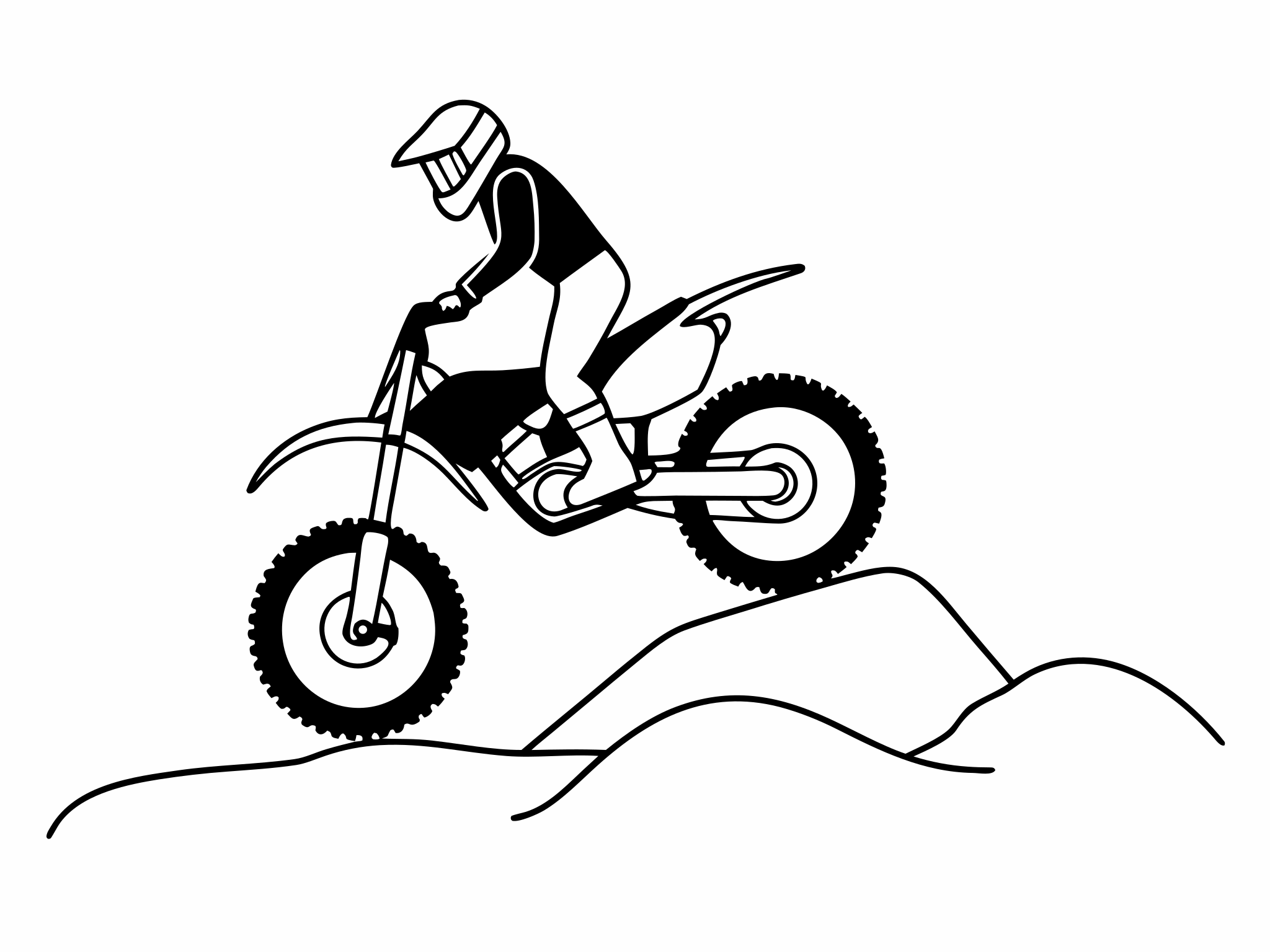
Every second the clutch slips, it turns energy into heat in the plates and the oil. KTM's owner's manual for its 250 and 300 two-strokes warns against frequent and long clutch slipping because it heats the gear oil, engine and cooling system, and advises riding at low engine speed rather than high revs with a slipping clutch.
At hard enduro races it adds up fast. Enduro21 reported knowing of Sherco riders "replacing their clutches every day at an event like Romaniacs". Cooper Abbott told Enduro21 that on long uphills with a clutch that faded, "I would have to either stall the bike or pretty much just give up".
Keep your clutch alive:
- Feather only when you need to. Let the lever fully out whenever the ground allows it.
- Low revs, not high revs. A steady low engine speed with a light slip makes far less heat than high revs and a lot of slip.
- Use a lower gear when the crawl gets long, so the engine can pull without so much slip.
- Expect more slip with less power. On a climb at Sea to Sky, Graham Jarvis notes that altitude cuts the bike's power, and on a 250 that means "a lot more slip in the clutch". A small bike or thin air will heat the clutch sooner.
- Watch the signs. A bite point that moves, a lever that feels different or a hot smell means stop and let it cool.
- Rest in practice. Two minutes off every ten.
Clutch feathering drills
Do these in order. The first three need only flat ground and some markers. Keep the throttle still in every drill: if the engine note moves, your right hand is cheating.
1The slow race
Mark a straight 20-metre lane with a start and finish. Ride it in second gear, standing, as slowly as possible without putting a foot down. Time it, and beat your time each run. If you dab, the run doesn't count.
2Crawl the line
Lay a rope, a hose or a line of tape on the ground. Crawl along it with the front tyre on the line the whole way. This adds precision to slowness: small steering corrections at crawl speed only work if the drive is steady.
3Crawl against the brake
Repeat the slow race with a light, constant drag on the rear brake. Notice how much steadier the bike is. Then vary the drag: a bit more brake needs a touch more clutch out to keep moving. You're learning to use the two together.
4Crawl turns
Crawl a slow circle about two bike-lengths across, then reverse direction. Keep the same crawl speed through the whole turn. This is the bridge to the full-lock figure-eights, where the turns get tighter.
5Roots and small rocks
Take the crawl onto a trail with roots and fist-sized rocks. Crawl over each one without a change in engine note. As the front wheel meets an edge, feed in a little clutch; as it rolls over, pull a little back. Let your legs absorb the bump so your hands stay still.
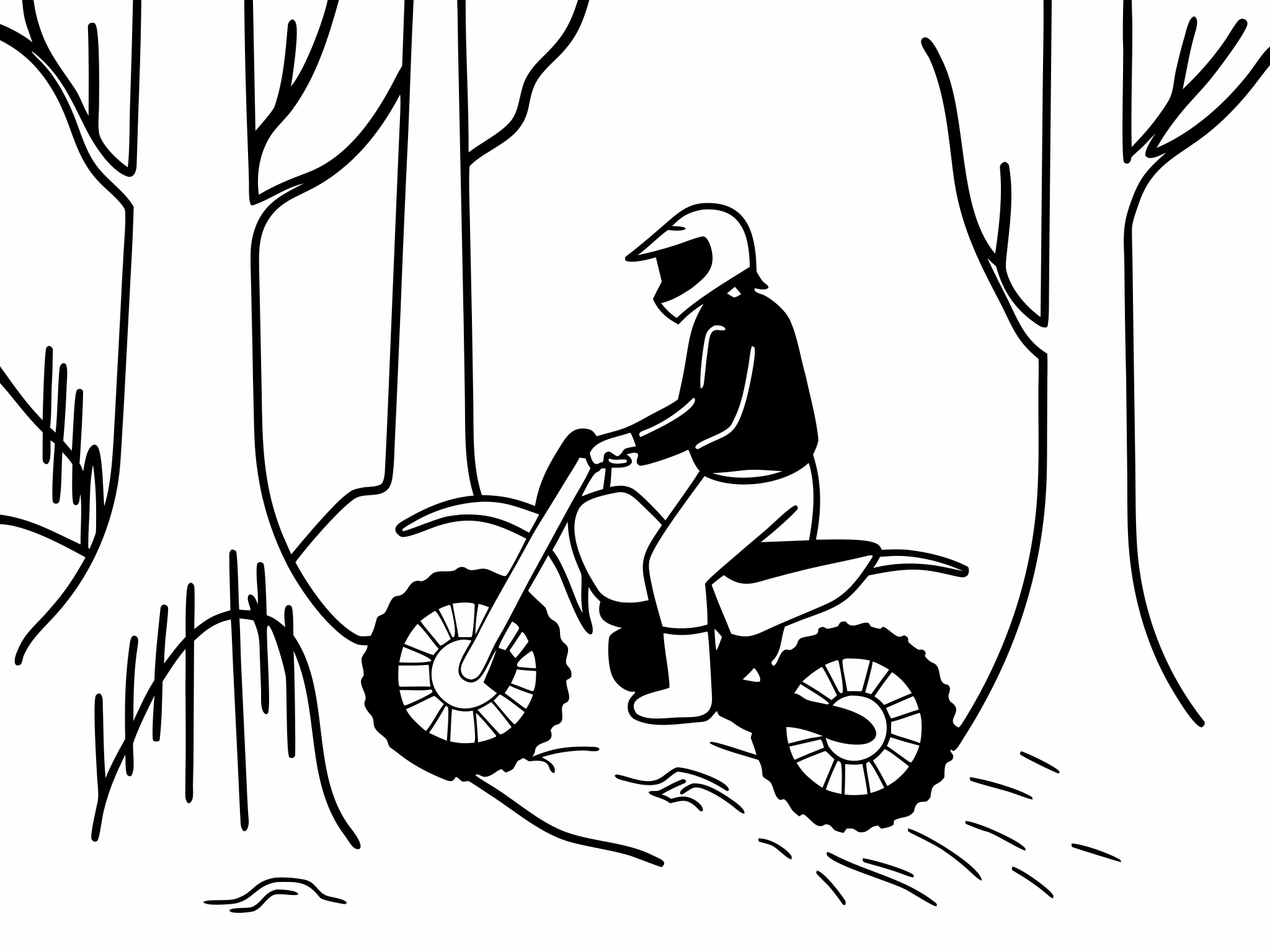
Roots are where feathering pays: a steady crawl grips where a burst of drive would spin. 6Crawl and blip on a rocky climb
Find a hill at least 20 metres long with some small ledges. In first gear, find the bite and crawl up at walking pace. Lees' method is to walk your feet alongside for balance, not dragging them. At each small ledge, pop the front a few centimetres, then ease the clutch back in and keep crawling. Keep the engine note flat the whole way.
Feathering mistakes and their fixes
Using the throttle to control speed.
Fix: Set the throttle and leave it. If it keeps moving, brace your thumb against the housing. Speed changes come from the clutch.
Holding the lever still and hoping.
Fix: The ground changes every second, so the drive must too. Make small, constant corrections: out a touch as the bike slows, in a touch as it surges.
Revs too high "to be safe".
Fix: High revs plus a slipping clutch makes the most heat and the harshest bursts of drive. Use a low, steady engine speed and a lower gear.
Stalling as the front wheel meets a root or rock.
Fix: The obstacle needs more drive for a moment. Keep the clutch slipping as the front meets it. If the revs start to sag, pull the lever in a touch so they recover, then feed it out again as the wheel climbs.
Crawling in first on flat ground.
Fix: First is jerky on the flat. Try second: the same clutch movements give smoother changes in speed.
Feathering the whole trail.
Fix: Only feather where the terrain needs it. Let the lever fully out on easy ground to give the clutch time to cool.
A 30-minute crawl session
Flat ground with markers, plus a short trail with roots or rocks nearby. Two minutes' rest every ten.
| Time | Drill | What to focus on |
|---|---|---|
| 0–5 min | Slow race, second gear, standing | Time each run. No dabs. |
| 5–10 min | Crawl the line | Front tyre on the line, engine note flat. |
| 10–15 min | Slow race with light rear brake drag | Clutch against brake; notice the extra stability. |
| 15–20 min | Crawl circles, both directions | Same speed all the way round. |
| 20–30 min | Roots and small rocks on a trail | No change in engine note over each obstacle. |
Swipe the table sideways to see every column.
Progress cues: you're ready to move on when…
- You can ride the 20-metre slow race without a dab, and your times keep getting slower.
- Your engine note stays flat through a whole crawl, including over roots and small rocks.
- You can crawl a circle two bike-lengths across in both directions at the same speed.
- The bike never lurches when you start moving or when the tyre meets an edge.
- After 30 minutes of drills the bite point hasn't moved and there's no clutch smell.
Clutch feathering questions
What's the difference between clutch feathering and clutch control?
Clutch control is the whole skill: finding the bite point, creeping, holding on slopes and lifting the front. Feathering is one part of it — the continuous fine slipping that keeps the bike crawling. This page is the drills for that one part. The clutch control lesson covers everything else.
Does feathering wear out the clutch?
Everything that slips the clutch wears it. Short, low-rev slips at walking pace are what the clutch is for off-road. Long slips at high revs cook it. Let the lever out fully whenever you can and rest it in practice.
Do I need to feather with an auto clutch?
Less. An auto clutch engages on engine speed, so the bike doesn't stall at a standstill in gear and you can crawl on the throttle. It still lets you pop the clutch for obstacles. Keefer Inc. Testing's review of a Rekluse unit warns that also slipping it hard by hand "may overheat the Rekluse", and that with the engine off on a hill, the bike rolls back as if the clutch were pulled in.
Should I feather standing or sitting?
Standing for flat ground, roots and rocks: your legs absorb the bumps, so your hands stay steady. On a steep, rocky climb while you're learning, sitting with your feet ready to paddle is a sound way to crawl up.
All lessons in Riding Fundamentals
Related lessons and guides
- Clutch controlThe full clutch skill, from bite point to lifts.
- ThrottleThe steady right hand that makes feathering work.
- Full-lock figure-eightsFeathering through the tightest turns.
- Hill climbs and descentsCrawling up and down steep ground.
- Enduro gearing guideGearing that makes crawling easier on the clutch.