Course 3 of 5 · Advanced
Advanced Skills (Precision Control)
Wheelies and stoppies are not party tricks in hard enduro. They are tools to place the bike where the terrain demands. A controlled wheelie carries the front wheel over holes, roots, water and log faces while the rear keeps driving. A stoppie lifts the rear with the front brake so you can swing it round where there's no room to ride a turn. This course explains the physics behind both, what you need to master first, and how to build the skills without unnecessary risk.
Updated September 2026. Sources are listed below. How we work
On this page
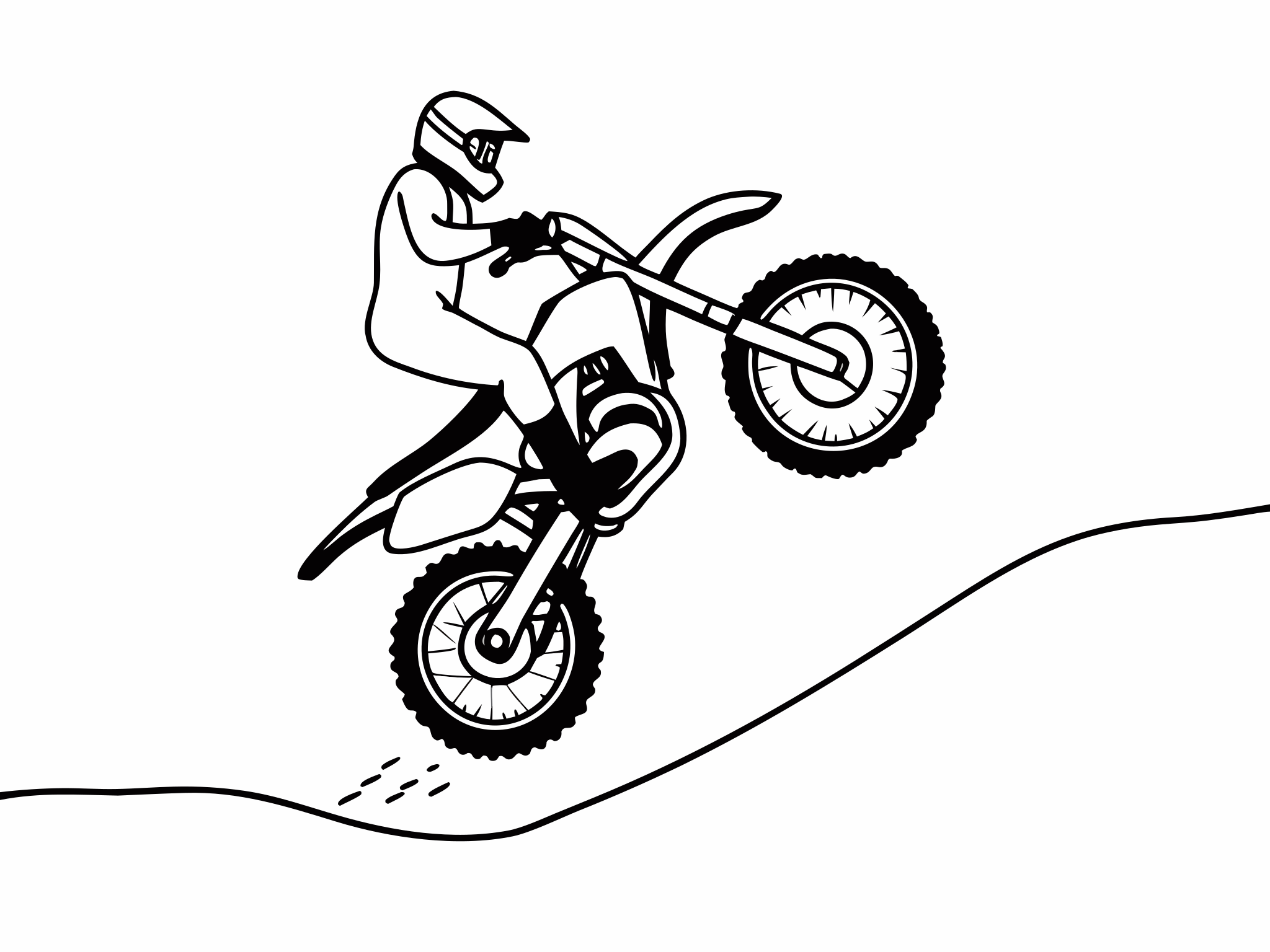
What this course covers
Two lessons, one idea: lifting a wheel on purpose, holding it where you want it and putting it down on command.
- Controlled wheelies: the power and clutch wheelie, the balance point, and the rear brake as your safety net.
- Stoppies: lifting and moving the rear with the front brake, from small lifts on flat ground to the downhill stoppie turn.
Both build on the front-end lifts you learned in the fundamentals, and both feed straight into the obstacle lessons in Advanced Techniques: logs and rocks, pivot turns and hill climbs and descents.
Dirt Rider's Chris Denison sums up why the wheelie matters off-road: it can help "from lofting the front end over a log, to setting the bike up to blitz through a whoop section". Australasian Dirt Bike (ADB) presents its wheelie-to-stoppie drill the same way, as "not a show-off trick" but "one way to improve your brake and throttle control."
The physics: weight transfer, the balance point and brake control
You don't need equations. You need three ideas.
Weight transfer. Accelerate and weight moves to the rear: the fork extends and the front gets light. Brake and weight moves to the front: the fork compresses and the rear gets light. Every wheelie uses the first. Every stoppie uses the second. Your body adds to either: move your weight back and the front lifts more easily; move it forward and the rear does.
The suspension as a spring. Push the fork down and it springs back up. Time a burst of drive with that rebound and the front rises with far less throttle. Load the rear suspension and release it with the front brake on and the rear lifts. Good riders time their inputs to the suspension instead of using force.
The balance point. Lift a wheel high enough and the bike balances on the other one. In a wheelie, the bike rotates round the rear axle. In a stoppie, round the front axle. Near the balance point the bike takes very little effort to hold. Past it, it goes over. Most hard enduro lifts stay well below it.
Brake control. Each skill has one brake that controls it:
- In a wheelie, the rear brake stops the rear wheel turning, so the bike pitches forward and the front drops. It works immediately, whatever the engine is doing. Cycle World: "If the bike's starting to loop out, stab the rear brake and the front end will drop back down."
- In a stoppie, the front brake holds the rear up. Releasing it brings the rear down. There is no other control: Cycle World warns that "If a stoppie goes bad, all you can do is release the front brake, but there's a good chance it's all over."
That difference is why wheelies come first and stoppies second.
Wheelies and stoppies side by side
| Controlled wheelie | Stoppie | |
|---|---|---|
| Wheel lifted | Front | Rear |
| What lifts it | Preload, then drive from the throttle or clutch | Front brake and forward weight transfer |
| Control that brings it down | Rear brake | Releasing the front brake |
| Main risk | Looping out backwards | Going over the bars, or the front tyre sliding |
| Hard enduro use | Holes, roots, water, log faces, ledges | Tight switchbacks, lining up the rear, downhill turns |
| Learn on | Flat, grippy ground, seated, first gear | Flat, grippy ground, standing, walking pace |
Swipe the table sideways to see every column.
Before you start this course
These skills are built on the fundamentals. You're ready when you can do all of these.
- Lift the front a few centimetres and set it down with a rear brake tap: the "rise, tap, settle" drill in the rear brake lesson.
- Make two-stage front brake stops on flat ground without a skid. See the front brake lesson.
- Balance the bike at a standstill with both feet on the pegs for a few seconds. See static balance.
- Ride full-lock figure-eights in both directions without a dab.
- Lift the front wheel onto a low kerb or log at walking pace. See front-end lifts.
How to practise without unnecessary risk
Both skills can hurt you if they go wrong, and both are safe to learn if you set up properly.
- The right ground. Flat, firm and grippy, with space all round and nothing to hit. ADB's drill asks for ground that is "flat and has heaps of traction". Loose, wet and sloping ground comes last.
- Private land. Practise where you have permission to ride. Never on a road or a shared trail.
- Full protection. A properly fitting helmet, boots, knee protection, gloves and a chest protector for every attempt. Cycle World's wheelie advice: "wear all of the protective gear that you possibly can."
- A checked bike. Both brakes working, with free travel and no drag. Levers and pedal set for your riding position.
- Small first. Height is the last thing you add. ADB's advice for its drill is to "just start small".
- Short sessions. Clutch wheelies heat the clutch, and hard front braking tires your forearms. Twenty to thirty minutes with rests is plenty. Stop when you're tired. That's when control goes.
- A plan for when it goes wrong. Before each session, remind yourself: rear brake for a wheelie, release the front brake for a stoppie.
What you'll get better at
- Finding and holding the wheelie balance point with rear brake control, and more usefully, holding a low wheelie exactly as long as the obstacle needs.
- Using controlled front-brake pressure to pivot direction with small stoppies and nose pivots.
- Staying relaxed so the bike, not your arms, does the work. Both skills are about timing with the suspension, not strength.
Chris Birch's Enduro21 wheelie tutorial makes the same point from the other side: there are "3 ways to wheelie a dirt bike", and it's "not all about showing off!" The payoff is on the trail, where the front wheel clears the hole and the rear swings round the tree without you getting off.
Advanced skills questions
Do I need wheelies and stoppies for hard enduro?
You need controlled front-wheel lifts for almost every log and ledge, and a low wheelie makes holes, roots and water much easier. Stoppies are less essential but save a lot of energy in tight, steep terrain.
Which should I learn first?
Wheelies. The rear brake gives you a reliable safety net. A stoppie only has one: releasing the front brake. Learn to lift and control the front before you lift the rear.
Can I learn these on any bike?
Yes, if the brakes work well and the clutch is in good condition. A bike with a smooth, predictable clutch and a well-set rear brake pedal makes it much easier. The bike setup lesson covers the basics.
Lessons in this course
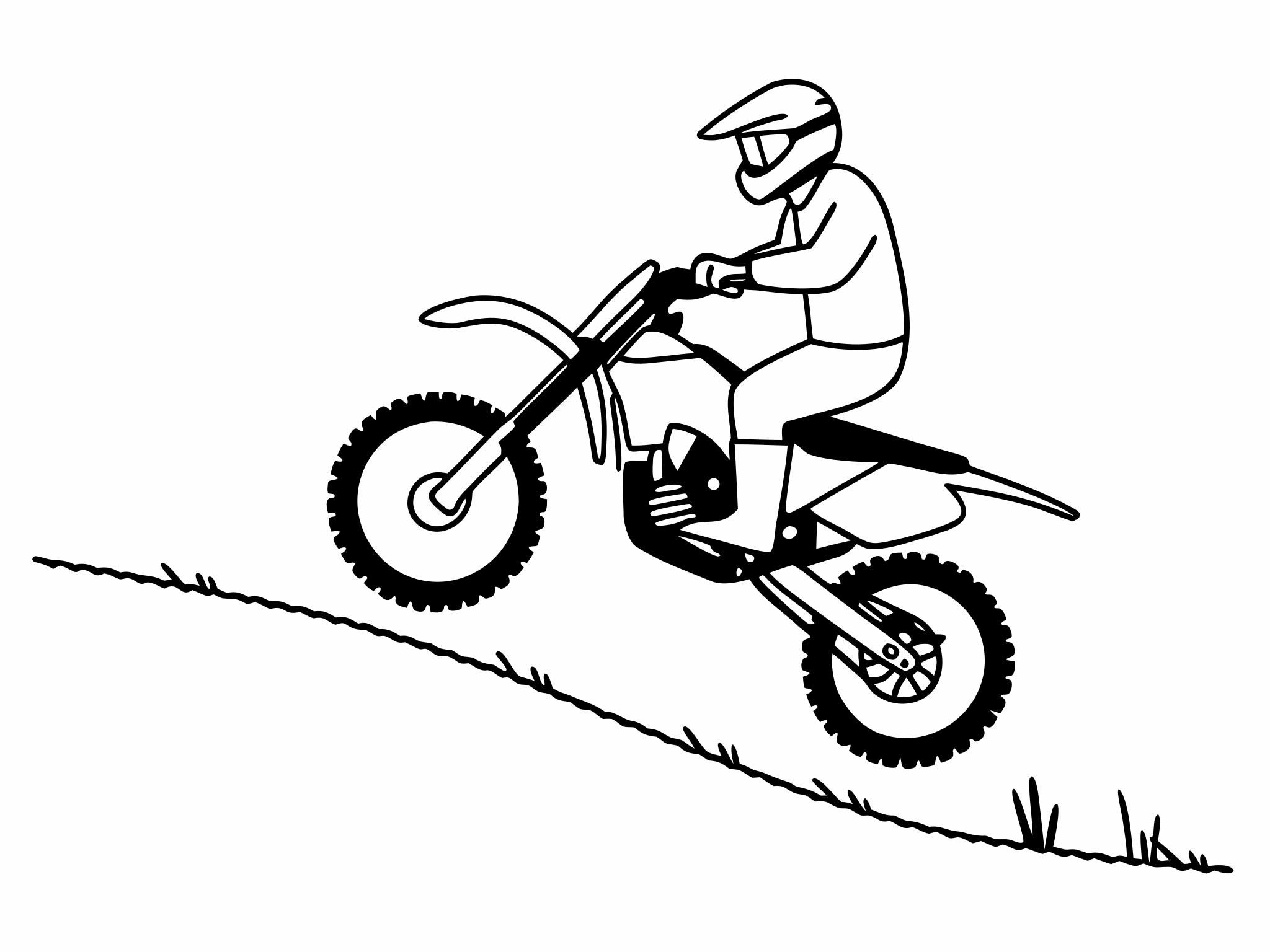 1Controlled WheeliesControlled wheelies for hard enduro: power and clutch wheelies, the balance point, the rear brake as your safety net, and drills for holes, roots and logs.
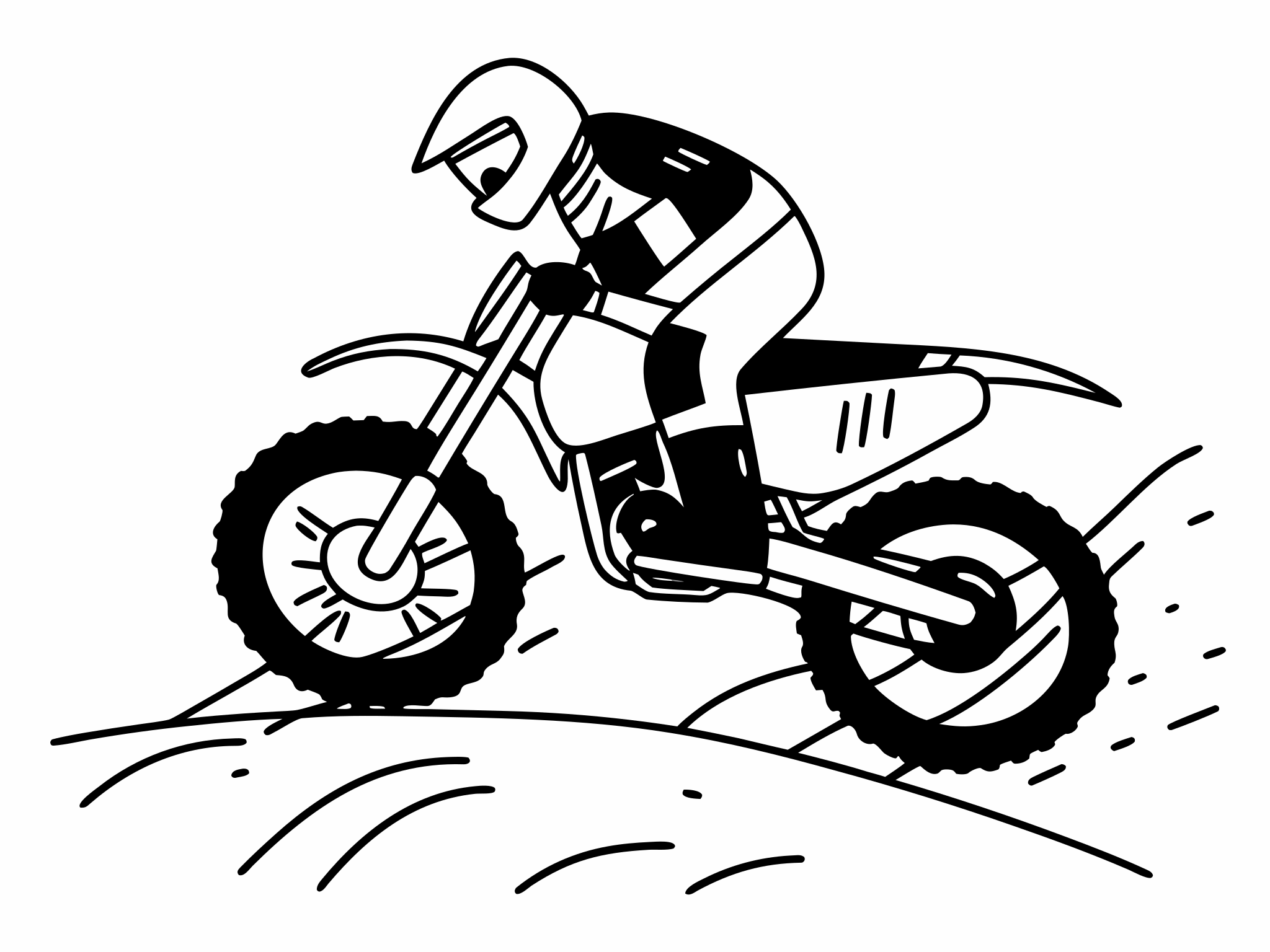 2StoppiesStoppies for hard enduro: use the front brake to lift and swing the rear wheel on tight switchbacks and steep downhill turns. Technique, safety and drills.