Course 4 of 5 · Advanced
Advanced Techniques
Advanced techniques are the six problem-solvers of hard enduro: pivot turns for places too tight to steer, logs and rocks for obstacles you ride over, mud, sand, roots and slick rock for ground that won't grip, hill climbs and descents for steep ground, water crossings for rivers and bogs, and splatters for short vertical faces. A seventh lesson, picking up and unsticking your bike, covers what to do when it goes wrong. None of them is a new control. Each one is the fundamentals — clutch, brakes, throttle and body position — used on terrain where a mistake costs more. Learn them in that order, one at a time, small and easy first.
Updated October 2026. Sources are listed below. How we work
On this page
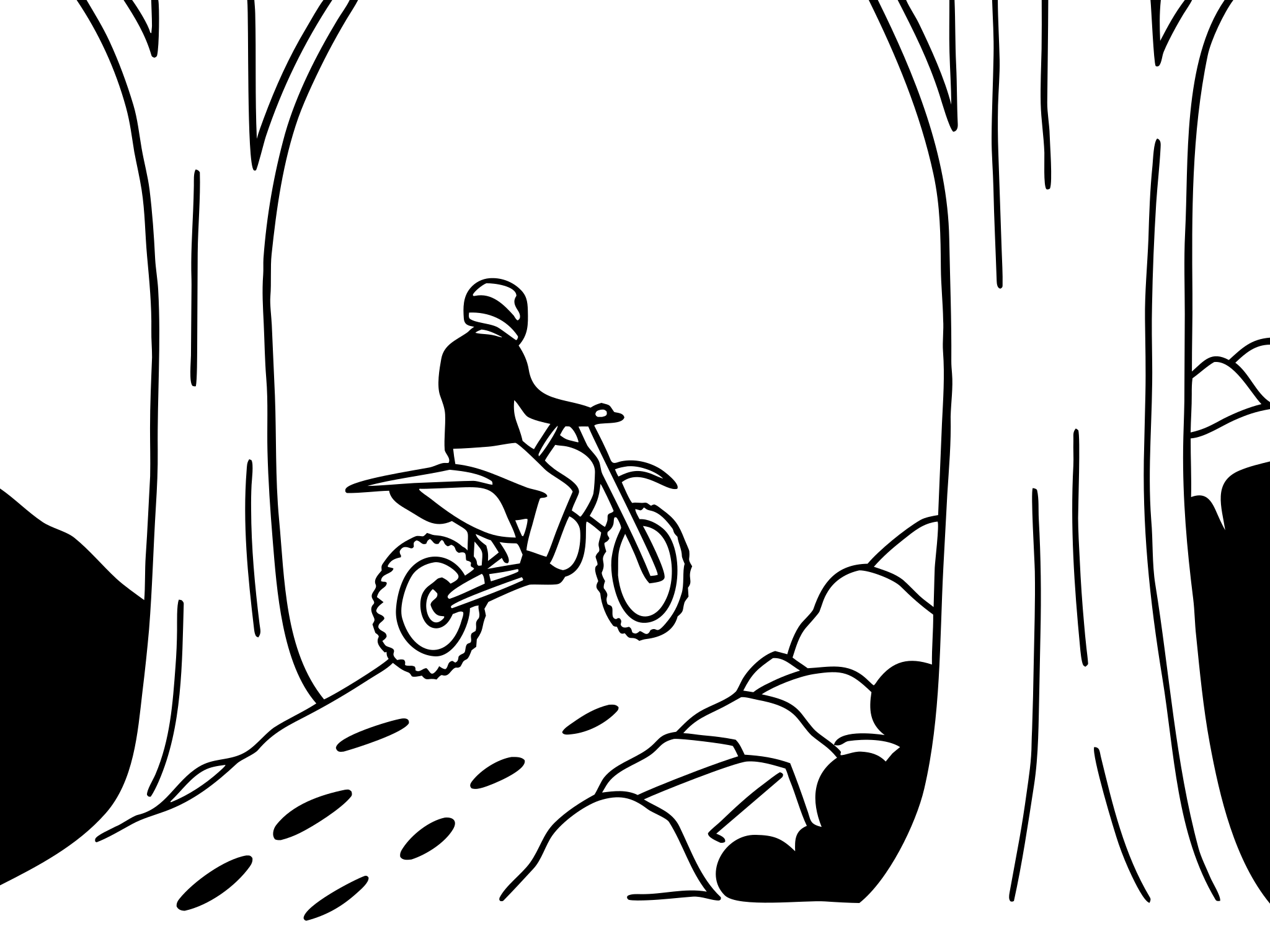
What this course covers
The fundamentals teach you to control the bike on flat, grippy ground. This course takes that control onto the terrain that makes hard enduro what it is. Each lesson solves a problem you will meet on almost every hard enduro ride:
- Pivot turns: changing direction on a switchback, between two trees or on a hillside, where there is no room for a normal turn.
- Logs and rocks: getting both wheels over a log, a ledge or a rock garden without stalling, bashing the engine or losing the front.
- Mud, sand, roots and slick rock: keeping grip and drive when the ground itself is the problem.
- Hill climbs and descents: getting up steep, loose ground with traction, getting down it under control, crossing off-camber side-hills, and bailing out safely when a climb fails.
- Water crossings: reading a river, crossing it without drowning the engine, and what to do if you do.
- Splatters: climbing a short vertical face by hitting it with the front wheel and driving the rear up after it.
- Picking up and unsticking your bike: lifting a downed bike without hurting your back, and getting a bike off a log or rock, or out of a hole.
Chris Hollis made the point to Transmoto that in technical terrain your mental approach "will only get you so far, and at the end of the day, it comes down to your throttle, brake and clutch control." That's the whole idea of this course. Every technique here is those controls, timed and placed.
The techniques at a glance
The prerequisites are the lessons you should find easy before you start. If a technique keeps going wrong, the problem is usually in the prerequisite, not the technique.
| Technique | What it solves | Prerequisites | First place to practise |
|---|---|---|---|
| Pivot turns | Switchbacks, tight trees, turning round on a trail | Figure-eights, static balance, front-end lifts, front brake | Flat, grippy ground with two markers |
| Logs and rocks | Fallen trees, ledges, rock gardens | Front-end lifts, clutch control | A log or step lower than your front axle |
| Mud, sand, roots and slick rock | Mud, sand, wet roots, slick rock | Gear selection, body positioning, logs and rocks | A muddy or sandy patch with a few roots, the day after rain |
| Hill climbs and descents | Steep, loose, rutted slopes up and down | Gear selection, kill/start, rear brake | A short, grippy hill with a flat run-out |
| Water crossings | Rivers, streams, flooded ruts | Throttle, body positioning | A shallow, slow, clear stream you have walked |
| Splatters | Short vertical faces with no ramp | Pivots, logs and hills first, plus wheelies | A low, solid bank with a soft run-out |
| Picking up and unsticking your bike | A bike on its side, hung up or dug in | Kill/start, clutch control | A small bike on flat ground, then a low log |
Swipe the table sideways to see every column.
How to approach this course
One context at a time. Take one technique onto easy terrain and stay there until it is boring. Only then make it steeper, looser, taller or wetter — and change one of those at a time, not all four.
Scout before you ride. Walk the line. Look at the take-off, the landing and where the bike goes if it goes wrong. Most failures on hard terrain are decided before the front wheel touches the obstacle: wrong gear, wrong line, wrong speed.
Use a spotter when the consequence is high. A second rider standing where the bike would land or roll back turns a big mistake into a small one. On a climb or ledge, they stand to the side, never in the bike's path.
Use the STOP/GO framework. Before anything with a real consequence, run the STOP/GO criteria. Tired, cold, sore or rushed is a STOP. So is a line you can't see the end of. There is no prize for the attempt that hurts you.
Keep sessions short. These techniques are hard on the clutch, the bike and your body. Ten good attempts beat forty tired ones. Stop while you are still getting better, not after you've started getting worse.
The order to learn them
Work through the lessons in the order they are listed.
- Pivot turns first, because they happen at walking pace on flat ground and teach you to use both brakes and the clutch together while the bike is barely moving. Almost everything later needs that.
- Logs and rocks next, because they turn the front-end lift into a real obstacle skill. Small logs are the safest place to learn timing. Then take the same control onto mud, sand, roots and slick rock.
- Hill climbs and descents once you can stall, hold and restart the bike calmly, because every steep hill will make you do it.
- Water crossings whenever your rides need them. The riding is simple; the judgement is what matters.
- Splatters last. Dirt Bike Magazine's splat feature says "this move is all about timing". It needs front-end lifts, logs and hill skills working without thought.
Picking up and unsticking your bike is worth reading early. Every technique here will sometimes leave the bike on its side or stuck.
You will overlap them, and that's fine. The order is about where to spend most of your practice time, not a rule against trying a small log before you've mastered pivots.
You're ready for this course when…
Check these against the fundamentals before you start:
- You can ride slow full-lock figure-eights in both directions without putting a foot down.
- You can lift the front wheel a few centimetres on command and bring it down with the rear brake.
- You can stall on a gentle slope, hold the bike on the rear brake and restart without rolling back.
- You ride standing by default, with your knees and elbows bent and your eyes up.
- You can stop and balance for a few seconds to look at a line.
- You know your own STOP signs and will turn round when you see one.
Advanced techniques questions
Do I need a hard enduro bike for these techniques?
No. Any dirt bike with a manual clutch, decent tyres and protection under the engine will do. Lighter bikes with soft, tractable engines make the learning easier, which is why many riders use 250 and 300 two-strokes. The hard enduro 300 two-stroke buyer's guide compares them.
What if I keep failing the same technique?
Go back one step. Make the obstacle smaller or the hill shorter, and check the prerequisite lesson. A repeated failure is usually one control — often the clutch or the rear brake — not the technique itself.
Lessons in this course
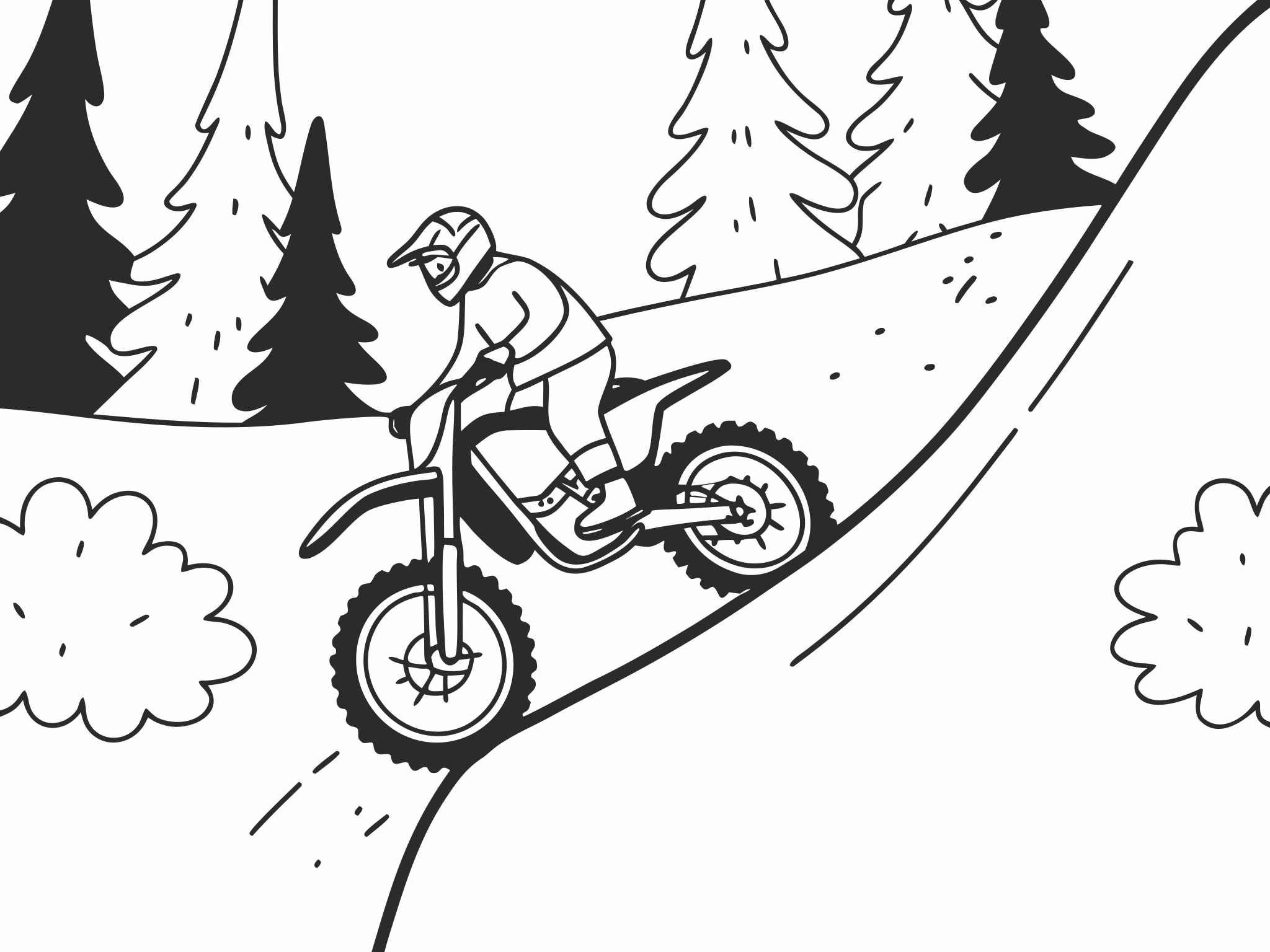 1Pivot TurnsPivot turns for hard enduro: brake-slide, rear-wheel and front-wheel pivots for switchbacks, tight trees and steep hills, with drills and a session plan.
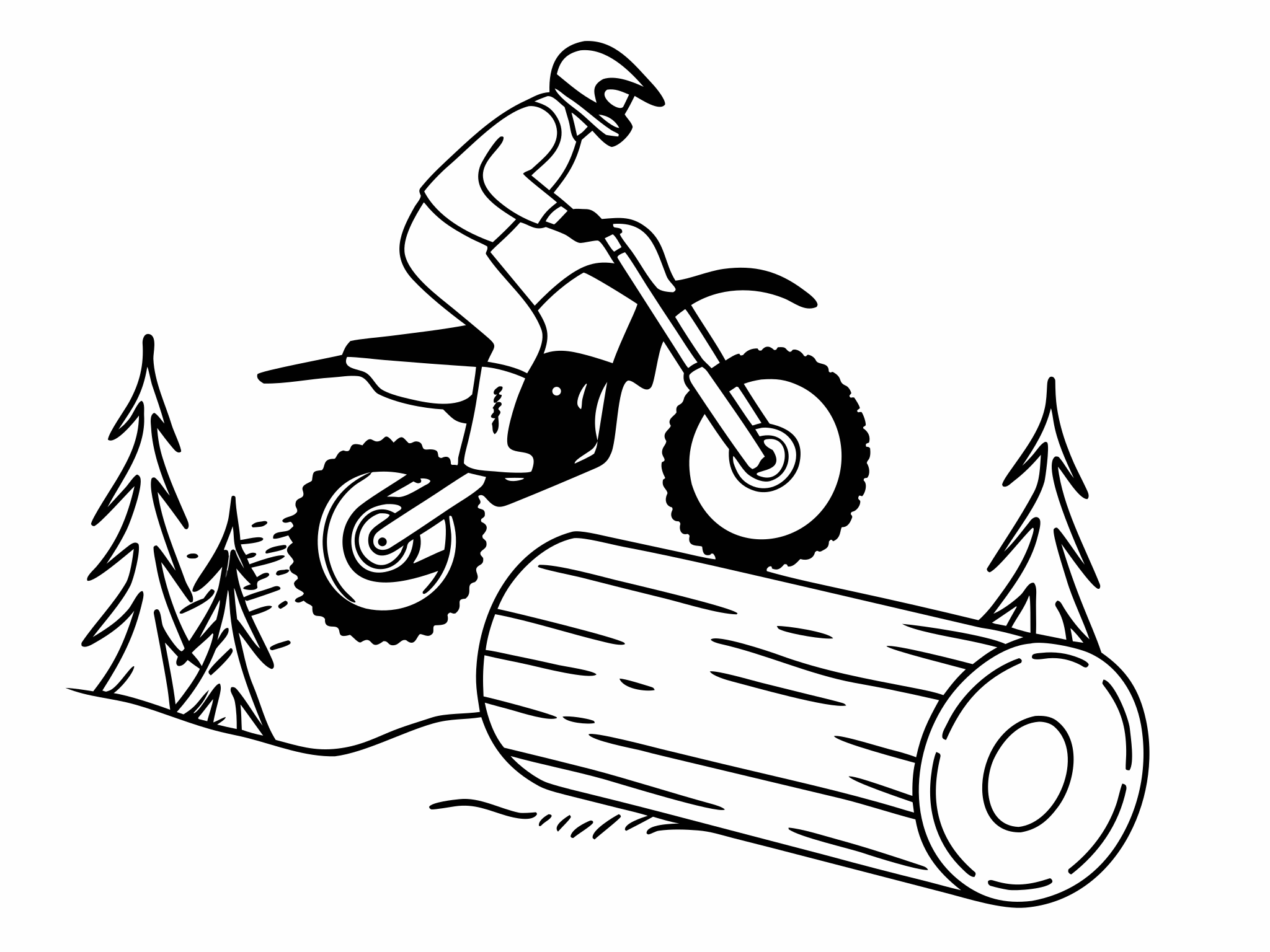 2Logs & RocksHow to ride logs and rocks in hard enduro: the double blip, big and wet logs, rock gardens and ledges, with line choice, gear, drills and common mistakes.
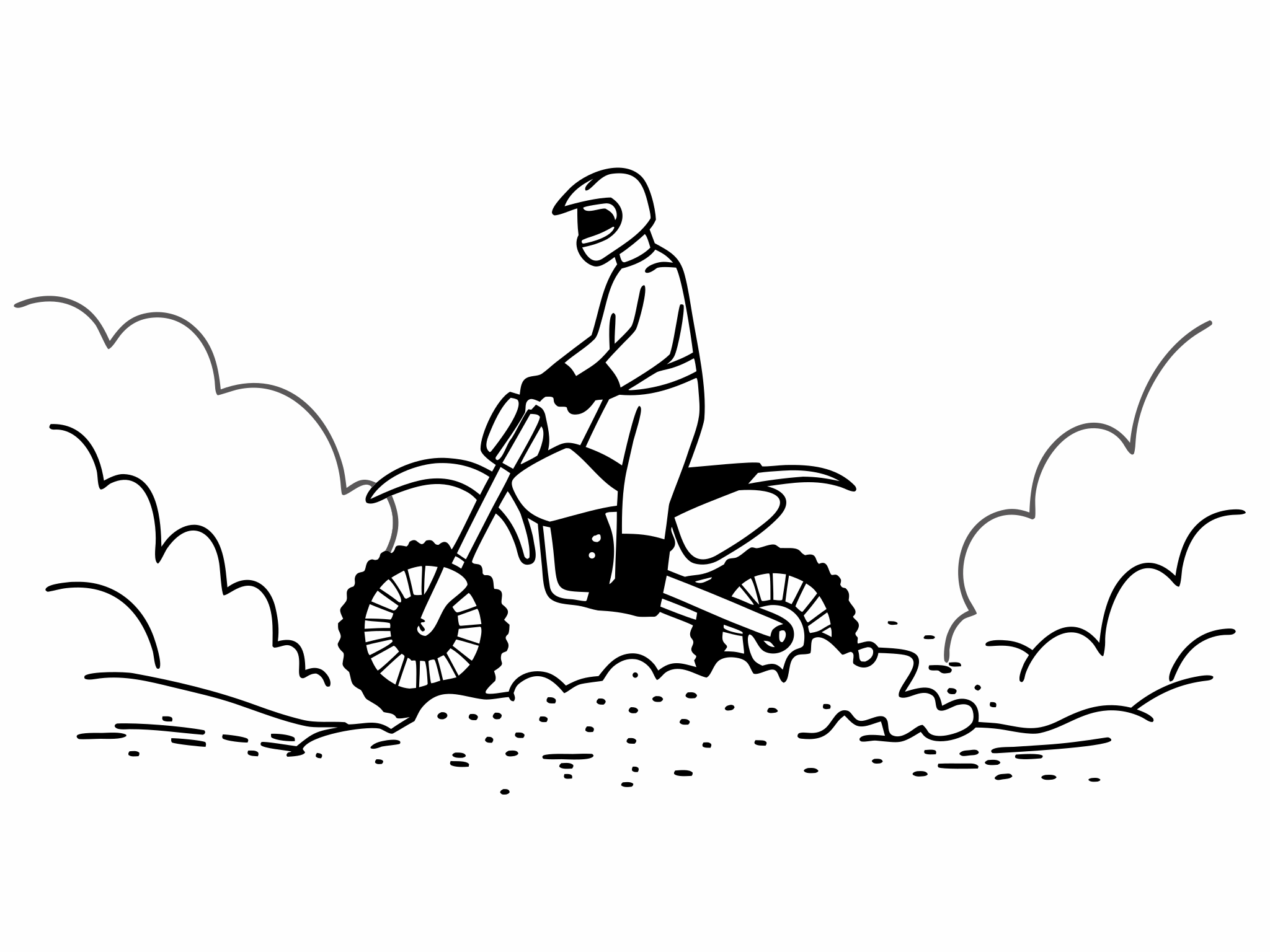 3Mud, Sand, Roots and Slick RockHow to ride mud, sand, wet roots and slick rock on an enduro bike: what the bike does on each, body position, throttle and clutch, line choice and the mistakes.
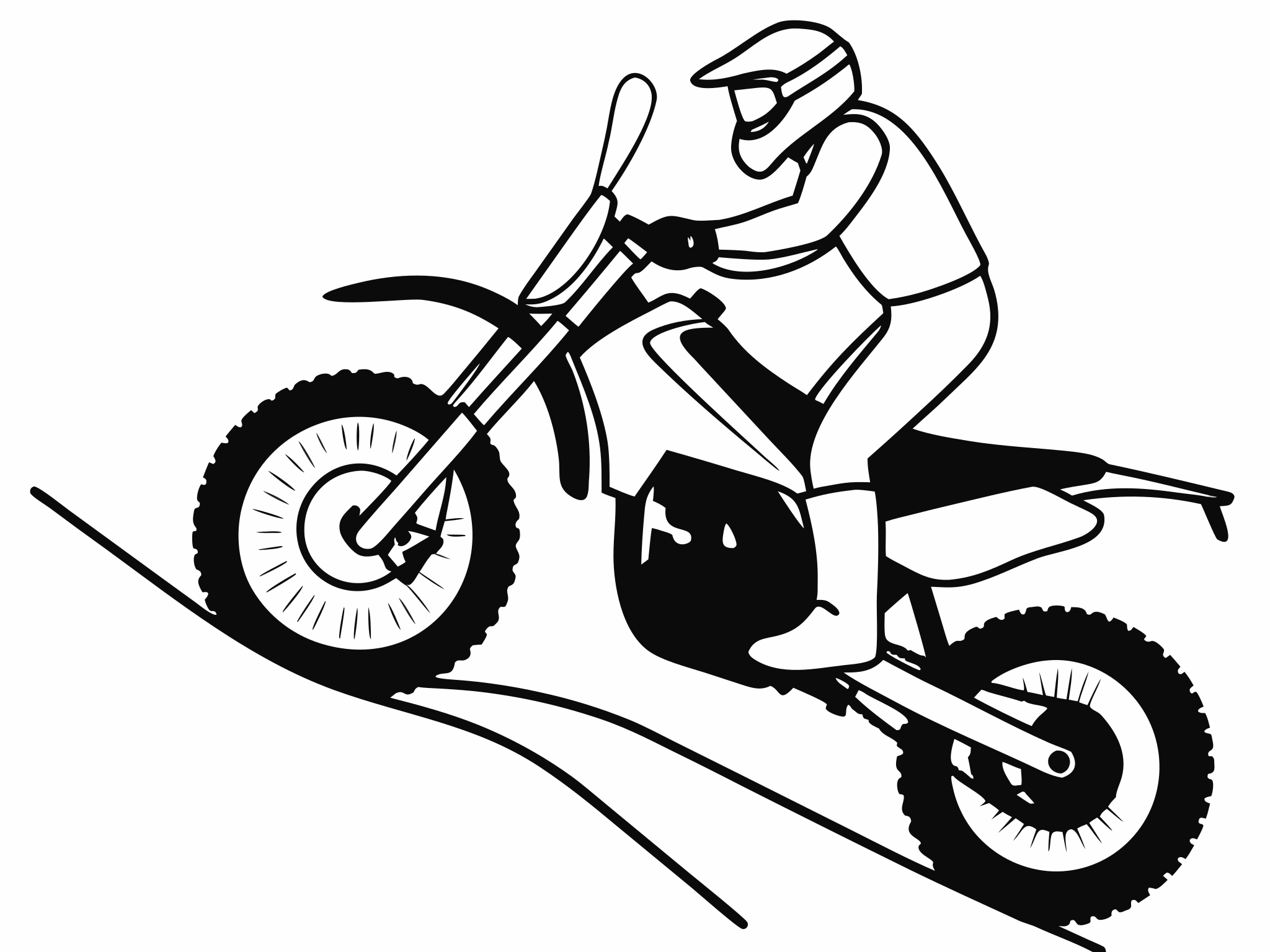 4Hill Climbs & DescentsHill climbs and descents for hard enduro: line choice, gear, body position and clutch on climbs, safe bail-outs, and front and rear braking on steep descents.
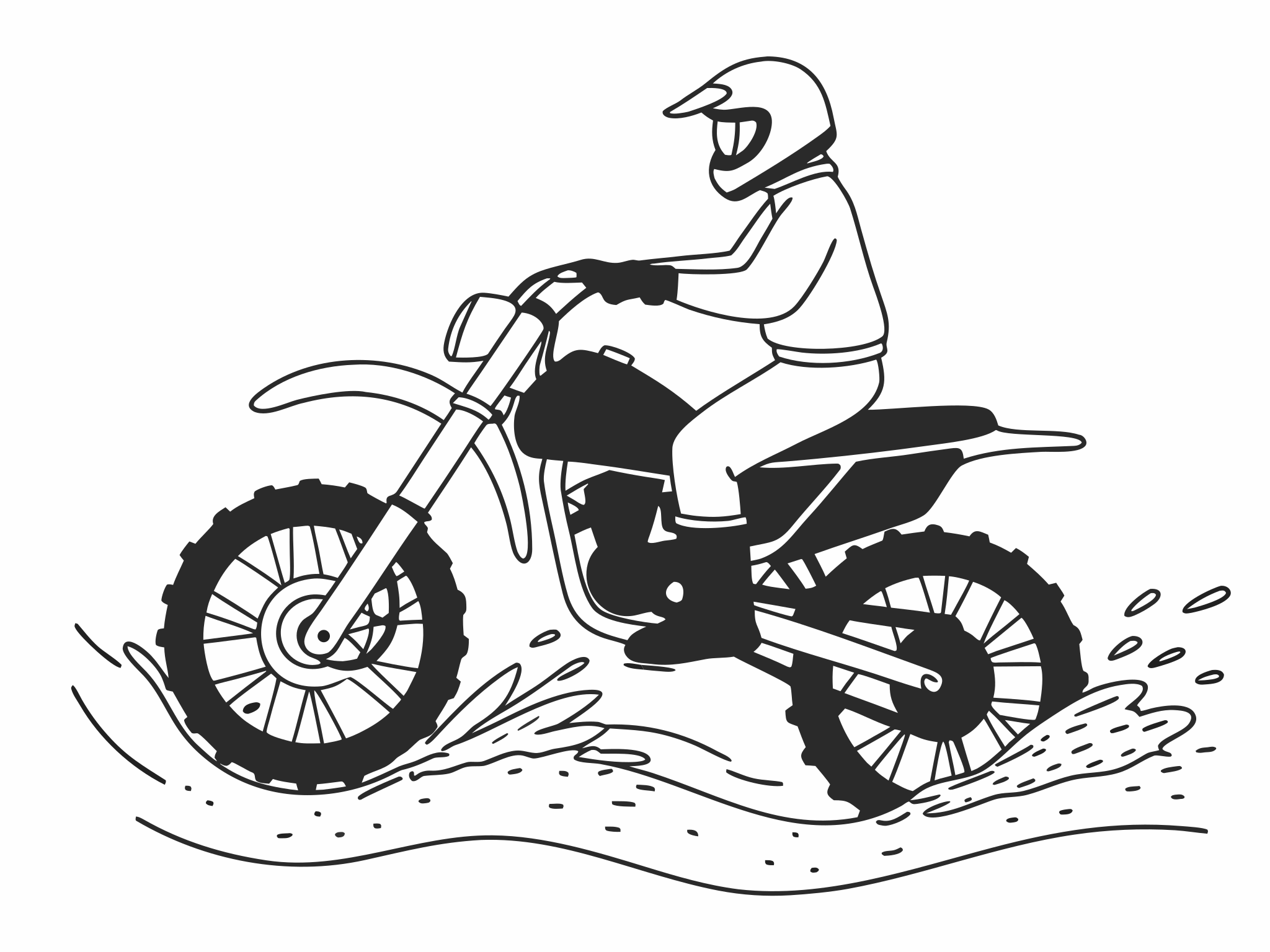 5Water CrossingsWater crossings on a dirt bike: read depth and current, pick a line, hold a steady throttle, keep water out of the airbox, and what to do if the engine drowns.
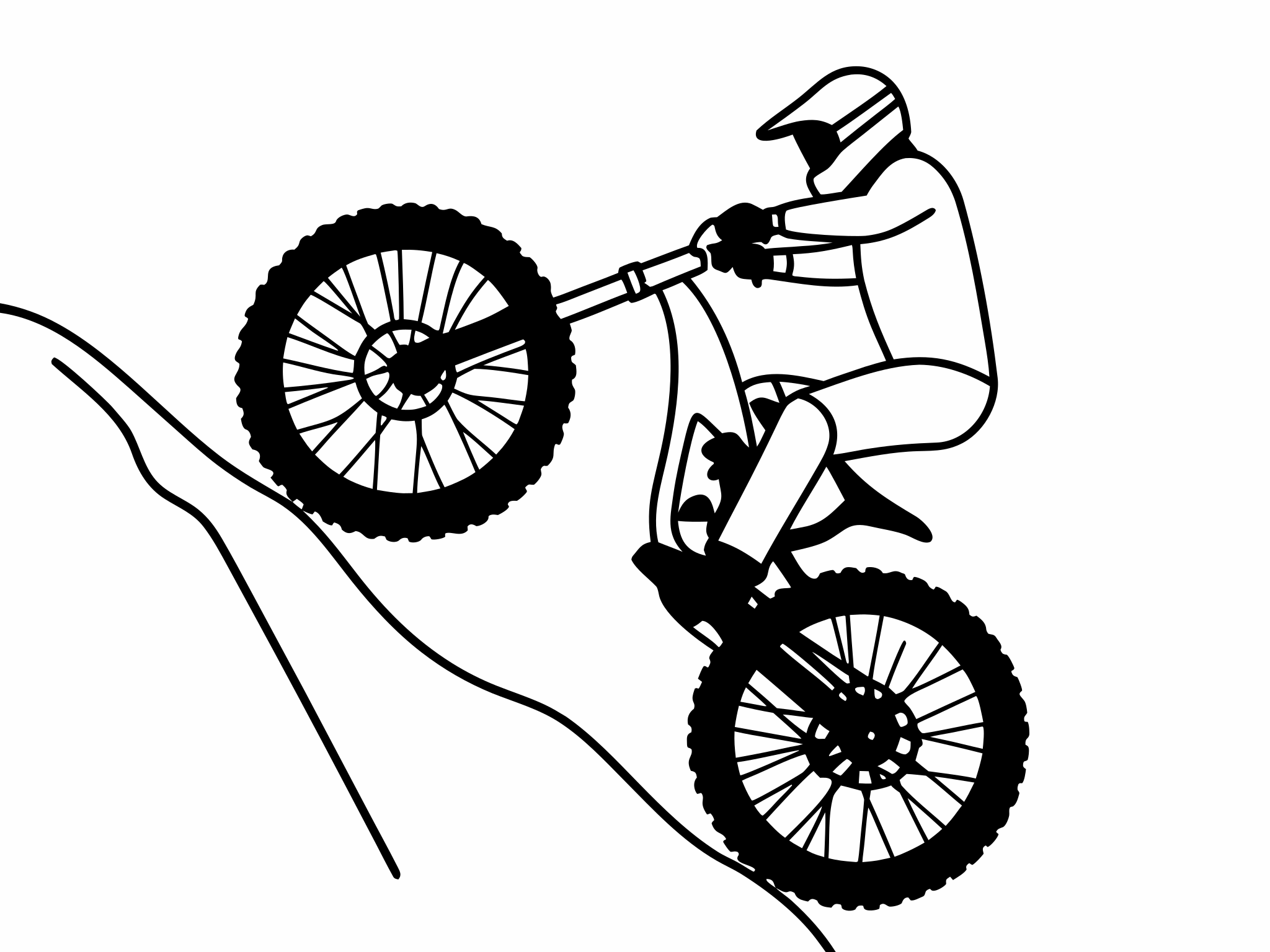 6SplattersSplatters for hard enduro: climb a short vertical face by lifting the front high and driving the rear wheel into it, and how to learn it safely.
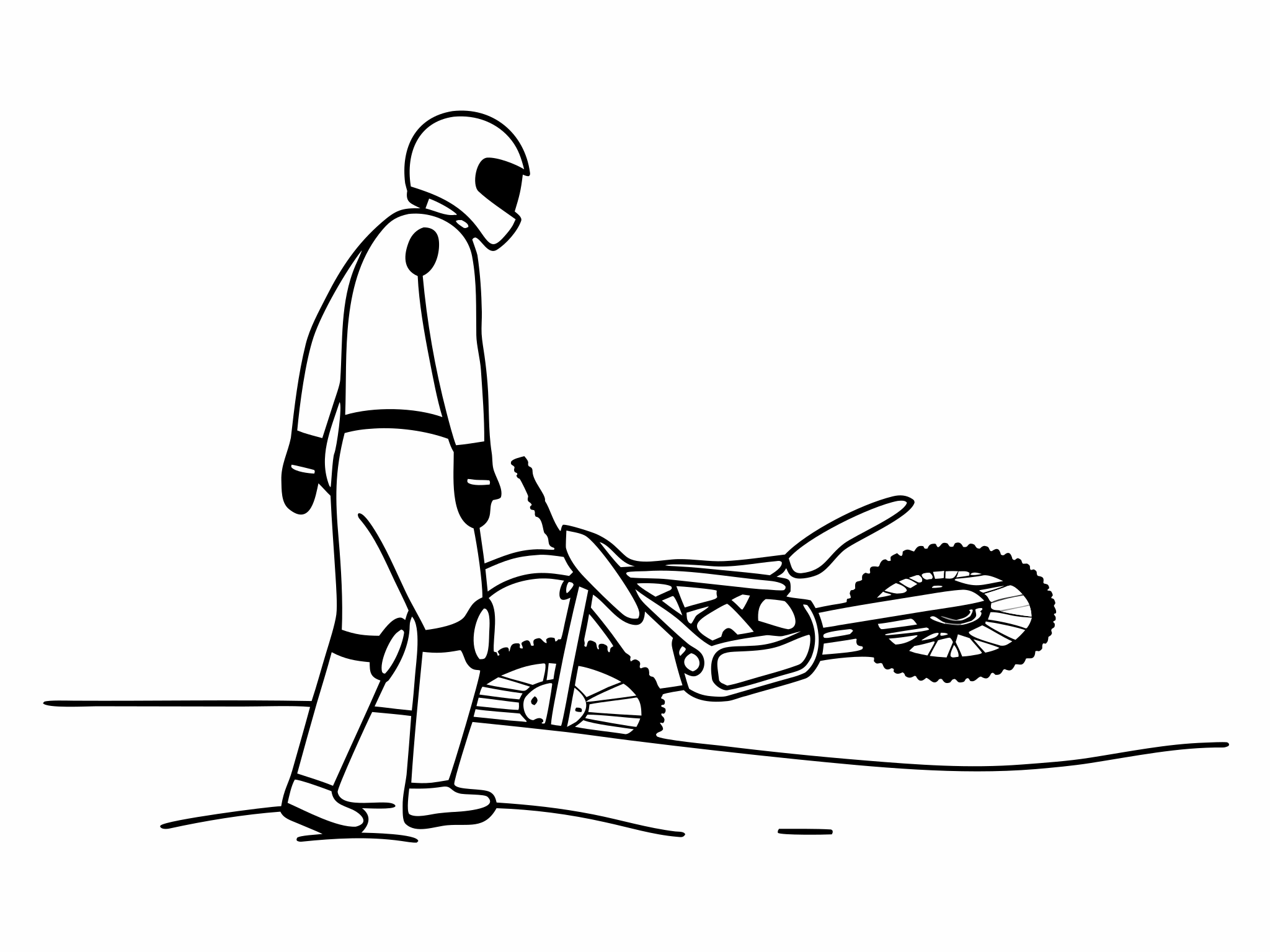 7Picking Up and Unsticking Your BikeHow to pick up a dropped dirt bike, lift it on a slope, free it from logs, rocks and holes, pull it out with a strap and restart it without wasting energy.
Related lessons and guides
- Riding fundamentalsThe skills every technique here is built from.
- STOP/GO criteriaHow to decide whether to ride a line.
- Wheelies and stoppiesPlacement tools that run alongside this course.
- Stamina and the mental gameThe fitness and focus that keep technique working late in the day.
- What is hard enduro?The terrain and races these techniques come from.