Course 5 of 5 · All levels
Stamina & The Mental Game
Hard enduro is an endurance sport disguised as technical riding. Your aerobic base keeps your heart rate and breathing under control for hours. Strength and mobility hold your standing position and your grip together. Mental skills keep you calm after a mistake and stop fatigue making your decisions for you. This course covers all three and how to build them in a few hours a week, alongside riding, without living in the gym. A fourth lesson, race day and long events, covers formats, pacing and fuel on the day.
Updated October 2026. Sources are listed below. How we work
On this page
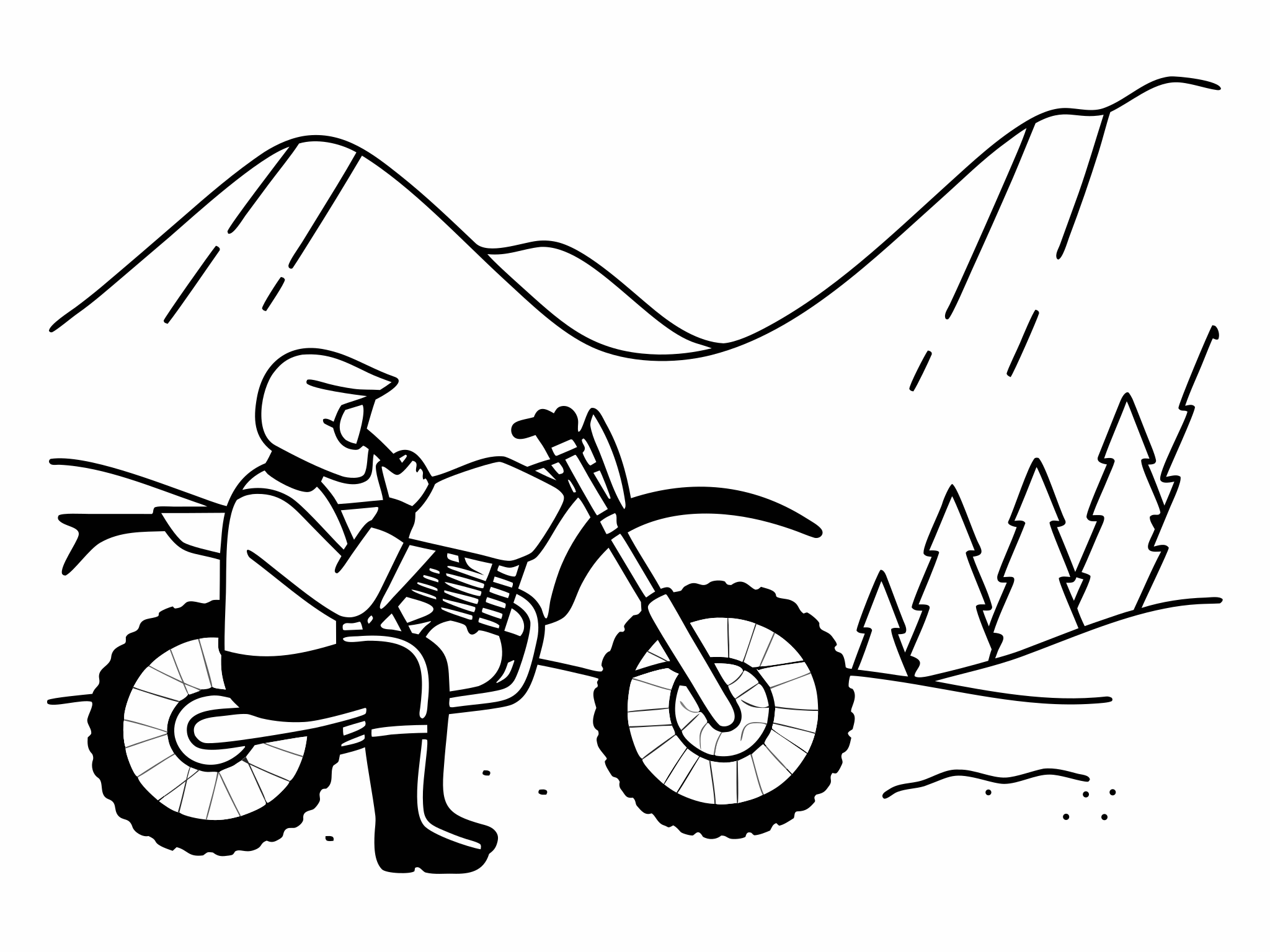
Why fitness and focus matter in hard enduro
Riding a dirt bike off-road is hard work, even when it looks slow. Studies of enduro and motocross riders find heart rates averaging over 150 bpm in a ten-minute enduro session and close to maximum in motocross, with grip strength falling after the ride. Enduro races last hours, not minutes. The endurance lesson has the numbers.
That's the problem this course solves. When you tire, your grip tightens, your standing position sags, your clutch hand gets clumsy and your line choice gets worse.
Fitness doesn't replace skill. A study of top-level off-road riders in the British Journal of Sports Medicine found enduro riders had "a maximum aerobic power similar to that of healthy normal individuals". The authors suggested that "the mechanical characteristics of the motorcycle and the technical and tactical skills of the riders seem to be more important for race success than the metabolic capabilities of the rider", and called for training programmes built around each type of rider's demands to reduce the risk of injury. So the aim isn't to become an athlete first and a rider second. It's to be fit enough that your skills still work at hour five.
What this course covers
| Lesson | What it builds | Why it matters on the bike |
|---|---|---|
| Endurance | Aerobic base, a little high-intensity work, fuelling and hydration, heat | A lower heart rate for the same effort, faster recovery after hard sections, a clear head late in the day. |
| Strength & mobility | Legs, hips, back, core and grip endurance; mobile hips, ankles and upper back | A standing position you can hold for hours, less arm pump, fewer aches and a body that moves with the bike. |
| Mental game | Breathing, cue words, visualisation, routines, goals, after-ride review | Calm on the approach to a big climb, a fast reset after a mistake, better decisions when tired. |
| Race day and long events | Race formats and rules, pacing, refuelling and fluids on the day | A plan that gets you to the finish with energy left, and no time lost to the rules. |
Swipe the table sideways to see every column.
How to fit it around riding
You don't need a gym membership or a coach. You need consistency. A realistic week for a rider with a job looks like this:
- Ride once or twice a week, using the technique lessons. Riding is the most specific training there is.
- Two or three easy aerobic sessions of 30 to 60 minutes: cycling, running, rowing or hiking at a pace where you can still talk.
- Two short strength sessions of 30 to 40 minutes, at home or in a simple gym. That matches the World Health Organization's baseline for all adults: strength work for all the major muscle groups on two or more days a week.
- Ten minutes of mobility after riding and strength sessions.
- About ten minutes of mental practice, three times a week: breathing, or rehearsing a line in your head. The mental game lesson explains why that dose.
Put the hardest sessions on days after rest, not the day after a big ride. When time is short, keep the riding and the strength sessions and trim the easy aerobic work.
Principles that run through the course
- Skills first. When your technique falls apart, stop and rest. Practising a skill badly while exhausted teaches the bad version.
- Build time before intensity. Most of your aerobic training should feel easy. Hard sessions work best on top of a base.
- Consistency beats hero sessions. Three moderate weeks beat one heroic one followed by a fortnight on the sofa.
- Train what the bike asks for. Hours of effort, a strong but relaxed grip, legs that hold a crouch, and a calm head.
- Recover on purpose. Easy days and rest days are when you get fitter. Two hard days in a row, or a hard session the day after a big ride, just makes you ride tired.
Signs this course is working
- Your heart rate settles quickly after a hard section.
- Your hands stay relaxed late in the day and arm pump comes later, or not at all.
- You can hold your standing position through a long technical section without your back or legs giving up.
- You recover from a crash or a failed climb in minutes, not the rest of the ride.
- You choose conservative lines when you're tired, without having to argue with yourself.
Stamina and mental game questions
Isn't riding enough training?
Riding is the most important training, but most riders can't ride often enough to build fitness from it alone. Easy aerobic work and two strength sessions a week fill the gap between rides.
How many hours a week do I need?
Three to five hours outside riding is plenty for most amateur riders: two strength sessions, two or three easy aerobic sessions and a little mobility.
Does fitness help with arm pump?
Fitness helps, but grip, lever setup and a relaxed riding position matter as much. The strength & mobility lesson and the arm pump guide cover both.
Lessons in this course
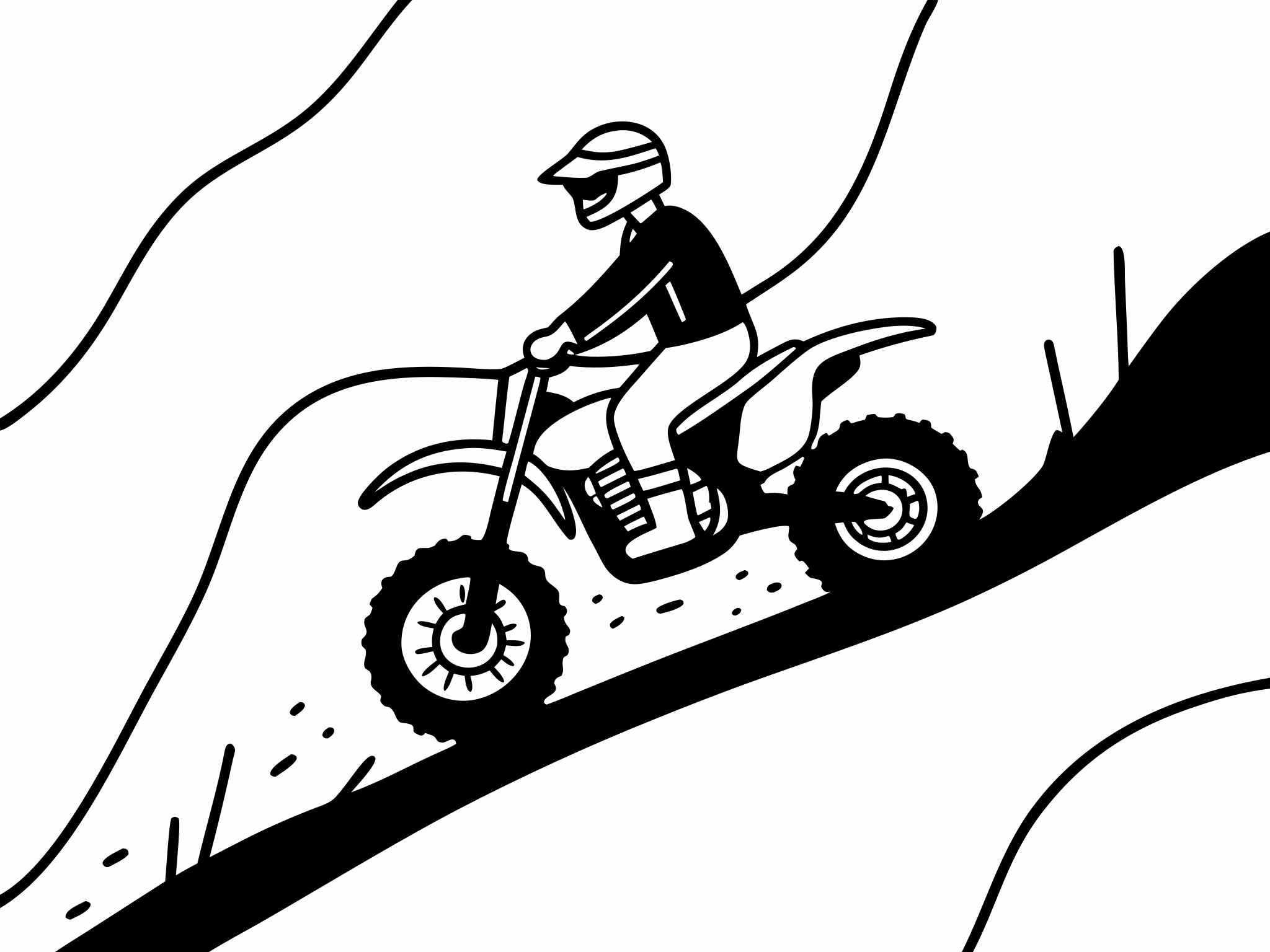 1EnduranceEndurance training for hard enduro: build an aerobic base with mostly easy sessions, add intervals, fuel and hydrate on long rides and ride safely in the heat.
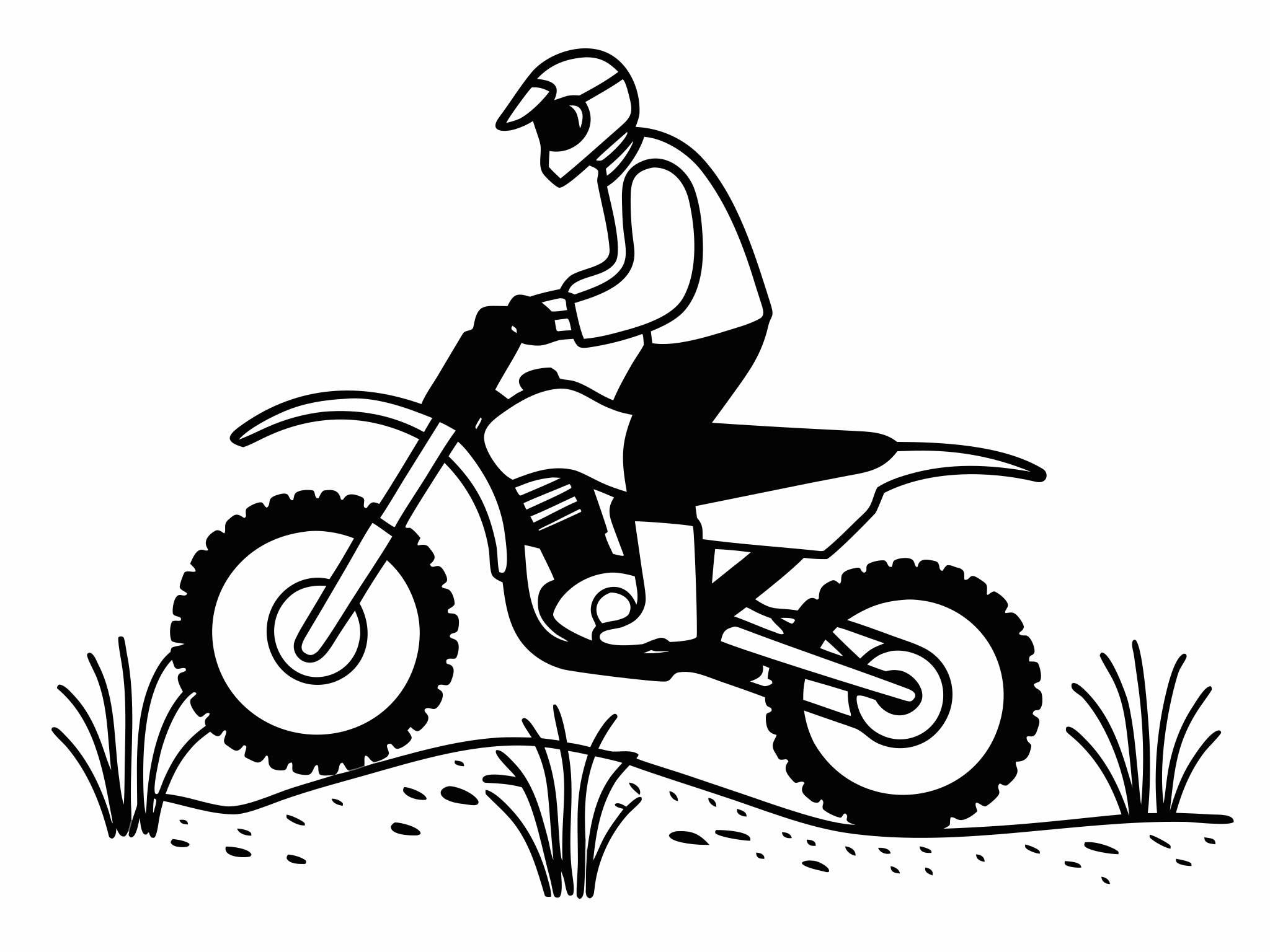 2Strength & MobilityStrength and mobility for hard enduro riders: two or three short sessions a week for legs, back, core and grip, plus hip, ankle and upper-back mobility.
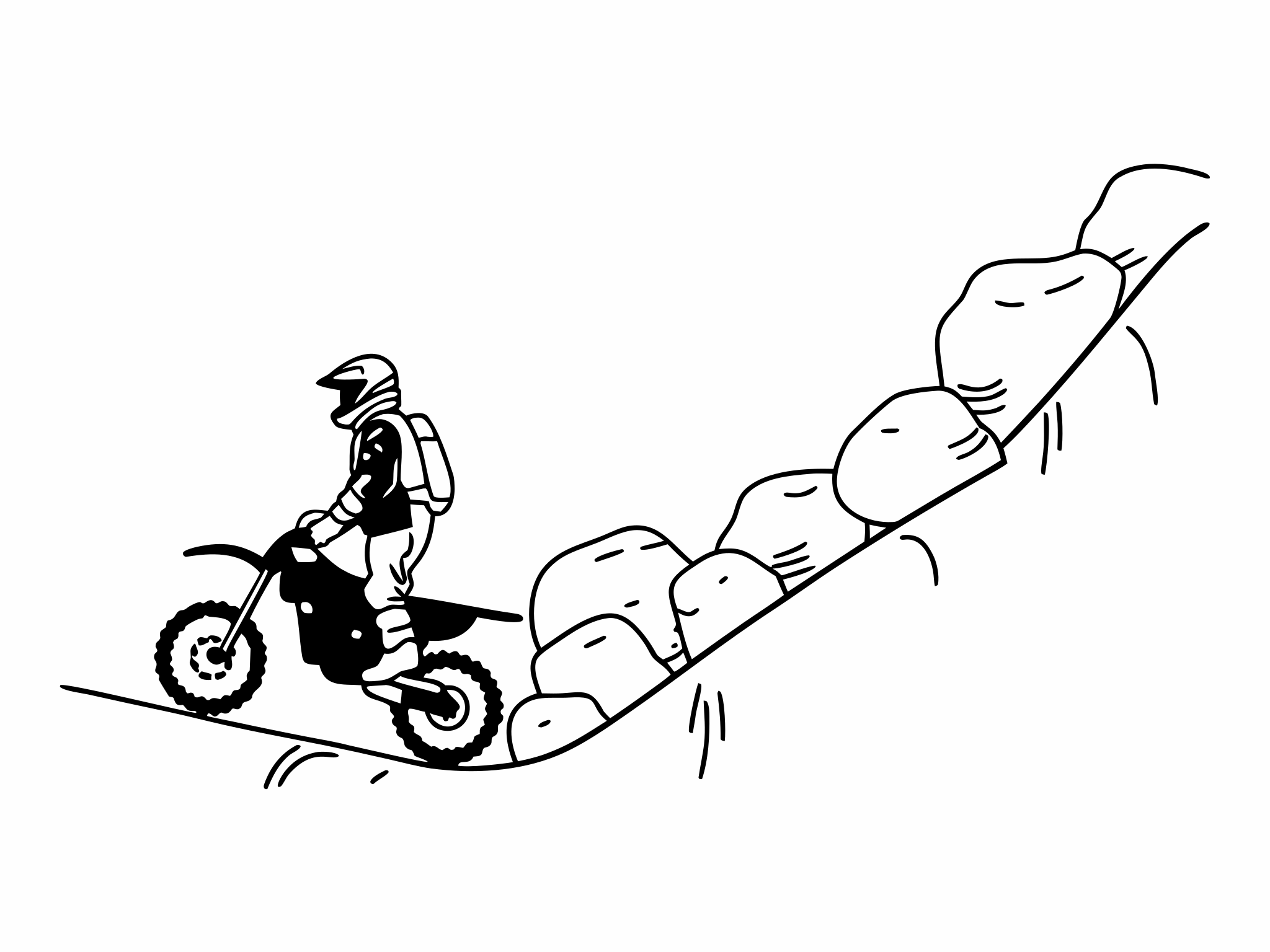 3Mental GameThe mental game for hard enduro: control nerves before big climbs, reset after mistakes, beat tunnel vision and decide well when tired, using sport psychology.
 4Race Day and Long EventsRace day in enduro and hard enduro: know your format, prepare bike and kit, pace a 4–8 hour day, plan fuel and drinks, recover between days and save energy.
Related lessons and guides
- EnduranceAerobic base, fuelling, hydration and heat.
- Strength & mobilityLegs, core, grip and joints that last all day.
- Mental gameNerves, mistakes and long days.
- Race day and long eventsFormats, pacing and fuel on the day.
- Arm pump guideCauses, prevention and treatment.
- Hydration packsCarrying water on long rides.