Lesson 3 of 7 in Advanced Techniques
Mud, Sand, Roots and Slick Rock
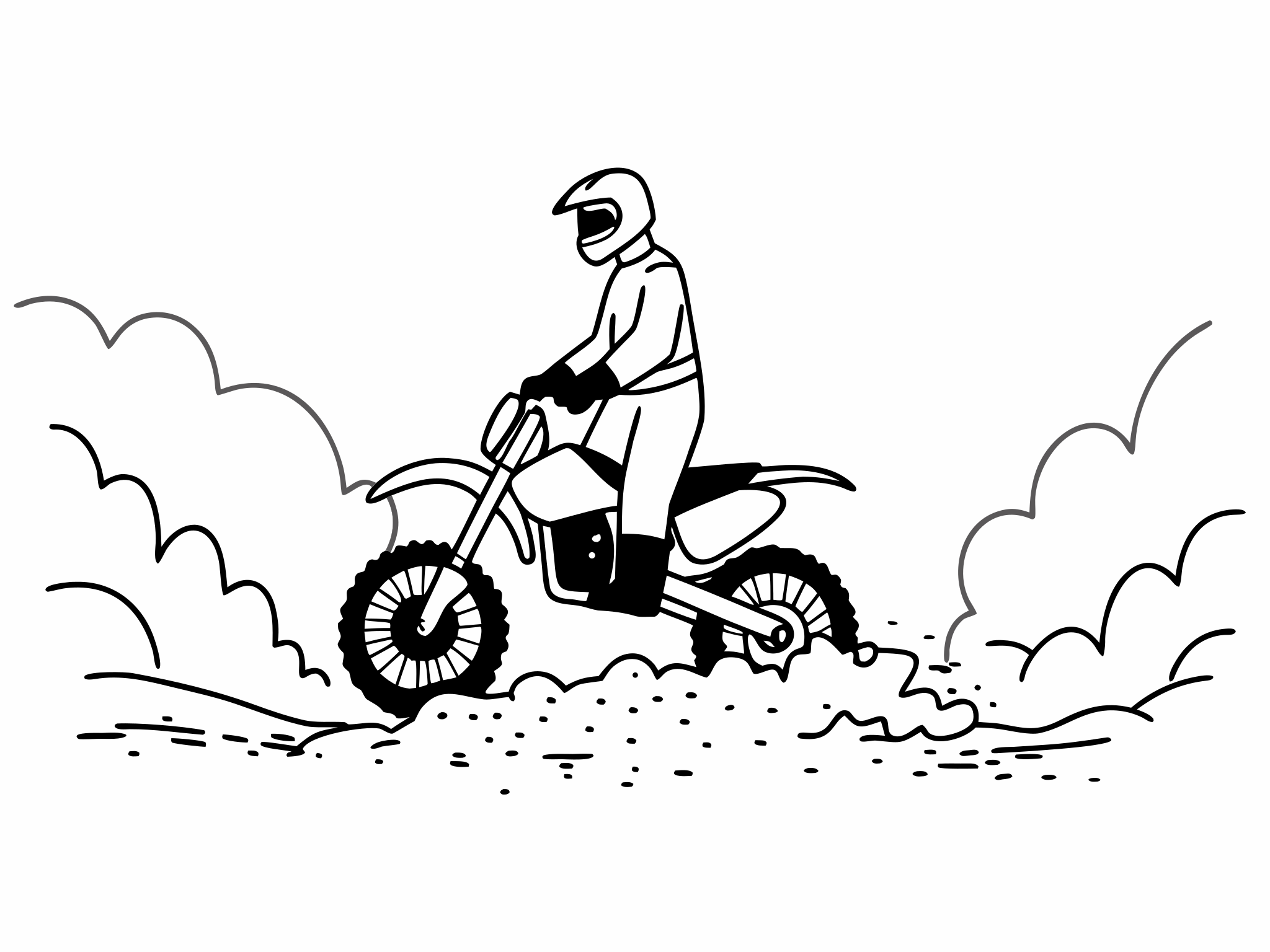
Each loose or slippery surface needs its own approach. In mud, carry steady momentum, stand with your weight a little back and pick the line with the least slop. In sand, keep your weight back and the drive on, steer with the throttle and pegs, and hold the bars lightly. Cross wet roots square, with no braking and no throttle spikes on top, and keep the front light. On slick rock, everything is smooth: gentle throttle, gentle brakes, and low tyre pressure. On all four, the mistake is the same: a sudden input the tyre can't take.
Updated October 2026. Sources are listed below. How we work
On this page
- Why the surface matters as much as the obstacle
- The four surfaces at a glance
- Mud: momentum, ruts and clogged tyres
- Sand: weight back and keep the drive on
- Wet roots: square, smooth and light at the front
- Slick rock: traction, smooth inputs and tyre pressure
- Surface mistakes and how to fix them
- A 45-minute slippery-surface session
- You're ready to move on when…
- Slippery surface questions
Why the surface matters as much as the obstacle
The logs and rocks lesson is about things you ride over. This lesson is about what you ride on. A step you can climb easily on dry dirt is a different problem when it's covered in mud. A root you'd never notice when it's dry can throw the front sideways when it's wet.
Each surface loses grip in a different way. The habits that help come from lessons you've already done:
- A taller gear. The gear selection lesson puts slippery roots, wet rock and mud "one gear taller than feels natural", because softer drive spins the tyre less.
- Less front brake. The front brake lesson uses less front and more rear on loose, wet, sandy or slippery ground.
- A light front. The front-end lift and the controlled wheelie carry the front over wet roots and soft holes.
The four surfaces at a glance
A starting point. The sections below explain each row.
| Surface | What the bike does | Body | Throttle and clutch | Line | Common mistake |
|---|---|---|---|---|---|
| Mud | Slides at both ends; tyres clog | Standing, weight a little back | Steady drive, a gear taller, finger on the clutch | Least mud: the edges, or fresh ground round a bog | Stopping, or digging in with wheelspin |
| Sand | Front ploughs and wanders; rear sinks | Weight back, legs tight, hands light | Never fully off; throttle straightens the bike | Wide, flowing arcs | Chopping the throttle |
| Wet roots | Tyres slide along the root | Standing, loose, front light | Steady over the root, no spikes | Cross square; avoid roots running along the line | Braking or turning on the root |
| Slick rock | Grips until it suddenly doesn't | Centred; light dabs | Smooth roll-on, no snap | Texture, cracks and dry patches | Snatching the throttle or front brake |
Swipe the table sideways to see every column.
Mud: momentum, ruts and clogged tyres
What the bike does. Both wheels slide. The rear wants to step out and the front wants to wash away in turns. Sticky mud packs into the tread until the tyre is a smooth, heavy slick.
Body. Stand when you can. Cross Training Enduro's wet-terrain video has you stand with your weight to the rear, so the front stays light and the rear tyre gets more grip. In a deep rut, Australasian Dirt Bike Magazine (ADB) wants you centred on the bike: "If you're too far back, the front wheel may pop a mono", and if you're too far forward, the rear "will lose traction and spin in the slop." ADB's other advice for ruts is to "Allow the bike to move under you while your body stays neutral". Let the rut steer, and balance with your body. Look to the end of the rut, not down at the front wheel.
Throttle and clutch. Steady drive, a finger on the clutch. ADB: "maintain a steady throttle. Don't be erratic or you will risk wheelspin." When grip is poor, Cross Training Enduro rides a gear higher and slips the clutch. Sticky mud is the exception. When it clogs the rear tyre, the same video keeps the rear spinning with high revs so the tread throws the mud out and the knob edges keep biting.
Momentum. "Momentum is your best friend in mud", the video says, and more speed keeps the tyres cleaner. Don't stop if you can help it. ADB: "restarting can be difficult in slop". If you have to slow down, brake where the grip is. Cross Training Enduro eases off the brakes on a muddy downhill and brakes hard where the ground will grip.
Line. Look further ahead than normal. The edges of the track usually have less mud than the centre, and sometimes the best line goes round a bog hole on fresh ground. If you go into an existing rut, commit to it and let it hold the bike. Swapping ruts halfway is how the front gets caught. In turns, the front washes out easily, so the video steers more with throttle and rear brake: a rear slide is much easier to save than a front one.
The common mistake. Wheelspin when the bike bogs. Revving a stuck bike just digs it deeper. Cross Training Enduro's advice is to get off early and lay the bike on its side before the mud buries the wheels. If it's too late, rock it from side to side to free it. After deep mud the brakes grab weakly until they clear, as the front brake lesson explains, so test them before the next downhill.
Sand: weight back and keep the drive on
What the bike does. Sand drags at both tyres. The front sinks, ploughs and wanders. The rear digs a trench if it spins. Shut the throttle and the drag slows the bike hard, and the front digs in.
Body. Weight back, legs tight, hands light. Matt Phillips told Transmoto he stands "with my weight a little further back on the bike than it would be for harder terrain". ADB's sand guide gives the reason: "Move your weight back on the bike so your rear wheel bites in and your front-end hovers lightly on top of the sand". Back is not the same as hanging off the back. ADB's Lee Hogan says: "Try to avoid hanging off the back! Yes, even in sandy corners." Lock your knees round the bike and "try your best not to hold on too tight with your hands". A death grip on the bars stops the front finding its own way.
Throttle and gear. Keep the drive on. ADB: "you should never completely get off the throttle". Pick a tall gear. Phillips says to use "the tallest gear possible without having to resort to excessive clutch", because a lower gear revved hard "tends to dig trenches".
Steering. Steer with the throttle and pegs more than the bars. When the bike gets kicked sideways, ADB says, "the only way to bring it back in line is to keep the throttle open." Peg pressure leans the bike, as the body positioning lesson shows, and the drive keeps it upright.
Line. Turn wider than you would on hard ground. ADB: "The tighter you turn, the more you'll spin and the deeper you'll go into the sand." Look further ahead, too. Phillips says to "look even further ahead than normal".
Tight sand ruts. Tight, soft sand ruts on a trail change the order. SoCal Off-Road School's sand-rut tip brings the hips forward at turn-in and drags the front brake a little to plant the front tyre in the rut. Without it, the front can break through the berm and the bike goes down. That fits the front brake lesson: a light drag, not a squeeze. The weight goes back as soon as the bike is in the rut and the drive comes on: move your chest back for traction and ride out.
The common mistake. Chopping the throttle. The bike stops, the front digs in and you're over the bars or off the side. ADB: "Avoid chopping the throttle when kicked sideways. Remember, power is your friend."
Wet roots: square, smooth and light at the front
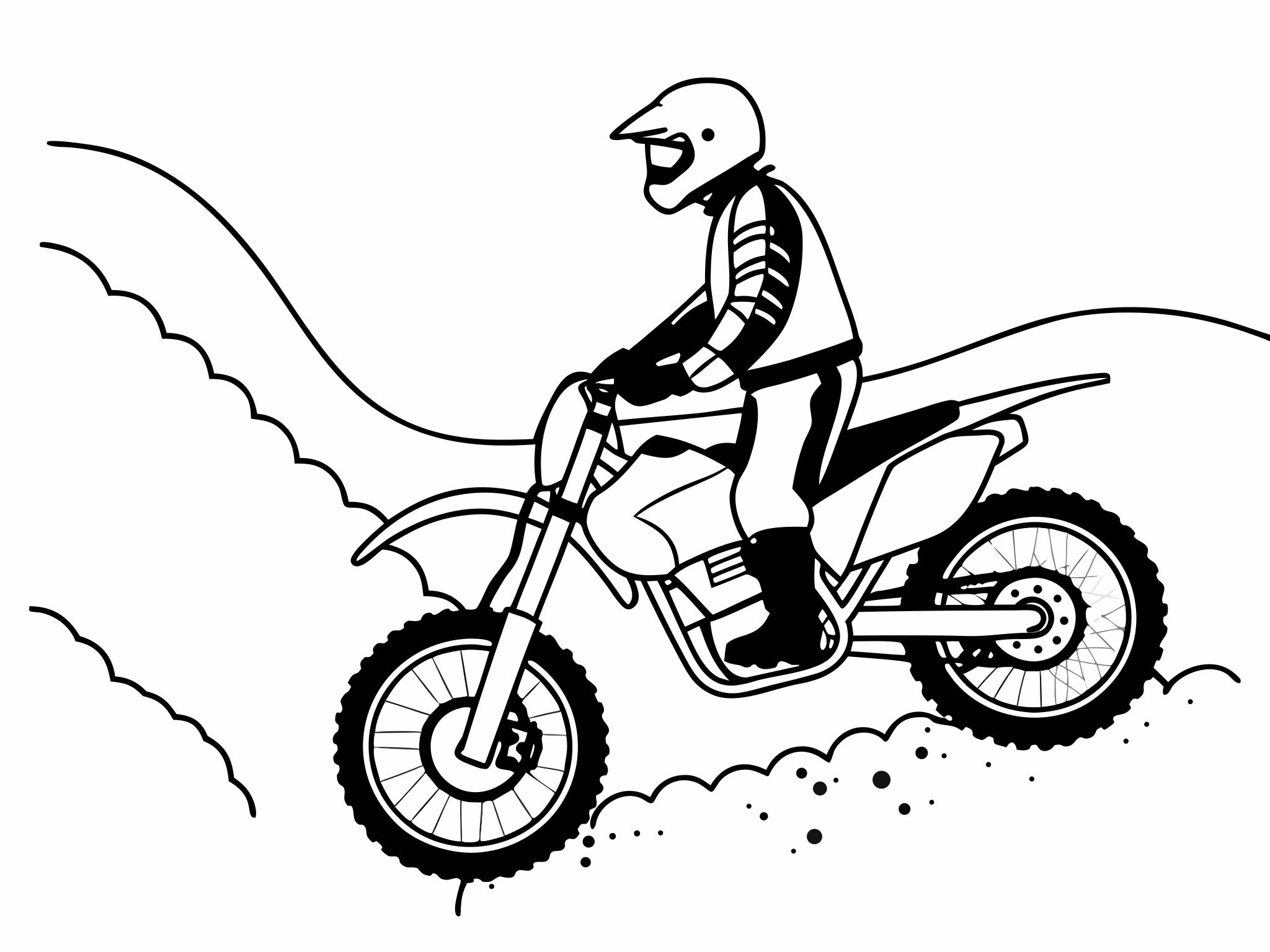
What the bike does. A wet root has almost no grip along its length. A tyre that meets it at an angle slides along it, so the front gets kicked sideways and the rear steps out.
Line. Cross square. Matt Phillips, riding roots at the base of a wet-mud step-up for Transmoto: "The last thing I want to do is to hit these roots at an angle – that's the easiest way to crash here." If the trail meets a root at an angle, use the dirt before it to change your angle, so both wheels cross at as close to 90 degrees as you can. Roots that run along the trail are the worst of all. The hill climbs lesson tells you to avoid them on a climb, and the same goes for flat ground.
Brakes and throttle. Do your braking and turning on the dirt before the root, then roll over it with the bike upright. A tyre braking or driving hard on wet wood will slide. Keep the throttle steady across the root. A spike while the rear is on top spins it sideways. If you need drive, use it on the dirt either side. The logs and rocks lesson uses the same idea on wet logs: drive where it grips, coast where it doesn't.
Body. Standing, knees and elbows soft, weight centred or a little back. Let the bike twitch under you without fighting it.
Unweight the front. A few centimetres of lift stops the front deflecting on a wet root. That's the small lift from the front-end lifts lesson: compress the fork, then a short burst of clutch as it rebounds. For a row of roots, a low wheelie carries the front over the lot while the rear follows.
The common mistake. Touching the brakes on the root. A rear wheel locked on wet wood slides away. A front wheel braked on it tucks. Get your speed right before the roots, then leave the brakes alone.
Slick rock: traction, smooth inputs and tyre pressure
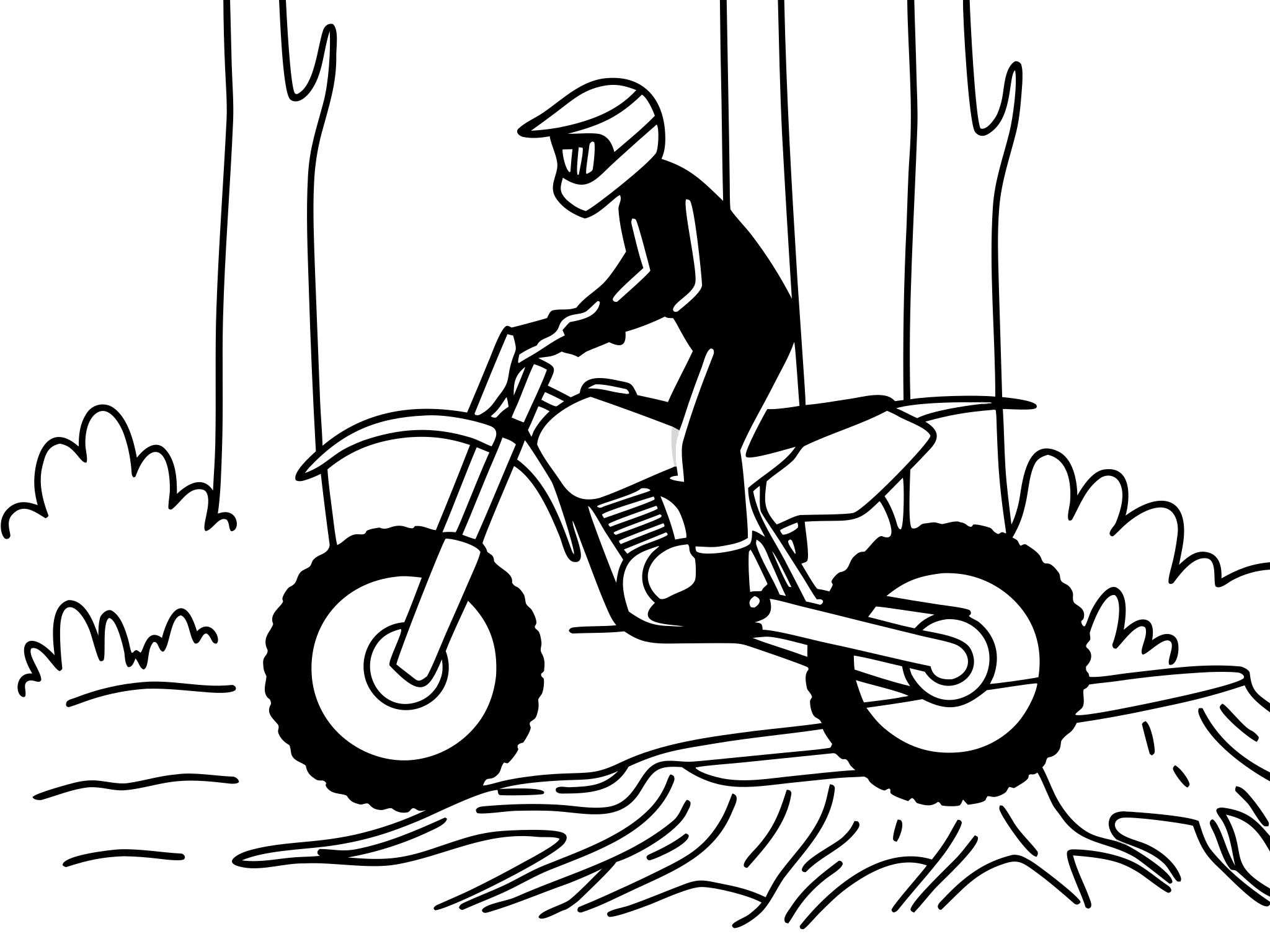
What the bike does. Wet, mossy or polished rock can feel fine for a while. Then the tyre lets go with no warning. Rock doesn't give way like dirt, so a slide is fast and hard to catch.
Traction. Look for texture. Cracks, ridges, dry patches and dirt on the rock give the tyre something to bite on. A smooth, shiny, wet face doesn't. Lower tyre pressure lets the rubber wrap the rock. How low you can safely go depends on your tyre system, and the mousse vs Tubliss vs tubes guide covers each.
Throttle and brakes. Smooth beats strong. Antoine Meo told Transmoto: "Don't open the throttle too quickly. Be smooth when you open the gas." Roll the throttle on, feed the clutch in, and squeeze the brakes. Don't grab them. A taller gear helps, as in the gear lesson. On a slippery descent, use more rear and engine braking than front, as the front brake lesson explains.
Body. On slippery rock, Meo sits so his feet are closer to the ground. He stands when the grip is good, for feel through the pegs. The logs and rocks lesson covers both. Either way, keep your weight through the pegs. Rich Larsen, presenting IRC Tire's riding videos, says dabs are for correcting your balance and nothing more. If you put too much weight on a dab, you take it off the tyres and lose traction. Top riders who sit, Larsen says, still sit with their weight on the pegs.
Line. Pick the line with the most texture, even if it's longer. On a rock slab across a slope, stay high and lean the bike into the hill, as the off-camber section of the hill climbs lesson explains.
The common mistake. A sudden input. A snap of throttle spins the rear, a grab of front brake tucks the front, and a jerk of the bars washes it out. On slick rock, every input is half the size and twice as slow.
Surface mistakes and how to fix them
The bike stops in mud and the rear digs a hole.
Fix: Ease off before it buries itself. Get off and lay the bike on its side before the wheels are buried. If it's already stuck, rock it side to side. Next time, carry more momentum and pick a line with less mud.
You grip the bars hard and the front shakes in sand.
Fix: Grip the bike with your knees and loosen your hands. The front will wander less when you stop fighting it.
The front kicks sideways on a wet root.
Fix: You crossed at an angle with weight on the front. Square up on the dirt before the root and lift the front a few centimetres as it gets there.
You're paddling and stalling through every slippery section.
Fix: Stay above the bike with your weight on the pegs. Use light dabs for balance only, and pick a taller gear so the drive is softer.
A 45-minute slippery-surface session
Do this on a day after rain, at a place with a sandy or muddy patch and a few roots. Change one thing at a time, and stop before you're tired. Slippery ground punishes tired riding.
| Time | Drill | What to focus on |
|---|---|---|
| 0–10 min | Straight lines through a muddy or sandy patch, standing | Weight a little back, steady throttle, one gear taller. |
| 10–20 min | Wide figure-eights on the same surface | Steer with pegs and throttle; light hands. |
| 20–30 min | Cross a wet root square, ten times | Brake before it, steady throttle over it. |
| 30–38 min | Small front lifts onto the root | A few centimetres, foot over the rear brake. |
| 38–45 min | A short wet-rock or root-strewn section | Smooth roll-on; dabs for balance only. |
Swipe the table sideways to see every column.
You're ready to move on when…
- You can ride a 50-metre muddy section without stopping and without the rear digging in.
- You can ride a sandy turn without chopping the throttle or touching the front brake hard.
- You cross wet roots square, with no brake and no wheelspin, every time.
- You can lift the front a few centimetres over a wet root on command.
- On a wet-rock section, your dabs are light and the bike keeps moving.
Slippery surface questions
What tyre pressure for mud, sand and rock?
Lower than for hardpack, within your tyre system's limits. ADB's sand guide suggests about 10–12 psi. For mousse, Tubliss and heavy tubes, see the tyre systems guide.
How do I get out when I'm bogged in mud?
Stop revving. If it's still sinking, get off and lay the bike on its side before the mud buries the wheels. If it's already stuck, rock it side to side. If that fails, get help pulling it free. Check your air filter once you're out. The bike setup lesson covers how often to check it in mud.
All lessons in Advanced Techniques
Related lessons and guides
- Logs & RocksThe obstacles that sit on these surfaces.
- Hill climbs and descentsSlippery surfaces on a slope.
- Water crossingsMud and sand under the water.
- Gear selectionWhy a taller gear helps on slippery ground.
- Controlled front-end liftsLift the front over roots and soft holes.
- Mousse vs Tubliss vs tubesTyre pressure for grip on rock and roots.