Quick Summary
- TBI (2024+): crisp, carb‑like hit with stronger roll‑on; adjusts for altitude while riding; reset after transport over big height changes; depends on healthy sensors, pump, ECU.
- TPI (2018–2023): smooth and linear; no re‑jetting for altitude; stock feel can be soft unless tuned.
- Carb (pre‑EFI, retrofits, and current Beta and Sherco 300s): light, cheap, field‑serviceable; needs jetting for conditions and can flood when tipped.
How each system meters fuel and oil
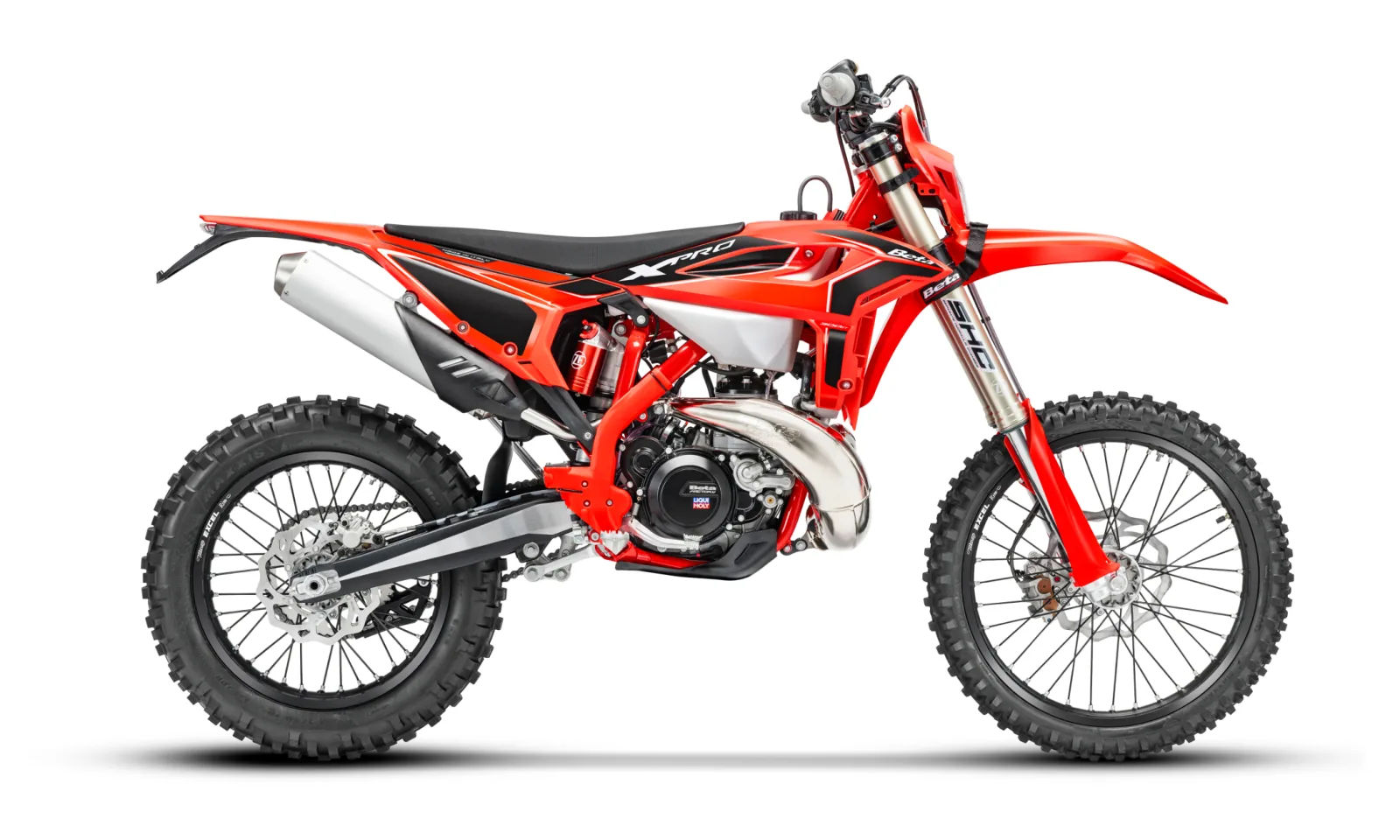
- Carburetor: Venturi draws fuel from a float bowl. Jets (pilot/needle/main) set fueling; it can flood if the bike is on its side. Oil comes premixed in the fuel or from a separate pump, depending on the bike. For 2027, Sherco's 300 SE Factory and Beta's RR Race 300 use premix. Beta's RR X‑Pro 300 and Xtrainer 300 have an electronic oil pump.
- TPI: Two injectors spray into the transfer ports of the cylinder. On KTM's TPI enduro models, a separate oil tank and electronic pump supply the oil, so there is no premix.
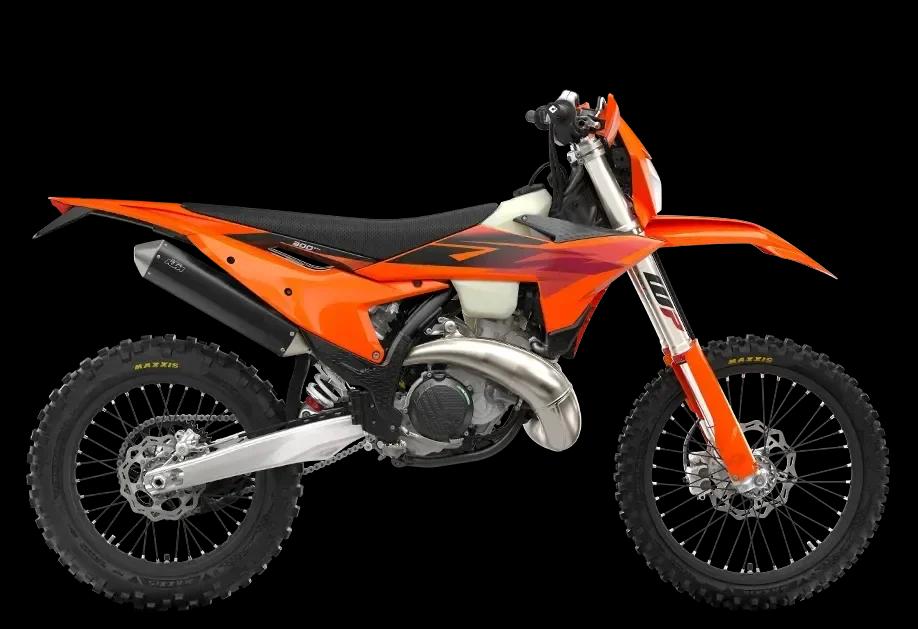
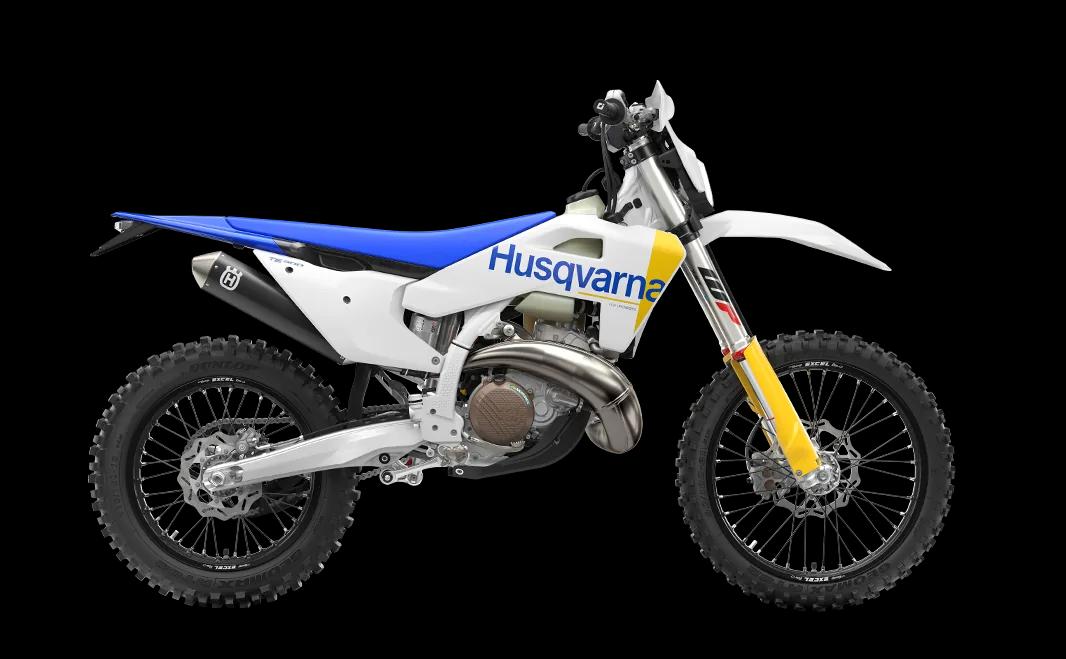
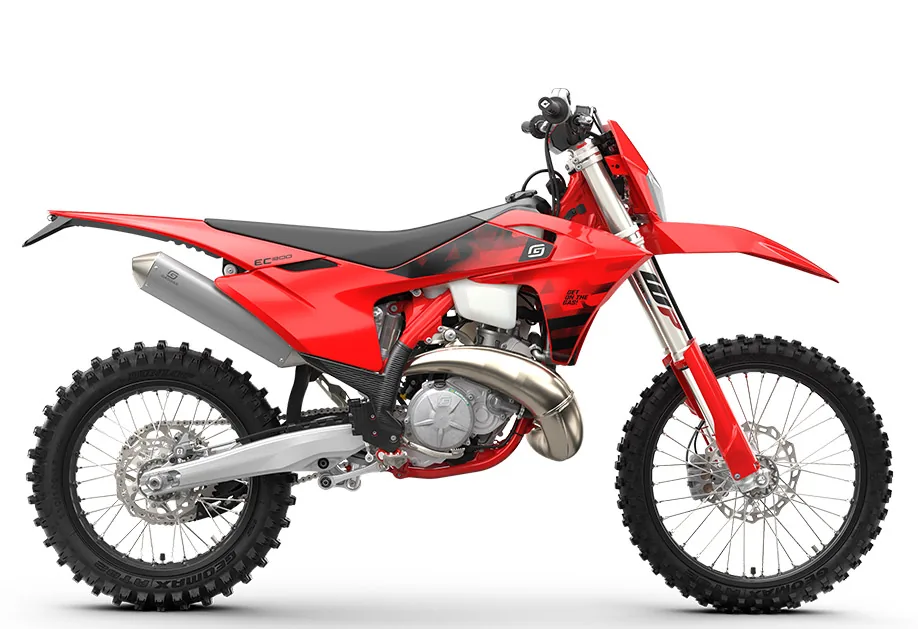
- TBI: Two injectors sit in the throttle body, earlier in the intake. KTM's 2027 bikes use a 39 mm Keihin throttle body. The KTM EXC and XC‑W, Husqvarna TE and GASGAS EC keep a separate oil tank and electronic pump. KTM's 2027 manual says not to refuel its EXC and XC‑W with premixed fuel.
Quick comparison
| Feature | Carburetor | TPI (2018–2023) | TBI (2024+) |
|---|---|---|---|
| Fuel delivery | Venturi, fixed jets | Two injectors in transfer ports | Two injectors in throttle body |
| Oil delivery | Premix, or a separate pump (Beta) | Separate tank, electronic pump (enduro models) | Separate tank, electronic pump (enduro models) |
| Power feel | Tunable, strong bark | Smooth, linear | Crisp, carb‑like, stronger roll‑on |
| Altitude/weather | Re‑jet needed | No re‑jetting | No re‑jetting; reset after transport |
| Flooding when tipped | Possible (float bowl) | No | No |
| Serviceability (remote) | High (hand tools) | Low (electronics dependence) | Low (electronics dependence) |
| Maintenance sensitivity | Low‑tech; keep jets clean | Sensors/pump/filters; strict top‑end | Sensors/pump/filters; strict top‑end |
Hard Enduro performance
- Low‑RPM tractability and feel: TPI gives smooth, linear delivery, which helps traction. TBI brings back a sharper initial hit and stronger low‑to‑mid roll‑on. KTM says TBI's power delivery is almost as smooth as a carburettor's. Carbs can be jetted to hit harder or softer.
- Throttle precision and clutch: EFI responds instantly to the throttle, with less "wiggle room". Carbs naturally damp a touch, giving a small grace period. With EFI, expect to do more of the fine control with the clutch.
- Restarts, stalls, and flooding: EFI has no float bowl to flood, so tip‑overs restart quicker. Carbs can flood when laid over.
Environment and efficiency
- Altitude and weather swings: Carbs need re‑jet/air‑screw tweaks. KTM says both TPI and TBI remove the need to re‑jet. The 2027 TBI manual says the ECU keeps updating its air pressure reading as you ride up or down. If you trailer the bike to a very different height, reset it: start the engine at the new height, switch it off and wait at least five seconds.
- Fuel use: when KTM launched TPI in 2017, it claimed "a drastic reduction in fuel consumption". KTM's 2027 manual adds a riding tip: at top speed, back the throttle off to ¾ open. Speed drops slightly, and fuel consumption is considerably lower.
- Oil use: on KTM‑group TPI and TBI enduro models, an electronically regulated pump meters the oil. KTM's 2027 manual gives about 0.8 L for the oil tank. Before a full tank of fuel, the oil must be at least up to a marked level. When the oil warning light comes on, KTM says there is enough oil for the fuel left in the tank, and no more.
Reliability and servicing
- Carb: Simple, few single‑point failures; will usually limp you home. Keep jets/float clean; avoid flooding.
- EFI (TPI/TBI): Dependent on ECU, fuel pump, injectors, sensors and the electronic oil pump. KTM's 2027 TBI manual lists sensors for crankcase pressure, ambient air pressure, throttle position and intake air temperature, among others. Keep connectors clean. If racing, carry a fuel filter and a key sensor as spares.
- Intervals that matter: KTM's 2027 service schedule for the 250 XC‑W, the 300 EXC (including Six Days and Hardenduro) and the 300 XC‑W lists a new piston every 45 operating hours. It lists a new fuel filter and a new oil pump every 90 hours, and a new fuel screen every 15 hours. KTM says intervals can differ by country and local conditions.
Tuning that moves the needle
- Carb upgrade path: aftermarket carburettors sold as self‑adjusting aim to cut jetting changes while keeping trailside serviceability. Check what the maker claims for your engine before you buy.
Recommendations
- Maximum performance and adaptability: TBI (2024+), if you race or want the sharpest response with altitude compensation.
- Smooth traction on a used bike: TPI (2018–2023), for its very linear delivery.
- Remote riding and trailside repair: a carburettor, for simplicity and serviceability.
See Also
300 Two‑Stroke Buyer’s Guide PDS vs Linkage for Hard Enduro KTM EXC vs XC‑W (US vs Global)