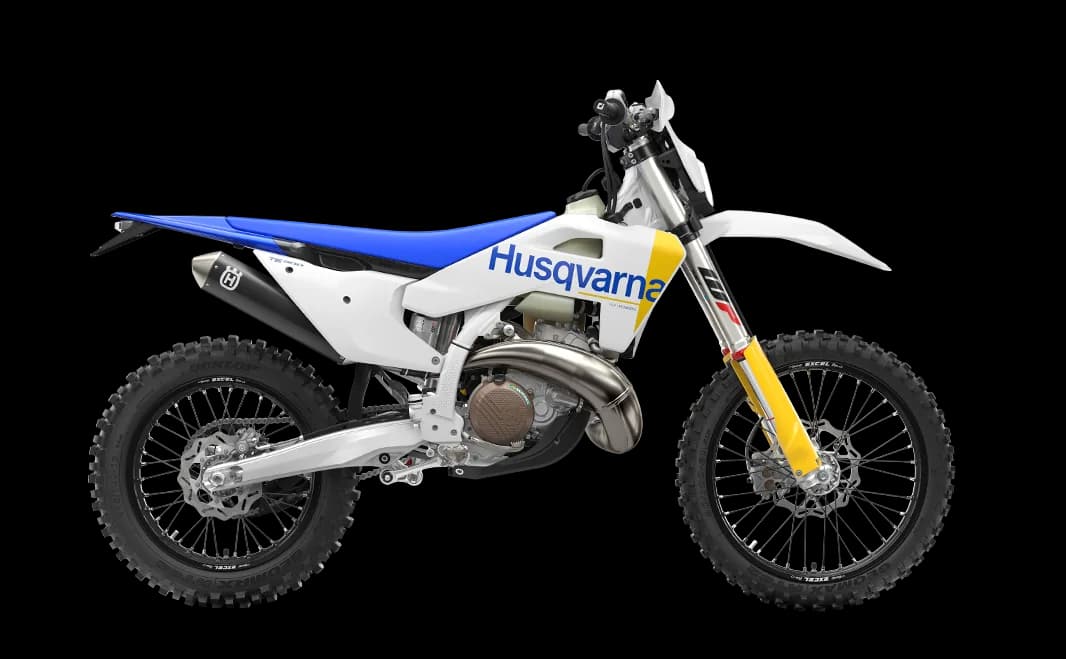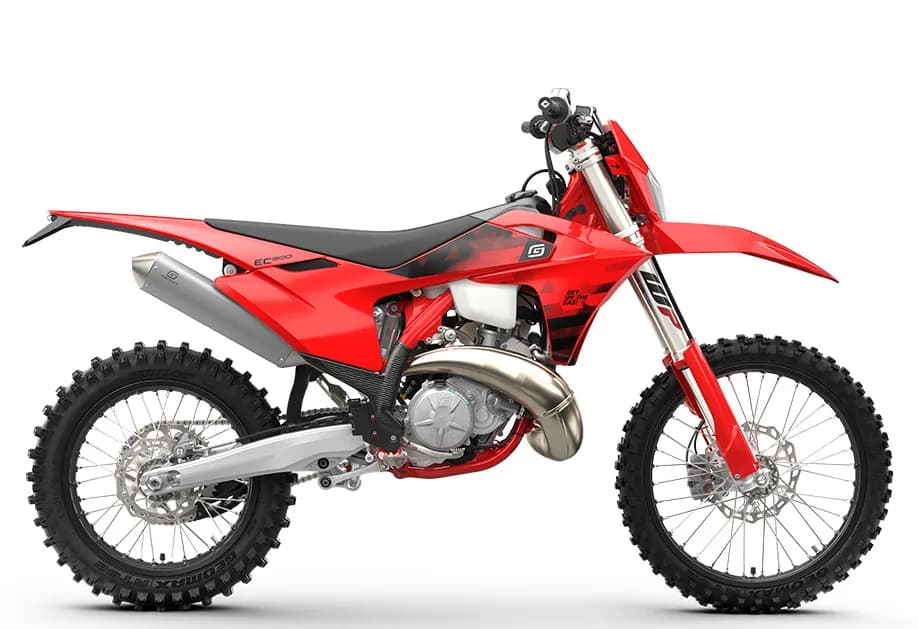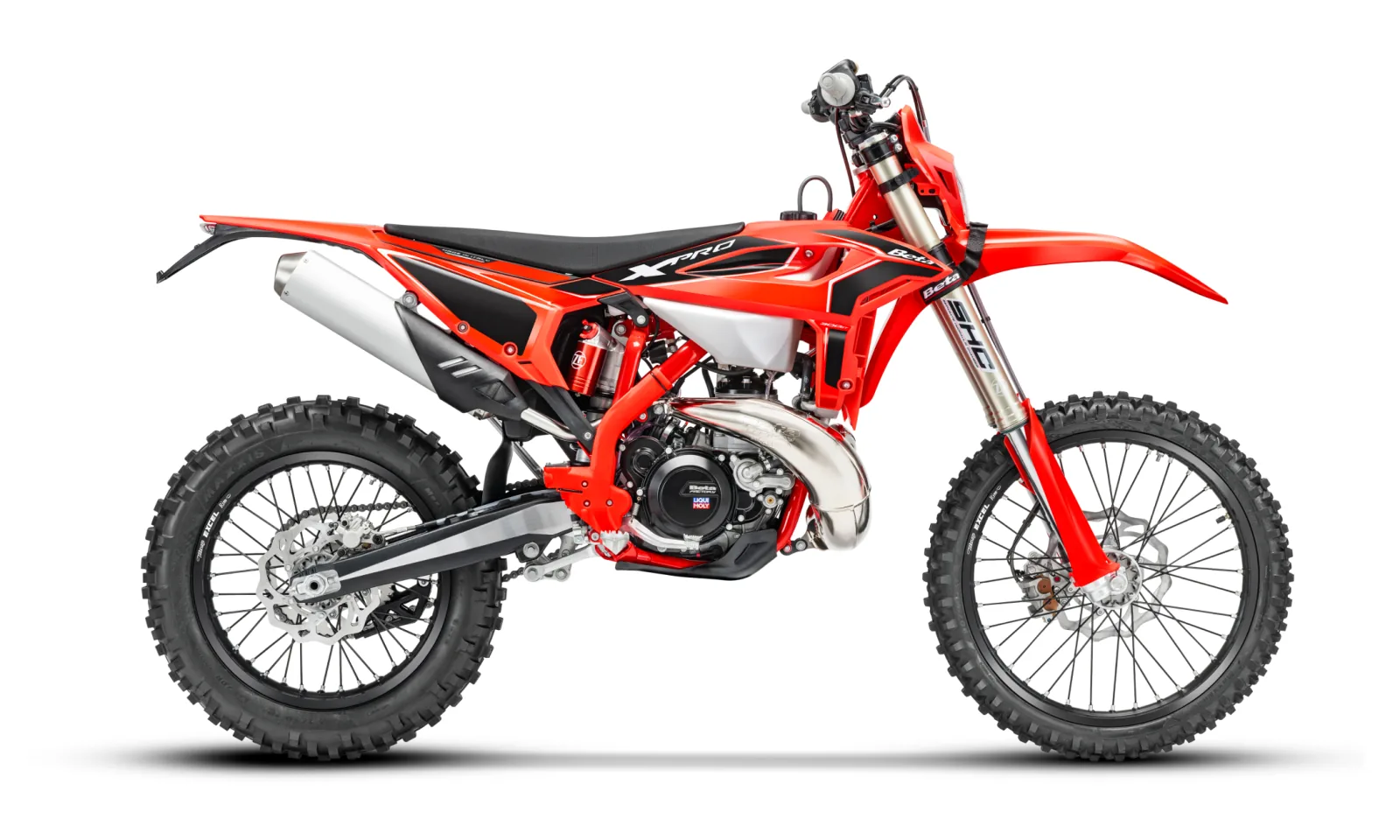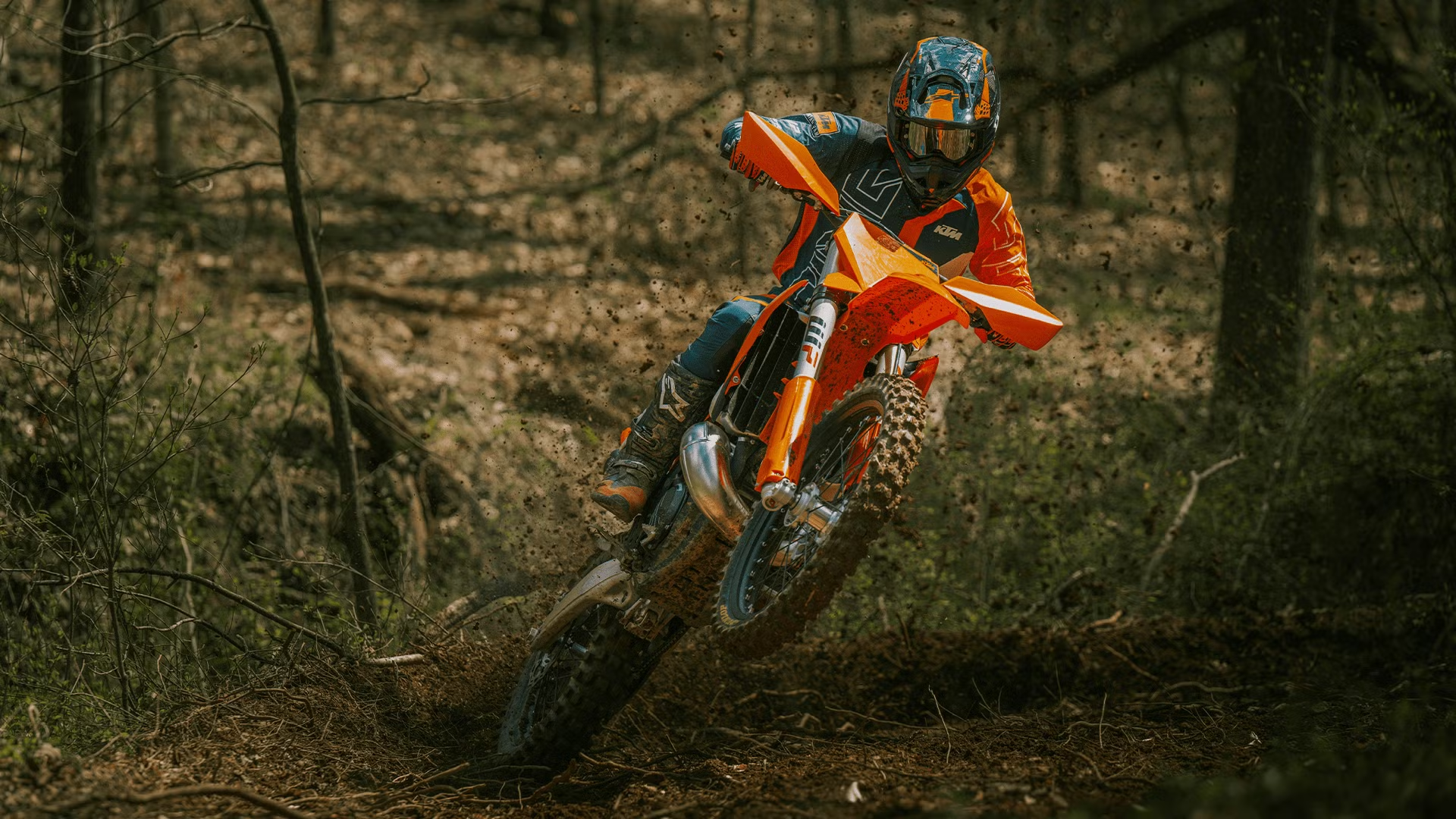
Tire choice is one of the highest-impact setup decisions in hard enduro. This guide compares brands and compounds we actually run in Portugal, Spain, the UK, the US and South Africa — and links to our tire systems guide for tubes vs Tubliss vs mousse.
Michelin vs. Mitas: Which Enduro Tire Brand is Right for You?
Michelin has long been a favorite in the Enduro world, offering products like the Michelin Enduro Medium and Michelin Enduro Xtrem. These tires are renowned for their superior grip, particularly in wet and slippery conditions. Michelin tires are often the choice for those competing in extreme Enduro events due to their consistent performance. However, they come at a premium price.
Mitas, with models like the Mitas Terra Force-EF and Terra Force-EX, provides a compelling alternative. Known for their versatility, Mitas tires excel in varied terrains, offering a balance of performance and affordability. While they might not match Michelin's grip in the most extreme conditions, they're highly durable and handle well on rocky and mixed terrains, making them a practical choice for everyday riders.
Soft vs. Hard Rubber: Finding the Best Compound for Your Ride
Soft Rubber
Soft compound tires, such as the Michelin Enduro Xtrem, are tailored for maximum traction. They are ideal for muddy, wet, or rocky terrains where grip is crucial. These tires mold around obstacles, providing enhanced control but at the cost of quicker wear, especially on harder surfaces.
- Pros: Superior grip on slippery surfaces, better control on technical trails.
- Cons: Reduced lifespan, higher cost due to frequent replacements.
Hard Rubber
Harder rubber tires are crafted for longevity and resilience. They perform well on dry, rocky, or hard-packed surfaces where durability is more critical than extreme grip.
- Pros: Extended tire life, cost-effective for frequent hard terrain riders.
- Cons: Less effective in wet or muddy conditions; less responsive on technical trails.
Your choice of compound should reflect the primary terrain you ride on. Soft rubber for those navigating through wet or technical areas, and hard rubber for the predominantly dry or rocky trails.
Tubes, Tubeless, or Mousses: What's the Best Setup?
Tubes
Traditional and economical, tubed tires are the go-to for budget-conscious riders. They're straightforward to repair but can suffer from pinch flats on rough trails.
- Pros: Budget-friendly, easy to repair, widely available.
- Cons: More susceptible to pinch flats, less flexibility with tire pressure.
Tubeless
Tubeless setups are favored for their ability to run lower pressures for enhanced grip without the risk of pinch flats. They utilize sealant to fix minor punctures but can be more challenging to set up.
- Pros: Reduces flat risks, allows for lower pressure, self-sealing capabilities.
- Cons: Initial setup can be complex, potential for sidewall damage, requires sealant maintenance.
Mousses
For extreme Enduro where flat prevention is paramount, mousses are invaluable. They eliminate flats entirely but add weight and reduce pressure adjustability.
- Pros: No flat tires, consistent performance in extreme conditions.
- Cons: Expensive, heavier, less pressure adjustability, requires periodic replacement.
The ideal setup depends on your riding conditions, maintenance commitment, and budget. Tubes are suitable for casual riders, tubeless for those looking for traction without flats, and mousses for the hardcore Enduro enthusiast where reliability can't be compromised.
Deep dive: For a complete breakdown of Tubliss vs. Mousse vs. advanced tubes (maker pressure ranges, lifespans, maintenance and which system suits which rider), read our new guide: Hard Enduro Tire Systems: Tubliss vs Mousse vs Advanced Tubes
Tires or tyres?
"Tyres" is the UK spelling of "tires"; this guide uses "tires" except for UK rules and UK brands.
Other enduro tire brands riders compare
Michelin and Mitas are not the only choice. Each maker below sells enduro and hard enduro tires. The facts come from each maker's own pages, or from KTM's 2027 owner's manual. Makers' pages and rulebooks were checked on 15 October 2026. We have not ranked the tires.
Michelin: current models
Michelin now sells the Enduro Medium 2. Its old Enduro Medium page redirects to it. Michelin's FIM page lists three enduro tires:
- Enduro Medium 2 (front and rear). Michelin calls it "THE new reference in Enduro". Road legal and FIM enduro compliant.
- Enduro Hard (front). Road legal and FIM enduro compliant.
- Enduro Xtrem (rear). The hard enduro tire. Not road legal. Michelin says it "may be used in Extreme Enduro events which do not include any Public Highway".
Mitas: Terra Force-EF versions
The Terra Force-EF is Mitas's FIM enduro tire. Mitas says it is "Recommended for Enduro, Hard Enduro and Dual-Sports motorcycles". It comes in the versions below. A colour stripe tells them apart.
| Version | Stripe | Mitas's description |
|---|---|---|
| Super | Yellow | High-speed enduro, "ideal in hard dry conditions" |
| Super Fast | Yellow and purple | Narrower, for high-speed racing in dry, hard conditions |
| Super Light | Green | Soft carcass, "gummy compound", "ideal in wet slippery conditions" |
| Ultra Light | Green and purple | Like Super Light, but narrower |
| Super Soft | Double green | "Ultra gummy compound", for "low speed extreme Enduro" |
The Terra Force-EX is Mitas's tire for Enduro Cross competition. On the EX MH and EX SM, Mitas says the rear is not FIM race compliant. The front can be used in FIM events.
Metzeler
The MCE 6 Days Extreme is Metzeler's enduro race tire. Metzeler says all sizes are road legal, except the 140/80-18 Extrasoft, which is NHS.
It comes in five versions. The Standard version has a plain black tread. The Medium, Soft, Supersoft and rear-only Extrasoft versions carry coloured tread lines. Metzeler says Standard and Medium suit cross-country races with fast sections. Soft, Supersoft and Extrasoft are for wet and extreme races. On the Supersoft, Metzeler warns: "The prolonged employment at high speed on road at any temperature is unadvised."
KTM's 2027 manual lists it for the 300 EXC EU special-edition models.
Dunlop
- Geomax EN92. Dunlop's new enduro race tire. It replaces the Geomax EN91. Dunlop says every size has DOT and FIM approval. A SOFT compound is made for wet, rocky, rooted and uneven terrain.
- Geomax AT82. An off-road race tire. The rear mounts in either direction: SOFT for sand and soft ground, HARD for drive and wear. KTM's 2027 manual lists it for its US models.
Pirelli
- Scorpion XC Mid Hard. Pirelli calls it "The winning cross-country tire for intermediate to hard surfaces."
- Scorpion XC Mid Soft. Pirelli describes it as "Cross country from soft to medium surfaces". Every rear size Pirelli lists is NHS (not for highway service). The 80/100-21 front is not. Pirelli says NHS tires "cannot be used on public roads".
Maxxis
KTM's 2027 manual lists the Maxxis Maxx Enduro for its EU standard 250 XC-W and 300 EXC: 90/90-21 front and 140/80-18 rear.
Bridgestone
- Battlecross E50. Launched in 2019 for enduro racing. Bridgestone said in 2019 that it is DOT approved and meets FIM rules.
- Battlecross E50 Extreme. A rear tire for hard enduro, launched in 2020 in one size, 140/80-18. Soft compound. It is NHS. Bridgestone says tires with this designation "employ specifications purely for racing purposes and therefore cannot be used on public roads."
Plews Tyres
- EN1 Grand Prix. Front and rear. Plews lists it as ECE, DOT and "ACU Homologated", and calls both patterns "FIM Compliant". Plews says it is made for Enduro Grand Prix, sprint enduros and time card enduros.
- EN1 Grand Prix Spec B. A 2026 rear with 15 mm tread, against 13 mm on the FIM version. It has a UK-designed carcass and a softer wet-grip compound. It is ECE road approved. Plews says it is "Not ACU or FIM Time Card Legal". Plews lists green laning, trail riding and hard enduro among its uses.
Which enduro tire for which terrain?
There is no single best enduro tire. The right one depends on your ground and on whether you ride on the road. This table uses each maker's own description of its tire. It is not a ranking.
| Your riding | Tires made for it | Road legal? |
|---|---|---|
| Fast, dry, hard ground | Mitas Terra Force-EF Super or Super Fast | Check the sidewall |
| Wet, slippery, technical, medium speed | Mitas Terra Force-EF Super Light or Ultra Light; Dunlop Geomax EN92 SOFT; Metzeler MCE 6 Days Extreme Soft or Supersoft | Metzeler: yes, but Metzeler advises against long, fast road use on the Supersoft. EN92: DOT approved (US); check for an E mark in Europe. Mitas: check the sidewall |
| Soft ground, mud | Pirelli Scorpion XC Mid Soft | Rear sizes: no, they are NHS |
| Hard enduro, no public roads | Michelin Enduro Xtrem (rear); Mitas Terra Force-EF Super Soft; Bridgestone Battlecross E50 Extreme (rear) | Xtrem and E50 Extreme: no |
| Enduro races with road sections | Michelin Enduro Medium 2; Plews EN1 Grand Prix; Bridgestone Battlecross E50; Dunlop Geomax EN92 | Michelin: yes. Plews: ECE approved. E50 and EN92: DOT approved (US); check for an E mark in Europe |
The tire systems guide covers what goes inside the tire. For slow, technical ground, the bike setup lesson and the gearing guide cover lower gearing too.
Enduro tire sizes
KTM's 2027 manual lists a 21-inch front and an 18-inch rear for every enduro model it covers. Its EU standard models run 90/90-21 and 140/80-18. Its US models run 80/100-21 and 110/100-18. The common sizes are below.
| Size | Position | Where we found it |
|---|---|---|
| 90/90-21 | Front | KTM 2027 250 XC-W and 300 EXC (EU standard models), Maxxis Maxx Enduro; Mitas Terra Force-EF; Metzeler MCE 6 Days Extreme; Plews EN1 Grand Prix |
| 90/100-21 | Front | Mitas Terra Force-EF; Metzeler MCE 6 Days Extreme (Rally version only); Plews EN1 Grand Prix |
| 80/100-21 | Front | KTM 2027 US models, Dunlop Geomax AT82 |
| 140/80-18 | Rear | KTM 2027 250 XC-W and 300 EXC (EU standard models), Maxxis Maxx Enduro; Mitas Terra Force-EF; Metzeler MCE 6 Days Extreme; Plews EN1 Grand Prix; Bridgestone E50 Extreme; Pirelli Scorpion XC Mid Hard |
| 120/90-18 | Rear | Mitas Terra Force-EF; Metzeler MCE 6 Days Extreme |
| 110/100-18 | Rear | KTM 2027 US models, Dunlop Geomax AT82; Pirelli Scorpion XC Mid Hard |
Your owner's manual lists the sizes your bike was approved with. KTM's manual adds: "If local road approval regulations apply, these and the respective technical specifications must be observed." On a road-registered bike, fit a size the manual lists.
How to read a tire size
Take 140/80-18 70R:
- 140 is the section width in millimetres.
- 80 is the aspect ratio. The sidewall is 80% as tall as the tire is wide.
- 18 is the rim diameter in inches.
- 70 is the load index. Michelin gives load index 45 as 165 kg.
- R is the speed index. Michelin lists M as 130 km/h and R as 170 km/h.
TT on a sidewall means tube type. NHS means not for highway service.
18-inch and 19-inch rears
Motocross bikes moved to a 19-inch rear. Dunlop explains the change. To keep the same outside diameter, a 110/100-18 became a 110/90-19. The 19-inch tire has a shorter sidewall. Dunlop says that gave "improved stability performance".
So at the same overall height, an 18-inch rear has the taller sidewall. Every enduro rear tire on this page is an 18-inch size.
FIM tires vs road-legal tires (E mark and DOT)
Road legal: E mark and DOT
A road-legal tire carries an approval mark on the sidewall.
- E mark. The European mark. An "E" in a circle, followed by the number of the country that approved it. It shows approval under UN Regulation No 75 (R75), the rule for motorcycle tires.
- DOT. The US mark. In Europe, look for the E mark.
R75 does not cover tires marked NHS (not for highway service), or tires designed only for competition. NHS tires are not for the road.
"FIM-homologated" tires
Riders and shops say "FIM tire" or "FIM-homologated". The FIM does not stamp tires. Michelin notes that "Any F.I.M. marking or similar is forbidden for new production dates (from 2018)."
FIM enduro rules require an E mark or DOT approval on both tires. For road use in Europe, look for the E mark. Michelin summarises the FIM's requirements:
- R75 approval, used to ETRTO guidelines.
- Speed index M or above (130 km/h or more).
- Load index 45 or above (165 kg or more).
- An E mark on both tires. A DOT mark is also accepted.
- Rear tread blocks no taller than 13 mm.
Michelin's summary was updated on 13 October 2025. The FIM's 2026 Enduro technical rules are dated 17 December 2025. The FIM's openly published 2016 technical rules (Art. 01.51) set the same core limits: E and/or DOT approval on both tires, a minimum service description of 45 M, and rear tread no deeper than 13 mm. They also ban cutting or grooving tires, treating them with chemicals, and tire warmers.
What the 2026 FIM championship rules say
- EnduroGP (Enduro World Championship), 2026. Bikes going into parc fermé must be fit "for their normal use on the public roads with both tyres correctly fitted" (Art. 62.23.1). Only the rider may change tires, and only at the last time check on day 2 (Art. 62.38).
- Hard Enduro World Championship, 2026. Motocross tires are allowed "as long as public road is not used as a part of Hard Enduro track". Trial tires are banned (Art. 060.1.2). If an event uses public roads, bikes must meet the road traffic law of the country (Art. 060.6).
Michelin's table shows the result. It lists the Enduro Xtrem for the Hard Enduro World Championship but not for EnduroGP. The Xtrem has a DOT marking but no E mark, and Michelin says it is not road legal.
When you need road-legal tires
On a public road, local road rules apply. That includes road sections between special tests at an enduro.
In the UK, the MOT inspection manual for motorcycles says "motocross tyres, tyres designated by their manufacturer as racing tyres and tyres marked 'NHS' or 'NOT FOR HIGHWAY USE'" are unsuitable. The exception is a sidewall marked with an E in a circle, an e in a rectangle, JIS or DOT. On bikes over 50 cc, tread must be at least 1.0 mm deep, over a band of at least three-quarters of the tread width, all the way round.
At an event, the rules decide. FIM EnduroGP bikes must be fit for public-road use. FIM Hard Enduro lets you run motocross tires only when no public road is used. Club and national events set their own rules, so read the supplementary regulations.
Mousses: Michelin's Bib Mousse carries the letters NHS. Michelin says it "should not be used on the public highway", and sets a top speed of 130 km/h for a tire fitted with it. The bike setup lesson covers mousse markings and lifespan.
Enduro tire pressure by terrain
Check pressure cold. KTM's manual says "Low tire pressure leads to abnormal wear and the tire overheating." Each row below names its source.
| Use or terrain | Front | Rear | Source |
|---|---|---|---|
| Road | 2.0 bar (29 psi) | 2.0 bar (29 psi) | KTM 2027 owner's manual, street pressure (all EXC models) |
| Off-road, general | 1.0 bar (14.5 psi) | 1.0 bar (14.5 psi) | KTM 2027 owner's manual, off-road pressure |
| Off-road, Michelin Enduro Medium (with tube) | 1.0 bar (14.5 psi); minimum 0.8 bar (11.6 psi) | 1.0 bar (14.5 psi); minimum 0.6 bar (8.7 psi) | Michelin off-road tire pressure page |
| Hard enduro, Michelin Enduro Xtrem (with tube) | – | 0.8 bar (11.6 psi); minimum 0.6 bar (8.7 psi) | Michelin off-road tire pressure page |
| Hard or intermediate ground | 12.5–13.5 psi (about 0.86–0.93 bar) | 14 psi (about 0.97 bar) | Dunlop Off-Road Facts |
| Soft ground | 12.5–13.5 psi (about 0.86–0.93 bar) | 11–12 psi (about 0.76–0.83 bar) | Dunlop Off-Road Facts |
| Mousse | No air pressure | No air pressure | Michelin: Bib Mousse "pressure equivalence" 0.8–1.0 bar (11.6–14.5 psi) |
Dunlop's chart sits on its off-road page next to its motocross tires. Treat it as a general off-road guide.
With a tube, stay above the tire maker's minimum. Below it, a tube pinches more easily. The bike setup lesson explains how to go lower in small steps. For Tubliss and heavy-duty tubes, see the pressure ranges in the tire systems guide.
Quick answers
What are the best enduro tires?
It depends on your ground and your roads. For fast, dry going, makers point to tires such as the Mitas Terra Force-EF Super. For wet, technical going, they point to soft compounds such as the EF Super Light or Dunlop's EN92 SOFT. For hard enduro off the road, they point to the Michelin Enduro Xtrem or the Bridgestone E50 Extreme. If you ride on the road in Europe, choose an E-marked tire. See the terrain table above.
What size are enduro tires?
KTM's 2027 manual lists a 90/90-21 front and a 140/80-18 rear for its EU standard models, and an 80/100-21 front and a 110/100-18 rear for its US models. Check your owner's manual for your bike. See enduro tire sizes.
Are enduro tires road legal?
Some are. In Europe, look for the E mark on the sidewall. DOT is the US mark. Tires marked NHS are not for the road. FIM enduro rules require an E mark or DOT approval on both tires. Many hard enduro rears, such as the Michelin Enduro Xtrem and Bridgestone E50 Extreme, are not road legal.
Can I use motocross tires for enduro?
In FIM Hard Enduro, yes, when no public road is used. FIM EnduroGP bikes must be fit for public-road use. In the UK, motocross tyres fail the MOT unless they carry an approval mark.
Conclusion
Choosing the right tire setup for your Enduro bike involves balancing performance, cost, and the specific demands of your riding environment. Whether you opt for Michelin's grip in harsh conditions, Mitas's durable versatility, soft or hard compounds, or a specific tire setup like tubes, tubeless, or mousses, each decision shapes your ride. Remember, the best tire for you is one that matches your terrain, riding style, and maintenance preferences.