Lesson 3 of 5 in Safety & Setup
Beginner Bike & Gear Guide
For a beginner, the best hard enduro setup is a light, forgiving bike — usually a 250 or 300 two-stroke, or a 250 or 350 four-stroke enduro bike — with low gearing, full-wrap handguards and basic bike protection. On you: a helmet approved to ECE 22.06 (or DOT in the US), tall motocross boots (ideally EN 13634), knee protection, chest and back protectors certified to EN 1621-3 and EN 1621-2, and gloves. Fit matters as much as the label. Kit that hurts gets left at home.
Updated September 2026. Sources are listed below. How we work
On this page
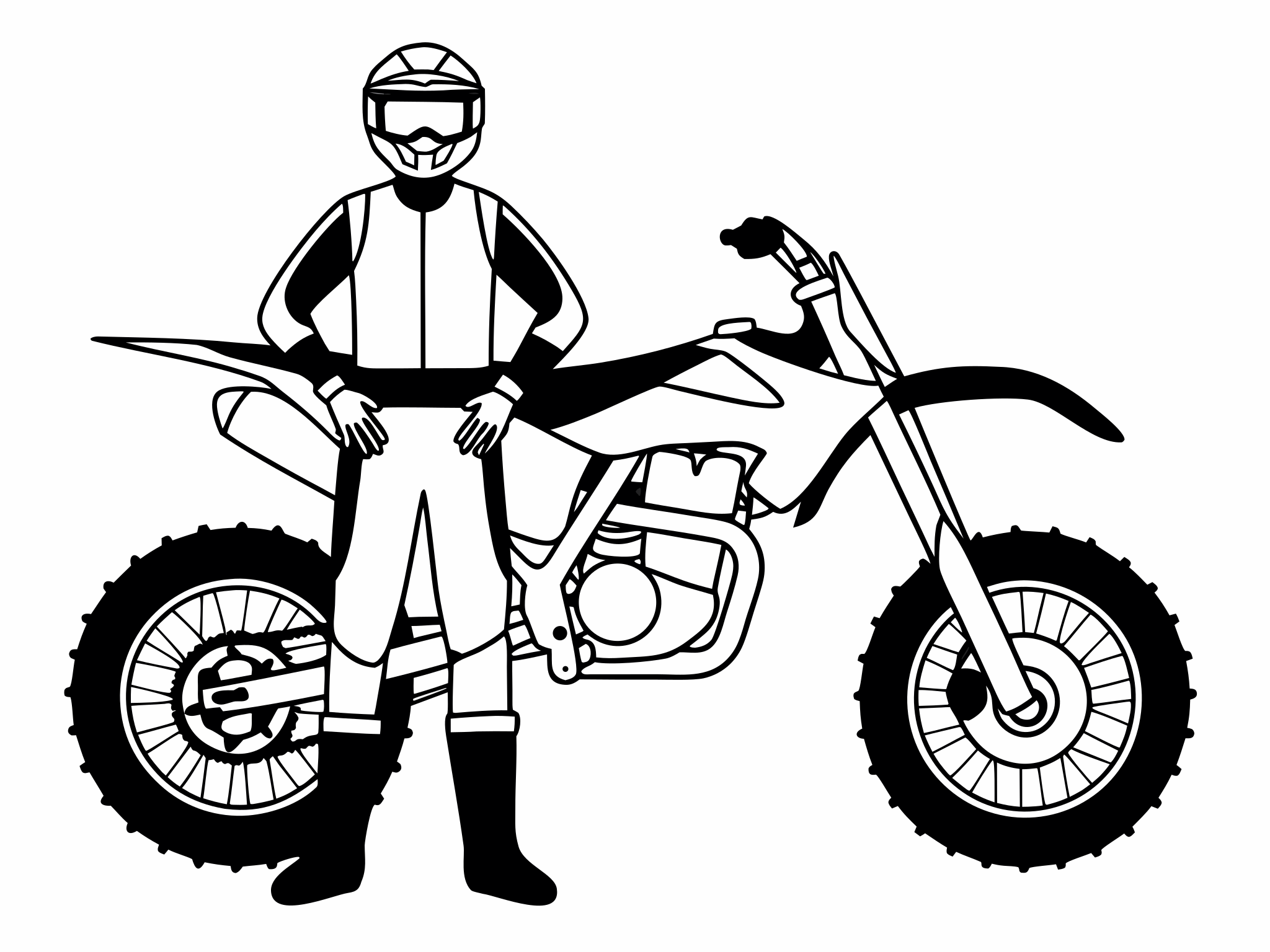
Bike choices that make hard enduro easier
The bike should make slow riding easy. That means smooth low-rev power, low weight and a clutch you can slip without it fading.
- 250 or 300 two-stroke, or a 250 or 350 four-stroke. The 300 two-stroke is the classic hard enduro bike: Graham Jarvis's Husqvarna TE 300i and Wade Young's GasGas EC300, both featured by Enduro21, are examples. A 250 or 350 four-stroke enduro bike also works well, especially if you prefer its engine braking. Choose one with electric start: you will stall on climbs, and kicking a bike on a slope is hard work. Our 300 two-stroke buyer's guide compares the main models, and the two-stroke bikes section lists specs.
- Suspension for your weight. KTM, for example, sets up its 2027 EXC range for a rider of "75 kg … 85 kg" in full kit. The manual says small differences can be handled with preload, "but in the case of large weight differences, the springs must be replaced". The bike setup page covers sag.
- Gearing and cooling. Lower gearing lets you ride slow sections without slipping the clutch as much. Enduro21's Erzberg test bike ran "12-52 for all the low gear riding". Slow riding makes heat: Jarvis's mechanic told Enduro21 his race bike ran a "cooling fan". The gearing guide explains sprocket choices.
- Buy for the rider you are. Choose a bike you can pick up, push and control when you're tired. You can always move up.
Protect the bike, too
Bike damage ends rides far from home. Enduro21's Erzberg test bike carried wraparound handguards, radiator braces, a swingarm guard and a sump guard with a linkage protector. Radiator braces also need to keep the air moving: "You need maximum air flow for all the hours spent in the trees at Erzberg." In our view, the essentials for a beginner are:
- Wraparound handguards. They save levers and hands.
- Rear disc guard and chain guide. They save the brakes and chain.
- Skid plate (bash plate), if your bike has none. Some come with one: Yamaha's WR250F has a "rugged plastic skid plate".
- Folding or flexible levers, plus a spare lever. Enduro21's pro setup guide notes that "frame rails are a great place to house spare levers."
Radiator guards, mainly for extreme riding, and the rest come next. See enduro bike protection: what to fit first.
Protection with purpose
Put your money where hard enduro riders actually get hurt. Studies of enduro riders put knees, collarbones, hands, shoulders and ankles at the top of the injury list (see the safety overview). Start with the helmet anyway: it's the one piece of kit that protects your brain.
In Europe, body armour, boots and gloves are personal protective equipment under Regulation (EU) 2016/425, which requires the CE marking to be "affixed visibly, legibly and indelibly". Helmets are the exception: they're approved under UN Regulation No. 22 instead. The labels below tell you which standard a product meets. Always check the label inside the product, not just the marketing.
The FIM's 2026 technical rules for its enduro and hard enduro world championships are a useful benchmark for what serious off-road racing requires. They make a back protector and a chest protector compulsory, require boots at least 30 cm tall, and require gloves.
What the labels mean
The standards that apply to hard enduro protection, and what to look for.
| Item | Standard | What to look for |
|---|---|---|
| Helmet | UN ECE 22.06 (Europe and many other countries); FMVSS 218 "DOT" (USA); FIM FRHPhe-02 for FIM racing | An approval label whose number starts with "06", and a "P" type for a full-face helmet with a chin guard. In the US, the DOT label reading "FMVSS No. 218" and "CERTIFIED". |
| Back protector | EN 1621-2 | Level 1 or Level 2, and the coverage type: "FB" (full back), "CB" (central back) or "LB" (lower back only). The FIM accepts only FB or CB for racing. |
| Chest protector | EN 1621-3 | Level 1 (softer) or Level 2 (more rigid, also spreads the force). The FIM does not accept protectors certified only to EN 14021. |
| Knee, elbow, shoulder protectors | EN 1621-1 | Level 1 or 2 on the label. To pass, a protector must keep the average transmitted force below 35 kN. |
| Boots | EN 13634 | Four ratings (upper height, impact abrasion, impact cut, transverse rigidity), each level 1 or 2. |
| Gloves | EN 13594 | Level 1 or 2. Level 2 requires knuckle impact protection. |
| Riding garments | EN 17092 (classes AAA to C) | EN 17092-4, for example, "applies to protective garments for motorcycle on-road". For off-road racing, the FIM requires separate EN 1621 chest and back protectors instead. |
Swipe the table sideways to see every column.
Helmets: ECE 22.06 and fit
ECE 22.06 is the current series of UN Regulation No. 22, in force since 3 January 2021. It added a limit on rotational acceleration in oblique impacts ("shall not exceed 10,400 rad/s²"), plus extra impact tests at a higher speed (8.2 m/s) and a lower one (6.0 m/s) alongside the standard 7.5 m/s. The approval number's "first two digits (at present 06)" show the series. SHARP, the UK government's helmet safety scheme, noted in 2024 that 22.05 helmets "will still be available in shops". Where you have the choice, buy 22.06.
In the US, the legal standard is FMVSS 218, marked DOT. For racing, the FIM's own helmet homologation, FRHPhe-02, covers "Motocross, Enduro, Speedway and Cross-Country". The FIM's 2026 technical rules for its enduro and hard enduro championships state that FRHPhe-02 helmets "will be mandatory as from 01/01/2026".
Fit beats features. A helmet should sit snug all round without pressure points, not rock on your head, and not roll off when pulled from the back with the strap done up. The FIM's own helmet check at races tests the same thing: it must not be possible "to pull the helmet over the rider's head by pulling it from the back".
Replace it after a hard hit. SHARP's advice: "If a helmet has fallen onto a hard surface, it should be replaced as soon as possible." It adds that manufacturers recommend replacement "after 3 to 5 years", and warns: "Do not pass your old helmet on." Never buy a used helmet.
Knees, chest, back, boots and hands
Knee protection. Knees are the most injured joint in enduro, so they deserve serious protection. Pads (EN 1621-1) absorb impacts. Braces also aim to limit harmful twisting and bending. An online survey of 2,115 off-road riders, published in the American Journal of Sports Medicine in 2011, found riders without braces had significantly more knee injuries (3.675 vs 1.587 per 1,000 rider hours), including more ACL ruptures and MCL injuries. The authors concluded that bracing "appears to have a beneficial effect". It's survey data, not a controlled trial, and riders chose for themselves whether to wear braces. Whichever you choose, it must fit and stay in place. Details are in the knee protection guide.
Chest and back. EN 1621-2 back protectors are rated by the force they let through: Level 1 "≤ 18 kN" average, Level 2 "≤ 9 kN". EN 1621-3 chest protectors come in Level 1, "soft protectors", and Level 2, "more rigid protectors" that also spread the impact. The standard itself notes Level 2 protectors "can be heavier and have restriction penalties". Both levels have the same force limit; Level 2 must also pass a force-distribution test, and the standard says it gives "improved protection". Level 1 meets the FIM's rules for world championship racing. Choose the level you'll wear every ride. See the chest protector guide.
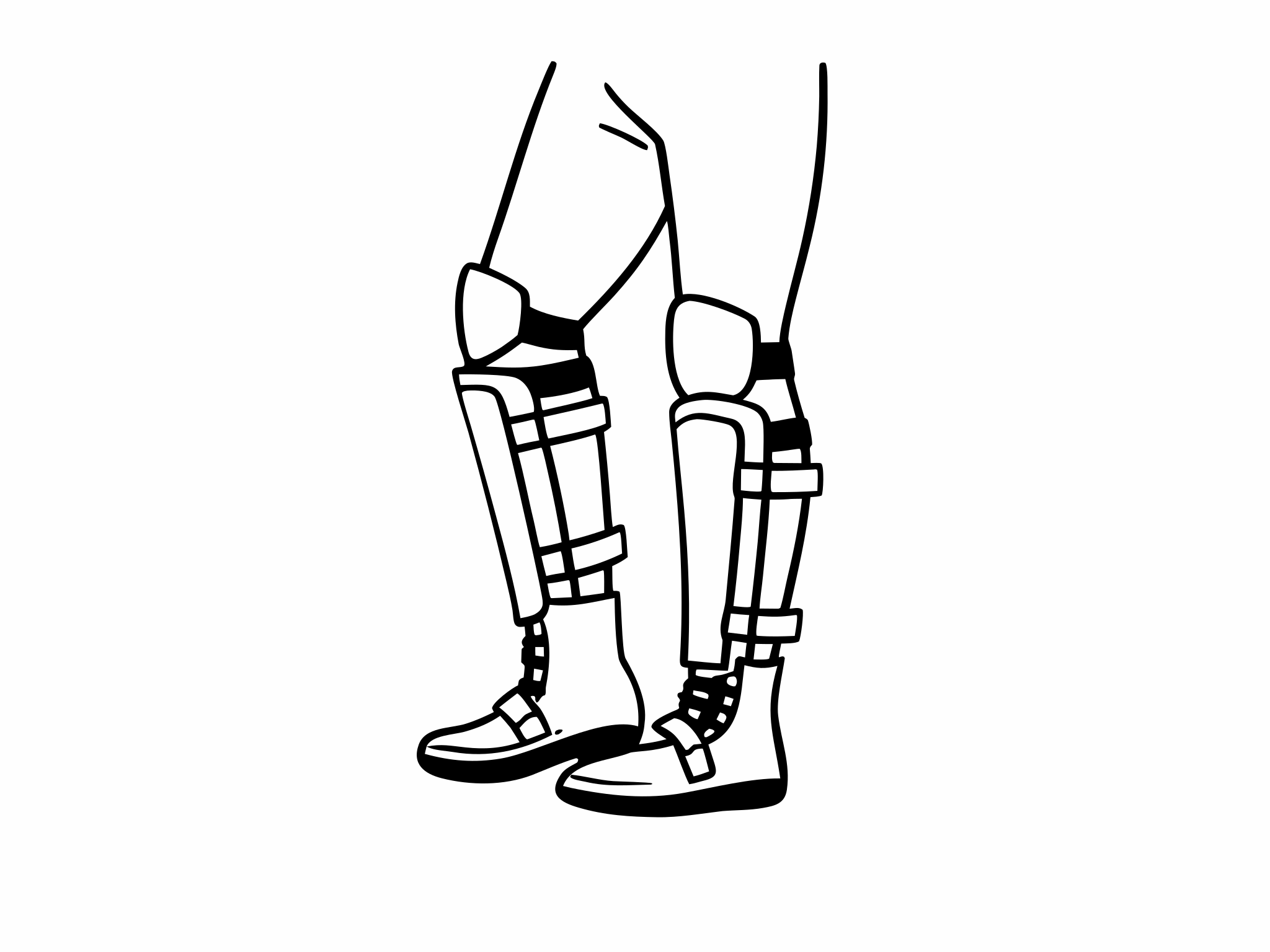
Boots. Tall motocross boots protect ankles, shins and feet, and hard enduro puts your feet among rocks all day. EN 13634 covers motorcycle boots "for on or off road activities" and rates them on upper height, impact abrasion, impact cut and transverse rigidity (resistance to crushing). Look for an enduro sole for grip when you're pushing the bike. See boots.
Gloves and elbows. EN 13594 gloves come in Level 1 and Level 2. Level 2 needs knuckle impact protection. The FIM's racing rules only require gloves "made of leather or other materials having equivalent properties", not an EN 13594 rating. Handguards on the bike protect the knuckles from rocks and trees. Elbow guards help in rocky terrain.
Neck braces are optional. Fit them with your helmet and chest protector, and note the FIM bans them with airbag vests. See neck braces.
What to carry and why
Carry fixes that keep you moving and kit that keeps you safe while you wait. Mount what you can on the bike: Enduro21's pro setup guide notes that carrying spares on your back "adds additional weight to your shoulders and back, tiring you out quicker".
| Carry | Why |
|---|---|
| Multi-tool or small tool roll with the sizes your bike uses | Tightening levers, bars and loose bolts. |
| Spare clutch and brake lever | Levers snap in tip-overs. A spare gets you home. |
| Chain link, zip ties, strong tape, tyre repair kit if you run tubes | Fixes that get you home. |
| Spare spark plug (two-stroke) | A fouled plug stops the engine. |
| Tow strap or short rope | Pulling a bike up a climb, or towing it out. |
| First-aid kit and emergency blanket | What the first-aid page needs you to have. |
| Charged phone, whistle, satellite SOS if you ride out of signal | Calling for help. See the safety overview. |
| Water and food for longer than you plan to ride | Running dry leads to heat illness and poor decisions. |
Where to practise
Start in open space, then gentle slopes, then easy single-track. Stay away from traffic and ride only where you're allowed to. Bring a riding partner: KTM's owner's manual recommends that "when off-road" you be "accompanied by another person with another vehicle so that you can help each other". It also advises new owners to get used to the bike "on suitable terrain before undertaking a more challenging ride" and to "ride as slowly as possible and in a standing position".
Flat ground is where the fundamentals are built. Work through Controls 101 there before you take on the hills.
Common beginner gear mistakes
Buying a second-hand helmet, or keeping one that's been dropped.
Fix: You can't see damage to the liner. Buy new, and replace after any hard impact.
Short or trail-style boots.
Fix: Hard enduro is rocks and fallen bikes. Tall motocross boots protect the ankle and shin. The FIM requires at least 30 cm for racing.
Protection that's too hot or stiff to wear all day.
Fix: Kit left in the van protects nothing. Choose what you'll actually wear on a hot, slow day, and wear it every time.
Spending on bike parts before protection.
Fix: Helmet, boots, knees and body armour first. Then handguards, a rear disc guard and a chain guide. Performance parts last.
Carrying everything in a heavy backpack.
Fix: Mount spares on the bike and keep the pack for water, first aid and food.
Beginner bike and gear questions
Is an ECE 22.05 helmet still safe?
It met the standard of its time, and SHARP noted in 2024 that 22.05 helmets were still on sale. ECE 22.06 adds rotational-acceleration and extra impact tests, so buy 22.06 when you replace a helmet. Replace any helmet after a hard hit.
What's the best beginner bike for hard enduro?
A 250 or 300 two-stroke enduro bike is the most common choice. A 250 or 350 four-stroke also works well. Get the suspension set for your weight and fit lower gearing. The buyer's guide compares models.
All lessons in Safety & Setup
Related lessons and guides
- Hard enduro helmetsChoosing a helmet for long technical days.
- Knee protectionBraces versus pads, fit and retention.
- BootsProtection and grip for pushing and paddling.
- 300 two-stroke buyer's guideThe most common hard enduro bike, compared.
- Bike setup and maintenanceSag, controls, tyres and pre-ride checks.
- Start hereThe full training path, in order.